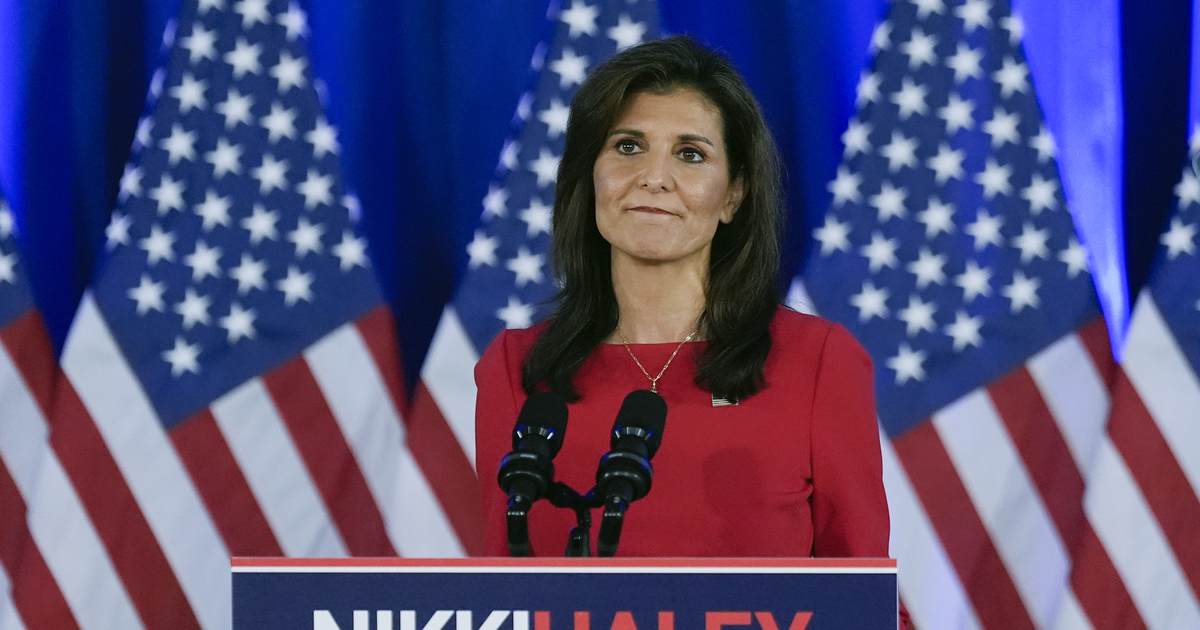
Nikki Haley urged a targeted special forces operation to remove Iran’s enriched uranium, arguing that degrading missiles and drones isn’t enough if Tehran keeps the material that could fuel a bomb.
Former U.N. ambassador Nikki Haley told CNN that U.S. special operations should physically extract Iran’s enriched uranium to stop Tehran from advancing a nuclear weapons program. She argued this is a precise, achievable mission that addresses the core nuclear threat left behind by limited strikes. The idea is framed as a focused step to deny Iran the critical ingredient for a bomb, not a broader occupation.
On State of the Union with Dana Bash, Haley said U.S. and Israeli forces have already degraded Iran’s missile, drone, and naval capabilities during the conflict, but she emphasized the uranium stockpile remains. That stockpile, much of it reportedly stored in underground tunnels, is the real showstopper for any Iranian nuclear ambitions. In her view, removing it would close the door to a quick breakout toward a weapon.
“I think that’s probably what it’s going to come down to. I mean, this is a special force mission. It would take about a week to 10 days to get done. They know how to do it,” she said. Those precise timelines underline the point that this is a tactical operation for trained teams, not a protracted conventional campaign. Haley framed it as surgical and time-limited, with clear strategic payoff.
She also noted the political compact behind the idea: Trump “said that he doesn’t want Iran to have a nuclear weapon. But keep in mind, the Gulf allies have said, we don’t want Iran to have a nuclear weapon. They are pushing to continue this coalition with the United States to make sure that doesn’t happen. And I think they are going to have to extract that uranium to make sure that it doesn’t happen.” That coalition pressure matters because regional partners are the most exposed to any nuclear-capable Iran.
U.S. and Israeli planners have reportedly discussed deploying special operations to reach buried caches, and many analysts note the technical feasibility of short, high-intensity raids on underground facilities. These are not hypothetical moonshots; elite units train for the exact kind of rapid infiltration, seizure, and exfiltration Haley described. The core hurdle is political will, and that is where Haley put the emphasis: leaders must choose to act decisively.
Nikki Haley calls on President Trump to send troops to "extract" Iran's uranium.
"This is about what do you do to make sure Iran is no longer a national security threat to Americans?" pic.twitter.com/bQaL1u4OX8
— Jeff Charles, Asker of Questions🏴 (@jeffcharlesjr) April 13, 2026
The standoff ratcheted up when the White House moved to block shipping through the Strait of Hormuz after Tehran curtailed much of the traffic itself. Cutting off sea traffic to and from Iranian ports aims to squeeze the regime’s revenue streams and limit its ability to sustain long-term military projects. That economic pressure is meant to complement military options and force Iran into a weaker negotiating posture.
Iran’s Islamic Revolutionary Guard Corps warned it would regard any military vessel approaching the strait as a breach of a ceasefire and said such moves would be met with force. Those warnings make clear that any ground or maritime operation carries risk, and commanders must weigh that risk against the immediate danger of leaving enriched uranium in place. From a Republican viewpoint, the calculus favors bold action when vital national security interests and regional partners’ safety are on the line.
Reports indicate the Trump administration is weighing whether to place U.S. troops on Iranian soil for this purpose, recognizing the mission could keep personnel inside the country for days or longer if missions encounter complications. That uncertainty is part of the debate, but supporters argue that a short, focused special operations raid minimizes long-term exposure compared with open-ended conflict. The alternative—allowing Iran to keep key materials—would create a far greater, long-term strategic threat.
Haley framed her recommendation not as warmongering but as practical denial of capabilities that matter most: the material needed to build a weapon. She argued the United States and its Gulf partners must enforce the red line on nuclear weapons capacity, and that means pairing economic pressure, coalition-building, and surgical military options. For those who prioritize preventing nuclear proliferation, a targeted extraction mission presents a clear, tangible way forward without committing to occupation or nation-building.