An Illinois woman who publicly claimed she was detained by ICE at O’Hare and moved to Wisconsin is now facing a $1 million defamation suit after authorities say those claims were fabricated, and a Dodge County sheriff has gone to court to seek damages and clear his office’s name.
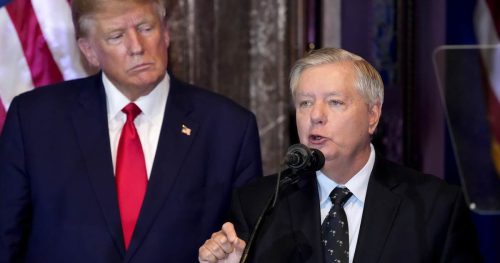
The case centers on Sundas “Sunny” Naqvi and a March 7 claim that she was detained by ICE upon return from Turkey and later transferred to a Dodge County facility. Her family said ICE could not locate her despite phone data that allegedly showed she was at an ICE detention center. Those public allegations sparked attention and political support, including a high-profile press conference.
Investigators say the story did not hold up. Naqvi was never detained by ICE and was not transferred to Wisconsin, according to the Dodge County Sheriff, who says his office was falsely accused. After reviewing records and cellphone logs, officials say the timeline and locations point to a different reality than what was broadcast.
Local law enforcement and the sheriff’s office moved from denials to action when the allegations continued to spread. The Dodge County Sheriff has filed a civil suit seeking $1 million in damages for what he calls a harmful, false campaign against his agency. The suit names Naqvi and also includes a Cook County official who publicly backed her.
ICE detain U.S. citizen in Chicago—then tell family they don't know where she is.
Agents told woman's sister she was not at detention center—even though her phone location says she is.
"You have U.S. citizens being detained and you've got police choosing to not do their jobs,"… pic.twitter.com/iWxJ7zVNRF
— LongTime🤓FirstTime👨💻 (@LongTimeHistory) March 7, 2026
“Sundas Naqvi was not detained by ICE at any time,” Sheriff Dale Schmidt said. “She was not transported to Broadview detention facility. She was not transported across state lines to Dodge County by law enforcement, anyway. She was not in the custody of the Dodge County Sheriff’s office.”
Sheriff Schmidt alleges Naqvi staged parts of the episode to make it seem like she had been held by federal authorities, and he says travel records show she stayed at a Rosemont hotel near O’Hare. Authorities claim she sent messages from that hotel while asserting she was in custody, which contradicts her public statements. That pattern prompted the sheriff to pursue a defamation case to protect his office’s reputation.
Schmidt’s filing points to earlier behavior as part of the context. In 2019, Naqvi reported a sexual assault to Skokie police that was later deemed false; she received two years of probation before that charge was dismissed. The sheriff’s complaint argues that repeated false reports suggest an established pattern that caused real harm when repeated on a larger stage.
“Travel from the Hampton Inn and Suites in Illinois to the Holiday Inn Express in Beaver Dam was done to complete this hoax,” Schmidt said. “She scammed a victim out of thousands of dollars in pursuit of this hoax against the federal government and the Dodge County Sheriff’s office.”
Beyond the civil suit, the sheriff says no Wisconsin crimes occurred, so criminal charges are unlikely under current law. Still, he insists accountability matters when false claims target law enforcement and federal agencies that enforce immigration laws. The case also raises questions about the consequences when political allies amplify unverified accusations without checking facts.
This story landed in the middle of a politically charged environment, with local officials and activists quickly taking sides. From a conservative viewpoint, that rush to judgment underscores why credible evidence matters before elevating claims that can damage reputations and undermine enforcement. The legal fight now underway will test whether civil remedies can deter future false allegations aimed at law enforcement and federal agents.