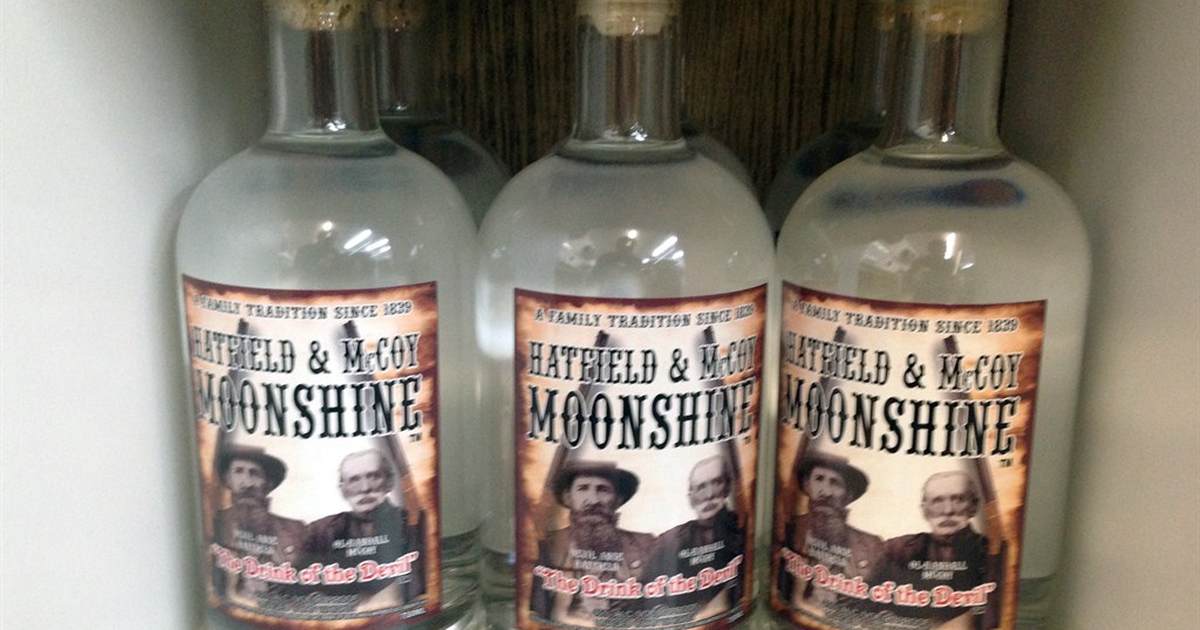
The Fifth Circuit overturned a 158-year-old federal ban on home distilling, siding with hobbyists who argued Congress exceeded its taxing power by criminalizing the private production of spirits in the home.
The New Orleans-based Fifth Circuit Court of Appeals handed down a ruling that throws out a federal prohibition dating to 1868, finding that the statute went beyond legitimate tax authority and trampled private liberty. The case was brought by the Hobby Distillers Association and four individuals who simply wanted to make spirits at home for personal use. The decision reads like a rebuke of expansive federal reach into ordinary, peaceful household activities.
The old law did more than set rules; it forbade having a distilled spirits plant inside a residence, an attached shed, a yard, or any enclosure connected to a home. Violators faced criminal penalties of up to five years behind bars and fines reaching $10,000, a harsh punishment for what many see as a harmless hobby. That sort of heavy-handed treatment of private conduct is exactly what critics call nanny-state overreach.
The statute’s origin is straightforward: Congress enacted it in 1868 to protect federal excise-tax revenue on distilled spirits. But the court, led by Judge Edith Jones, held that the law did more than protect revenue; it foreclosed the very creation of the taxable product. “Not only do they prohibit at-home distilleries, but in so doing, they amount to an anti-revenue provision that prevents distilled spirits from coming into existence.”
At the heart of the litigation was a simple constitutional question about limits on congressional power. The plaintiffs accepted that Congress can tax distilled spirits, but they argued Congress cannot wield its taxing authority as a blunt instrument to erase peaceful, private activity before any tax event occurs. That distinction—between taxing an existing thing and using tax power to ban creation—was central to the court’s reasoning.
Boys It's finally legal to come out of the woods, pines and mountain
Yesterday, The New Orleans 5th Circuit of Appeals ruled in favor of 1,300 members of the Hobby Distillers Association saying that the 158yo federal ban on home distilleries is unconstitutional and is an… pic.twitter.com/AiEuc2D0ch— maxxhazzard (@maxxhazard) April 11, 2026
The government countered that home distilling could cloak taxable activity, make it easier to hide alcohol strength, and thus hinder enforcement of excise laws. The panel rejected that scare-story logic and emphasized that the statute functioned as a ban rather than a legitimate tax mechanism. “[U]nder the government’s logic, Congress may criminalize nearly any at-home conduct only because it has the possibility of concealing taxable activity,” Jones wrote in her opinion.
This decision matters beyond spirits. It reinforces the principle that federal power has limits and that taxing authority cannot be stretched into a license for sweeping prohibition. From a conservative perspective, protecting private space from federal intrusion is core to liberty and to a proper understanding of the Constitution’s separation of powers.
For hobbyists and people who prize personal freedom, the ruling is a practical win. If someone wants to make spirits for personal consumption and not for sale, the federal government can no longer use the tax code as a pretext to criminalize that private choice. To put it simply, if a guy wants to make his own whiskey, it should be none of the government’s business.
It’s important to note the scope of the court’s judgment: it applies to the federal statute at issue and constrains federal authority, but it does not strip states or localities of their own regulatory powers. State law can still impose licensing, safety, or other requirements on distilling inside their borders. That means the practical landscape will vary depending on where a hobbyist lives.
The ruling sets a precedent that could check similar federal efforts to convert taxing power into blanket bans on private conduct. For conservatives who want a lean federal government and robust personal freedom, decisions like this are reminders that constitutional limits can protect ordinary Americans from overreach. This is not about lawbreaking; it’s about preserving space for lawful, private choice against bureaucratic expansion.