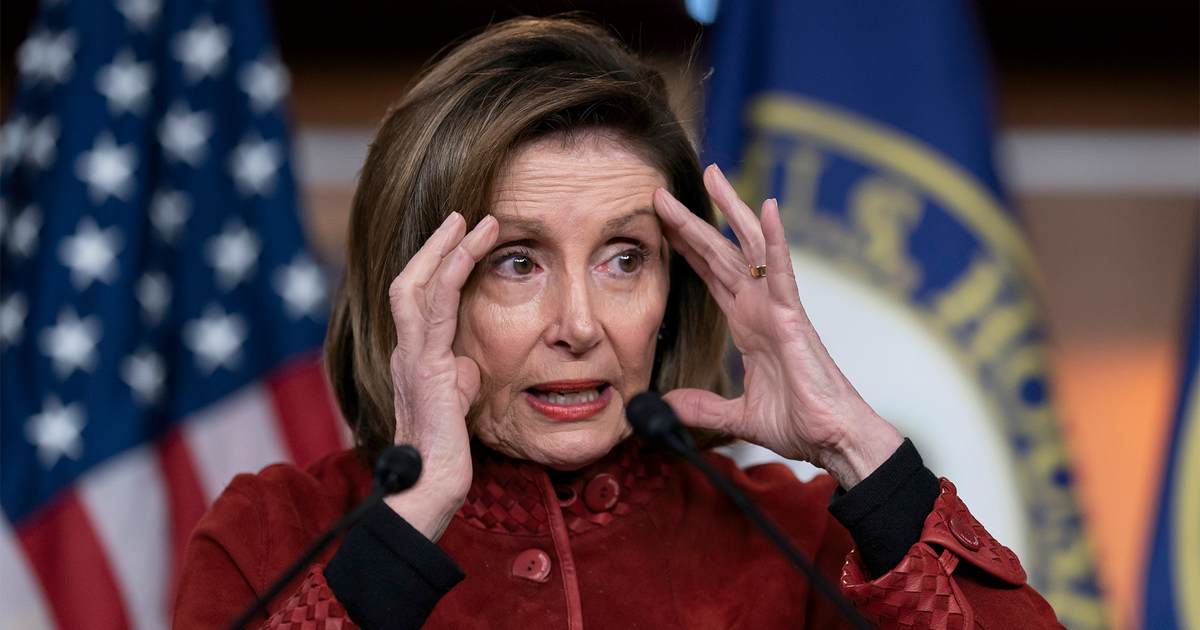
Nancy Pelosi says she had no knowledge of the serious allegations against Rep. Eric Swalwell, but the claims, the timeline, and the involvement of prosecutors make that denial hard to accept.
Pelosi’s public statement of ignorance landed like a punch line for anyone tracking the story closely. From a Republican perspective, the reaction is straightforward: when allegations include multiple accusers and a criminal probe, leadership owes more than a flat denial.
One former staffer says she was assaulted twice, once while working for Swalwell in 2019 and again at a 2024 charity event in New York City, which helped draw Manhattan prosecutors into the matter. Those details change this from gossip into a set of allegations that demand investigation, not polite distance. The presence of multiple accounts across years raises questions about what the congressional leadership knew and when they knew it.
When a journalist asked Pelosi whether she had known about the accusations, she said she did not. That denial followed coverage in the national press and a string of public accusations, so the timing looks off to many observers.
A flustered Nancy Pelosi denies that Democrats knew what Swalwell was doing and turned a blind eye:
Pelosi: “Absolutely not true."
Interviewer: "You had no idea?"
Pelosi: “None whatsoever."
Sure thing, Nance. pic.twitter.com/MmVHf3Wt3x
— Western Lensman (@WesternLensman) April 14, 2026
Former House Speaker Nancy Pelosi denied having any knowledge of sexual misconduct and rape accusations against Rep. Eric Swalwell, D-Calif., after four women came forward.
Swalwell announced on Monday his plans to resign from the House amid a looming expulsion vote threat.
When asked by journalist Frank Sesno whether she knew about the allegations before bombshell stories came out from CNN and The San Francisco Chronicle over the weekend, Pelosi replied: “I had none whatsoever.”
[…]
She admitted Swalwell’s resignation announcement Monday was a “smart decision” and the “right thing to do” after a wave of sexual harassment allegations threatened to force his ouster in Congress.
Four women have accused Swalwell of sexual misconduct, including one former staffer who alleges the congressman raped her when she was too intoxicated to consent.
The quoted exchange is preserved exactly because it lays out the key public answers and the contours of the fallout: resignation, multiple accusers, and a brewing expulsion fight. From a Republican point of view, the question is simple: why was information about alleged misconduct not escalated earlier, and why does leadership now claim ignorance? The public deserves clarity about the internal processes that were taken, or not taken, when allegations first surfaced.
Reports say another woman came forward yesterday alleging a brutal rape in 2018, and Swalwell left Congress later that afternoon. He had already stepped away from the California governor’s race after dropping from frontrunner status, but the quick resignation from the House is a new chapter.
That sequence suggests pressure from multiple angles: public accusation, media attention, and legal scrutiny combined to produce a rapid exit. Republicans argue that this is evidence of failures in party oversight and a reluctance among some Democratic leaders to confront misconduct within their ranks until it becomes dangerous politically. The pattern fuels a broader narrative about accountability being applied selectively.
There are real policy consequences here, beyond personalities and headlines, because trust in institutions erodes when leaders appear to protect insiders. Voters want transparent investigations and consistent standards, regardless of party. The latest developments only deepen the demand that Congress and local prosecutors follow the facts where they lead, with no soft treatment for the well connected.