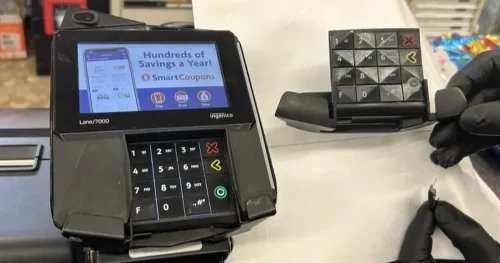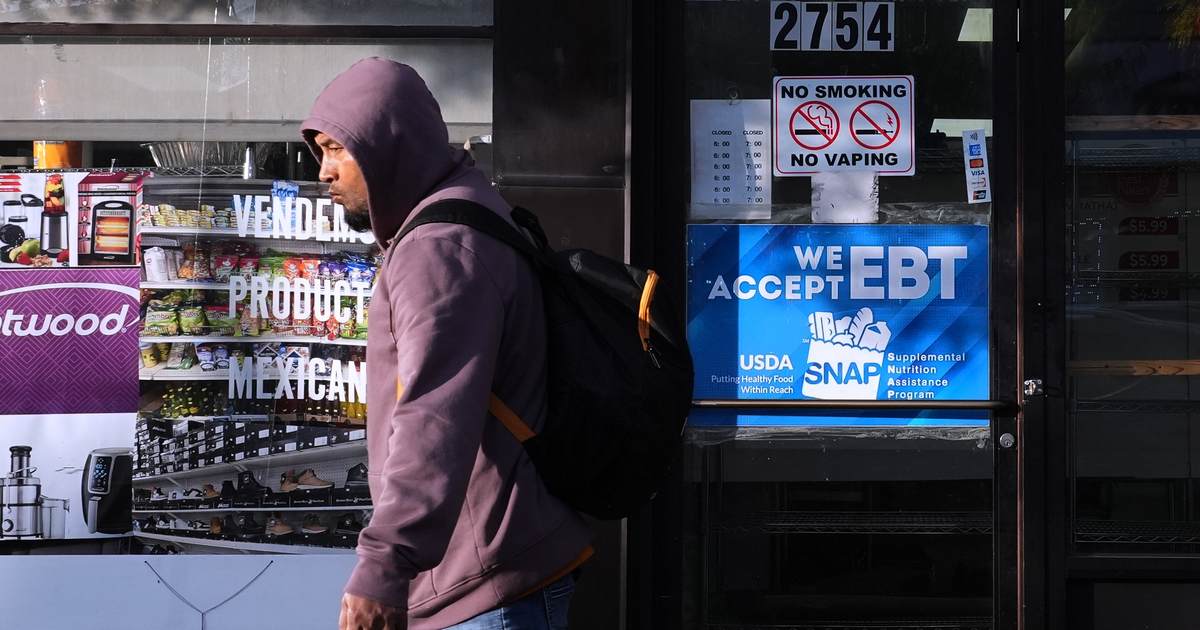
Federal agents executed criminal search warrants at multiple Twin Cities retailers in Operation Cold SNAP, a coordinated effort that targeted alleged trafficking of SNAP benefits and other program violations.
Special agents from the U.S. Department of Agriculture Office of Inspector General and Homeland Security Investigations carried out the searches on Thursday at several Supplemental Nutrition Assistance Program retail locations across the Twin Cities. The operation focused on authorized SNAP retailers suspected of converting benefits into cash or other ineligible items. Investigators worked to collect evidence and identify criminal activity tied to program abuse.
The multiagency effort, called Operation Cold SNAP, paired the USDA Food and Nutrition Service with the U.S. Attorney’s Office and other federal partners to trace unlawful retailer behavior. Analysts and investigators used administrative and criminal tools together to disrupt trafficking networks and halt profit schemes that exploit the program. Officials emphasized the combined approach to remove incentives for wrongdoing and protect program integrity.
The operation relied on a mix of analytical, law enforcement, investigative, administrative, and prosecutorial resources to deny retail stores the chance to profit from SNAP beneficiaries. Law enforcement agents also served administrative charging letters from FNS while executing criminal warrants, aiming to address violations on multiple fronts. Those administrative actions can lead to program disqualifications or other penalties if the charges are proven.
About 42 million people nationwide depend on SNAP for nutrition assistance, and the agencies noted that protecting benefits from fraud directly affects vulnerable families and taxpayer dollars. Evidence seized during the searches was referred to federal prosecutors for potential criminal charges and further legal action. The result of those referrals will determine whether retailers face prosecution in addition to administrative sanctions.
Special agents from the USDA Office of Inspector General and Homeland Security Investigations executed criminal search warrants at multiple SNAP retail locations today in the Twin Cities as part of Operation Cold SNAP. The law enforcement partners collaborated with USDA’s Food… pic.twitter.com/OmSDumm1pw
— USDA OIG (@OIGUSDA) April 16, 2026
According to agency accounts, personal service was made on 20 separate retailers with administrative charging letters the same day criminal warrants were executed. If found guilty of trafficking or other violations, those retailers could be removed from the program or face fines and disqualification. Officials described the coordinated timing as intended to limit the opportunity for evidence to disappear and to ensure accountability across cases.
SNAP trafficking is defined as exchanging SNAP benefits for cash or ineligible goods, a crime that undermines the program’s purpose and harms recipients. Authorities said the operation sought to ensure benefits remain available to the families who rely on them by removing dishonest vendors from the system. The agencies also framed the work as protecting taxpayers who fund federal nutrition assistance.
USDA Inspector General John Walk and senior OIG leadership attended a pre-operation briefing, where they thanked agents and partners for their role in the takedowns. “Today’s successful takedowns of SNAP traffickers and program violators at more than 20 retail locations across the Twin Cities demonstrates the effectiveness of fraud prevention when federal partners work together to leverage resources against those who reprehensibly exploit the needy to enrich themselves,” Walk said. “Fraudulent SNAP retailers steal from victims that include children who rely on federal nutrition assistance and dishonor the charity of American taxpayers who fund the assistance. OIG will continue to work hand-in-hand with federal law enforcement partners and agencies across the government in the war on fraud and hold criminals to account.”
Walk also praised the collaborative effort in a separate statement, saying, “I commend our OIG special agents, HSI, FNS, and the U.S. Attorney’s office for their invaluable work and collaboration in this operation to stop the fraud and hold those criminally responsible to account.” That recognition underscored the agencies’ view that coordinated federal action is essential to tackle a problem that crosses investigative and administrative lines. Officials reiterated their intent to pursue both civil and criminal remedies as warranted.
Those with information about potential SNAP trafficking were directed to established reporting channels maintained by oversight offices and enforcement partners. The agencies reiterated that community tips help direct investigative resources and support ongoing efforts to root out abuse. Federal officials continue to stress prevention, enforcement, and partnership as the pillars of protecting nutrition assistance programs.