Colorado’s recent push to regulate gun dealers adds new layers of control that threaten access, raise costs, and expand state reach into firearms transactions while sparking fierce objections from Republican lawmakers and gun rights advocates.
The Second Amendment protects the right to keep and bear arms, and a practical consequence of that protection is the ability to acquire firearms. If acquisition channels are restricted or burdened with expensive requirements, the right to keep and bear becomes hollow for many law-abiding citizens. Colorado’s lawmakers are moving on multiple fronts that make buying a gun harder for everyday people.
What started as an effort to clamp down on homemade firearms has widened into stricter oversight of retailers and private transfers. The latest legislation targets gun dealers with new security standards, mandatory electronic records and steep penalty structures. Those changes look harmless on paper until you dig into the real-world costs and privacy exposure they impose.
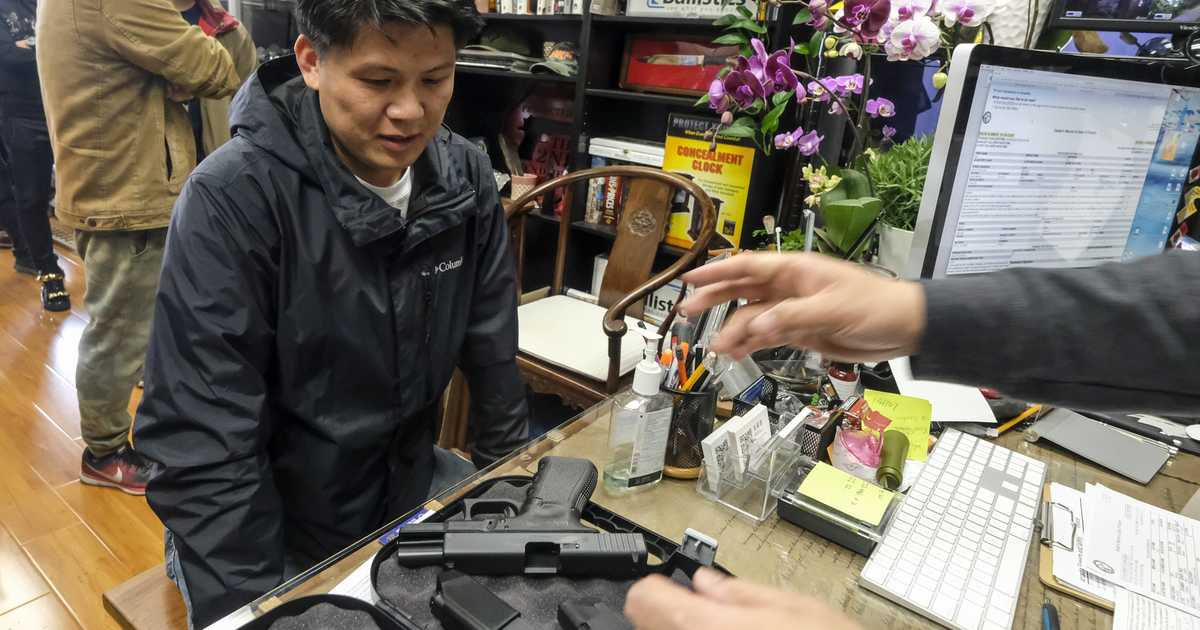
Republicans and small-business owners warned that these measures do more than regulate; they reshape the market in favor of national chains and away from independent shops. Small mom-and-pop dealers operate on thin margins and often handle transfers that larger stores ignore. When compliance expenses and the threat of heavy fines rise, small operators either raise prices, stop selling firearms, or close altogether.
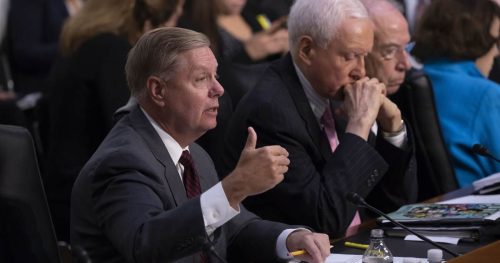
The Colorado Senate on Tuesday gave final approval to a bill adding more regulations to gun stores operating in the state.
House Bill 26-1126, titled “Requirements for Firearms Dealers,” was approved on its third reading in a 20 to 15 vote, sending it to Gov. Jared Polis’ desk to be signed into law.
The bill directs the Department of Revenue to adopt new security rules for gun dealers, which must adopt the measures and submit a plan to the state by Oct. 1 next year. It would also require gun dealers to keep an electronic record of firearm transfers and would allow the state to fine gun dealers up to $75,000 for some violations.
Republicans and gun rights groups argue the legislation is part of a larger effort by Democrats to chip away at Second Amendment rights and make it harder and more expensive to buy firearms. Democrats control both houses of the General Assembly, Colorado’s legislature, and the governor is a Democrat.
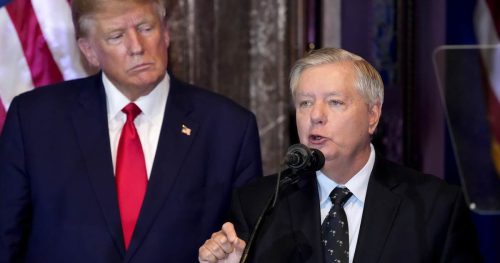
“This bill is presented as a modest dealer regulation,” Sen. Lynda Zamora Wilson, R-El Paso County, said before the bill passed. “It is in fact a multi-pronged assault on the constitutional rights of Colorado’s law-abiding gun owners and the small business owners who serve them.”
“It builds – without using the work[sic] – a functional firearm registry accessible to state agencies without warrant or cause,” she added. “It imposes compliance costs that will drive small dealers out of business and reduce access to lawful firearm purchases.”
That electronic transfer ledger the bill mandates is framed as an administrative convenience, but it functions like a registry with central access points and audit trails. Registries create a single place where sensitive information accumulates, and history shows those repositories are targets for theft or misuse. Creating a record of transfers at the state level invites privacy concerns and real cybersecurity risk for citizens who never asked to be exposed.
Data breaches are not hypothetical. Governments and private firms have repeatedly seen personal information stolen or leaked, and adding firearms transaction records to the mix only multiplies vulnerabilities. Beyond hackers, any program that aggregates detailed transfer records becomes a tool that future officials could exploit, whether through casual access or targeted demands. For gun owners who value privacy, that reality is chilling.
Meanwhile, the policy argument for this approach doesn’t solve the core criminal problem. Most guns used in crimes come from theft, illegal markets, or straw purchases arranged explicitly to evade background checks. Tightening rules for licensed dealers does nothing to stop stolen guns or transactions engineered by criminals. The result is higher compliance burdens for lawful sellers while illegal suppliers operate in the shadows.
That imbalance appears intentional to critics: raise costs and friction for lawful commerce, shrink the network of lawful sellers, and restrict lawful access without confronting the criminal supply. Independent dealers, private sellers, and customary small-scale transfers are the weakest links in this policy chain. Then again, that’s probably the point.