Federal officials will begin processing billion-dollar tariff refunds after the Supreme Court found the President’s Liberation Day tariffs unlawful, triggering orders to remove the duties and return excess collections to affected importers.
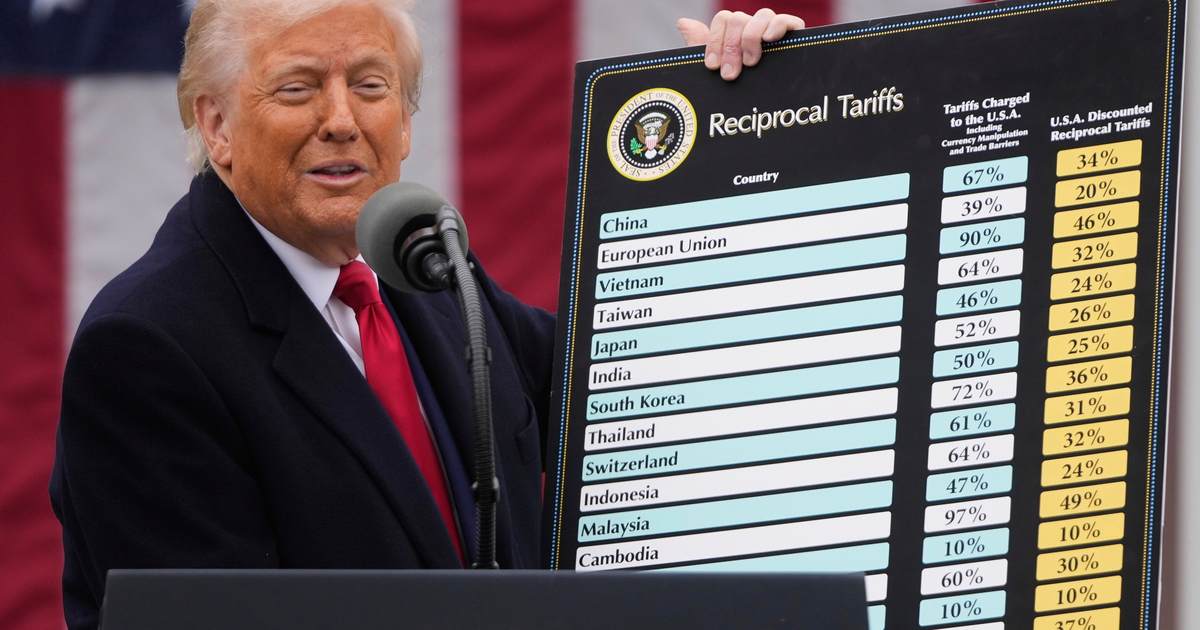
The federal government is starting a major refund program after the Supreme Court struck down the Liberation Day tariffs under the International Emergency Economic Powers Act in February. The decision forced a legal and administrative unwind of a policy that had collected an extraordinary sum in duties. Companies and customs brokers now face a high-stakes administrative task as the government moves to correct what the courts called an improper exercise of executive power.
A judge at the U.S. Court of International Trade ordered Customs and Border Protection to lift the tariffs and repay any excess duties with interest. Court filings show more than 330,000 importers paid tariffs on over 53 million shipments, amounting to more than $166 billion. That scale makes this one of the largest tariff repayment efforts in modern American history, and it will reshape short-term cash flows for businesses that had budgeted around those added costs.
BREAKING: The US Government has begun refunding up to $166 billion in tariffs charged under President Trump after the Supreme Court ruled the policy unlawful.
Beginning today, businesses can file claims through a new customs system.
Over 330,000 importers across 53 million… pic.twitter.com/WVdYIfyrPU
— The Kobeissi Letter (@KobeissiLetter) April 20, 2026
Beginning at 8 p.m. Monday, importers can start submitting refund requests to CBP, according to the timetable released after the court order. Once a claim is approved, officials say repayments should arrive roughly within 60 to 90 days, though that window depends on processing volume and verification steps. Firms should expect a period of back-and-forth as CBP validates entries, duty calculations, and interest amounts before remitting funds.
Because hundreds of thousands of companies are in line for refunds, Treasury and customs officials will roll the repayments out in stages to manage the workload. The initial stage will focus on certain unliquidated entries and on entries made within 80 days of the tariffs’ end, limiting the earliest payout pool. Later phases will expand eligibility and cover older entries, but those follow-on waves will take time to sequence and audit.
Operationally, the phased approach makes sense for a refund effort of this magnitude, but it also means companies cannot expect instant restitution. CBP will have to reconcile duty receipts, identify duplicate claims, and apply statutory interest rules before issuing checks or credits. For firms that fronted working capital to cover tariff bills, the phased calendar will be a major cash-flow consideration through the coming months.
Treasury Secretary Scott Bessent told reporters last week that he is uncertain how the refunds will affect the economy or whether they will ultimately benefit consumers, saying simply, “We’ll have to see.” That cautious assessment reflects real unknowns about where the refunded money flows next, but from a principled standpoint it corrects a policy that extended executive reach into trade decisions. Conservative observers will point to this as a reminder that broad, unilateral tariff moves need clear legal footing and congressional backing.
The $166 billion figure is not abstract. It touches retailers, wholesalers, and manufacturers that import goods ranging from raw materials to finished consumer products. Some companies will see one-time balance-sheet improvements, while others will use repayments to normalize pricing or cover losses they absorbed while tariffs were in place. Still, the administrative lag will mean uneven outcomes across sectors and firms depending on recordkeeping and the timing of each company’s claims.
Legally, the court’s ruling narrows the executive branch’s ability to impose sweeping economic measures under emergency authorities without clearer statutory direction. Practically, it forces federal agencies to unwind an extensive enforcement regime and return taxpayer funds that were collected under a now-invalid policy. Political conservatives who favor clear rules and limited executive action can view this as a necessary check, while businesses simply want predictable trade policy going forward.
Companies preparing for the refund process should assemble accurate customs paperwork and be ready for validation steps that could extend the timeline. Expect CBP to request supporting documents and to prioritize entries that meet the initial eligibility criteria, with broader claim windows added as the agency scales up. This will be an administrative marathon rather than a sprint, and the coming months will show how quickly the government can convert court orders into cash in bank accounts.
Editor’s Note: Thanks to President Trump’s leadership and bold policies, America’s economy is back on track.