Images of an Israeli soldier damaging a statue of Jesus in southern Lebanon sparked outrage, but the Israel Defense Forces moved quickly: the statue was replaced in coordination with local leaders, those involved have faced jail time, and top officials including Prime Minister Benjamin Netanyahu condemned the act and promised accountability.
Photos showing an IDF soldier striking a religious statue circulated widely and triggered a rapid response from Israel’s military and political leadership. Israeli officials emphasized this behavior does not represent the values of the armed forces, and they say the soldiers involved have already been sentenced to jail time. The episode forced a test of discipline, deterrence, and the way a democracy handles misconduct by its troops.
“A short while ago, in full coordination with the local community of Debel in southern Lebanon, the damaged statue was replaced by IDF troops,” the IDF wrote in a statement. “The Northern Command worked to coordinate the replacement of the statue from the moment it received the report of the incident. The IDF expresses deep regret over the incident, and is working to ensure that it does not happen again in the future.”
BREAKING: The Israeli military has sentenced two soldiers to jail for destroying a statue of Jesus.
The punishment was handed down just 72 hours after the incident.
Good on the IDF for swift action.
— Eyal Yakoby (@EYakoby) April 21, 2026
That public statement and the swift action to restore the statue were meant to show muscle and responsibility at the same time, signaling that the military can both project force and enforce standards at home. Israeli officials confirmed the photo was authentic and moved to condemn the conduct decisively. The speed of the response speaks to how seriously the government treated damage to religious property, especially when it risks inflaming regional tensions.
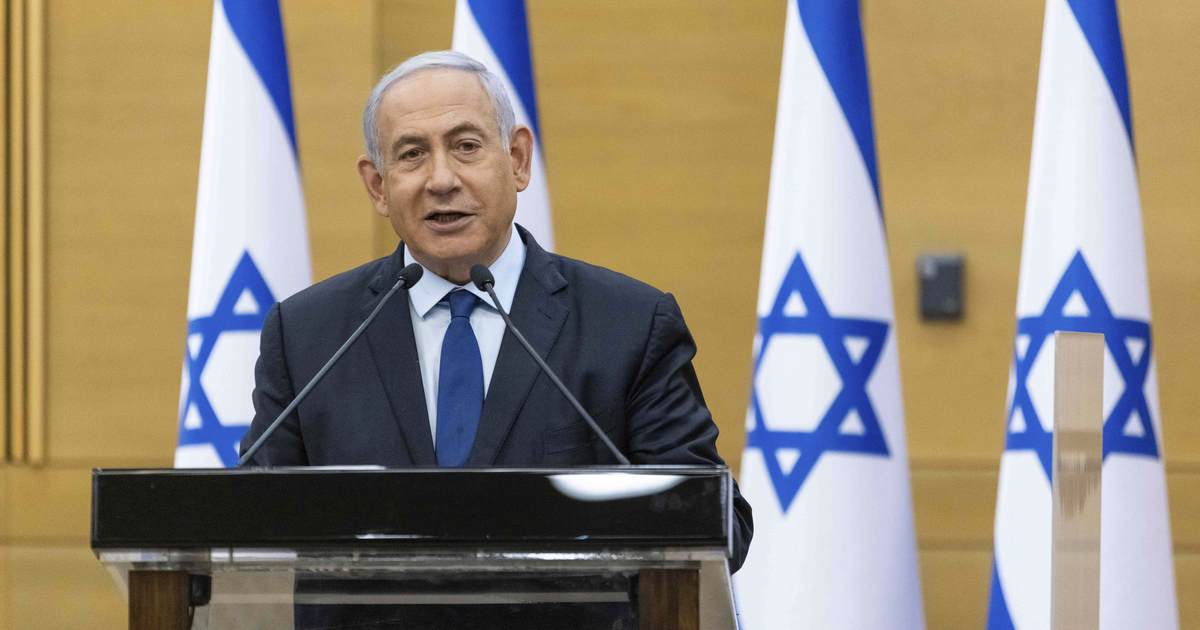
“As the Jewish state, Israel cherishes and upholds the Jewish values of tolerance and mutual respect between Jews and worshippers of all faiths. All religions flourish in our land and we view members of all faiths as equals in building our society and region,” Netanyahu wrote in a statement.
“Yesterday, like the overwhelming majority of Israelis, I was stunned and saddened to learn that an IDF soldier damaged a Catholic religious icon in southern Lebanon,” he said. “I condemn the act in the strongest terms. Military authorities are conducting a criminal probe of the matter and will take appropriately harsh disciplinary action against the offender.”
From a Republican-leaning perspective, the response checks the right boxes: hold individuals accountable, show respect for religious liberty, and avoid escalation that could undercut broader security goals. Accountability in uniform preserves the moral authority of the institution and ensures that Israel’s defenders remain aligned with democratic norms. When a military enforces standards internally, it bolsters international credibility and reassures minority communities.
The replacement of the statue in coordination with Debel’s local community also matters practically. It signals a willingness to repair harm and maintain working lines with civilians across borders, a necessary posture in a volatile neighborhood. Quick remediation helps prevent propaganda victories for hostile actors who would exploit any sign of disrespect toward religious symbols.
There’s also a lessons-learned angle for military leadership. Commanders must ensure troops understand rules of engagement and cultural sensitivities, and they must back discipline with clear, consistent consequences. Public trust in the armed forces depends on visible enforcement when standards are violated, and this episode became a live test of Israel’s mechanisms for corrective action.
Politically, the handling of the incident gives Israel leverage to defend its record on religious freedom in the region while addressing a real lapse in soldier conduct. Netanyahu’s statements—both the assertion of Israel’s commitment to tolerance and the pledge of a criminal probe—were intended to calm allies and critics alike. For those who support Israel’s security posture, the case shows that being tough does not excuse lawlessness, and that democratic militaries must police their own ranks.
The damaged statue and the country’s reaction are a reminder that images travel fast and public opinion can harden overnight. Leaders who react swiftly and transparently tend to contain fallout more effectively. This episode will likely be studied in Israel and elsewhere as an example of balancing military discipline, diplomatic care, and the politics of reputation.