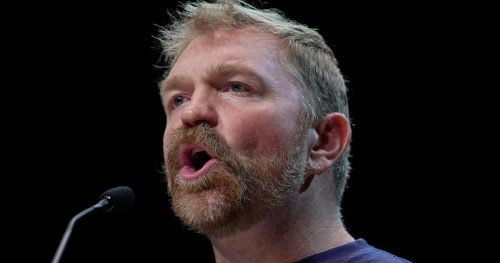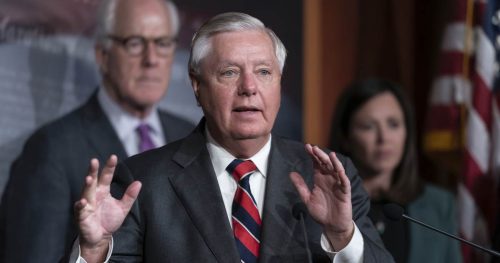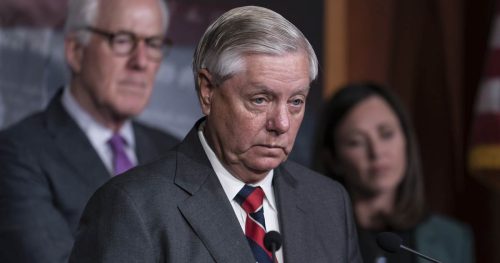
Virginia voters handed Democrats a redistricting win that many see as engineered for raw power, and veteran commentator Scott Jennings called out the move as a takeover rather than a reform; the result triggered predictable outrage, fresh legal challenges, and a broader debate over voting rules and representation across the country.
Virginia’s recent vote on new congressional boundaries landed squarely in the Democrats’ favor, especially in densely populated Fairfax County where turnout and money mattered. For conservatives the result felt less like a policy choice and more like a political playbook in action. That sense of frustration is fueling legal fights and sharper scrutiny of how maps get drawn.
Scott Jennings didn’t mince words about the motive behind the maps or the forces that pushed them. He said this wasn’t a fairness debate and suggested the push was about controlling seats and shaping power for the next cycle. That view lines up with conservatives who see map changes as a partisan strategy wrapped in reform language.
“Virginia literally had the fairest maps in the nation. They had a six-five map, six Democrats, five Republicans. In terms of proportional representation, they had the fairest map in the nation that was drawn, by the way, by an independent commission that the voters asked for just a few years ago,” Jennings said.
CNN's @ScottJenningsKY on Virginia's Democrat gerrymander: "Virginia had — literally had the fairest maps in the nation. They had a 6-5 map, six Democrats, five Republicans. In terms of proportional representation, they had the fairest map in the nation. That was drawn, by the… pic.twitter.com/L2JLwH4PbI
— Curtis Houck (@CurtisHouck) April 22, 2026
“Now they will have the least fair maps in the nation. And I’m not surprised that the ‘yes’ vote won. They had all the money and all the lies,” Jennings continued. “And sometimes in politics when you’ve got those two things, even something as egregious as this.”
“It’s a complete joke and everybody knows it,” Jennings said. “And there’s a reason that all these national Democrats and all their money came into Virginia, because, you know, they don’t really care about the people of Virginia. They just care about power.”
Beyond lines on a map, there are practical worries about how elections are run and how ballots are counted. Mail-in ballots are a problem, critics say, because they create pressure points and opportunities for confusion that partisan actors can exploit. Conservatives are pressing for clear rules, transparent chains of custody, and stronger safeguards so voters can trust outcomes.
Trust in the process matters more than rhetoric, and when people say “This is not wrong.” they mean institutions must be defended against gamesmanship. That phrase captures the feeling that rules are being bent to deliver a specific result rather than a fair contest. Republicans argue you cannot separate outcome from the method when the method is designed to guarantee the outcome.
Part of the strategy looks like urban concentration, which has long been a tactic for concentrating opposition voters into fewer districts. Or Milwaukee and Madison to Wisconsin, or Chicago to Illinois. Packing urban voters into a handful of districts reduces competitive ground elsewhere, a reality conservatives point to when they criticize modern redistricting moves.
When outside groups and big national donations flood a state, the local picture gets distorted. Indiana dropped the ball on that one, critics say, by failing to build broader coalitions or to push back early enough against out-of-state influence. The result is often maps that reflect the bankroll of donors more than the will of local voters.
Voters notice when entire regions lose clear representation and when labels like “independent commission” start to feel like window dressing. What they mean by that is “Republicans have no representation.” That line speaks to a belief that one party can engineer a legislature that ignores vast swaths of the electorate. Defenders of the new maps will call it reform; opponents call it exclusion.
The pushback is also cultural and constitutional. Thank goodness we’re a republic, not a pure majoritarian system where cities always steamroll rural and suburban voices. The framers set up checks and a balance so diverse communities could avoid being swallowed by a single voting bloc. Those principles show up in these fights over districts and voice.
For years Democrats have leaned into centralized strategies that reward turnout in big population centers while squeezing influence elsewhere. That’s been the norm with Democrats for a while now. Conservatives argue the solution is not to mimic those tactics but to restore competitive districts and accountable representation.
The broader national lesson is simple: if one side controls map drawing and spends to amplify its message, the political map tilts. All of this feeds distrust and fuels the legal challenges that usually follow controversial redraws. Courts and reform advocates will now sort through claims of unfairness and constitutional concerns.
The debate isn’t only about who wins the next election, it’s about what kind of system we want. That’s exactly the progressive dream. For Republicans the response will be legal fights, voter education, and organizing to reclaim seats and push for transparency in how maps are made.