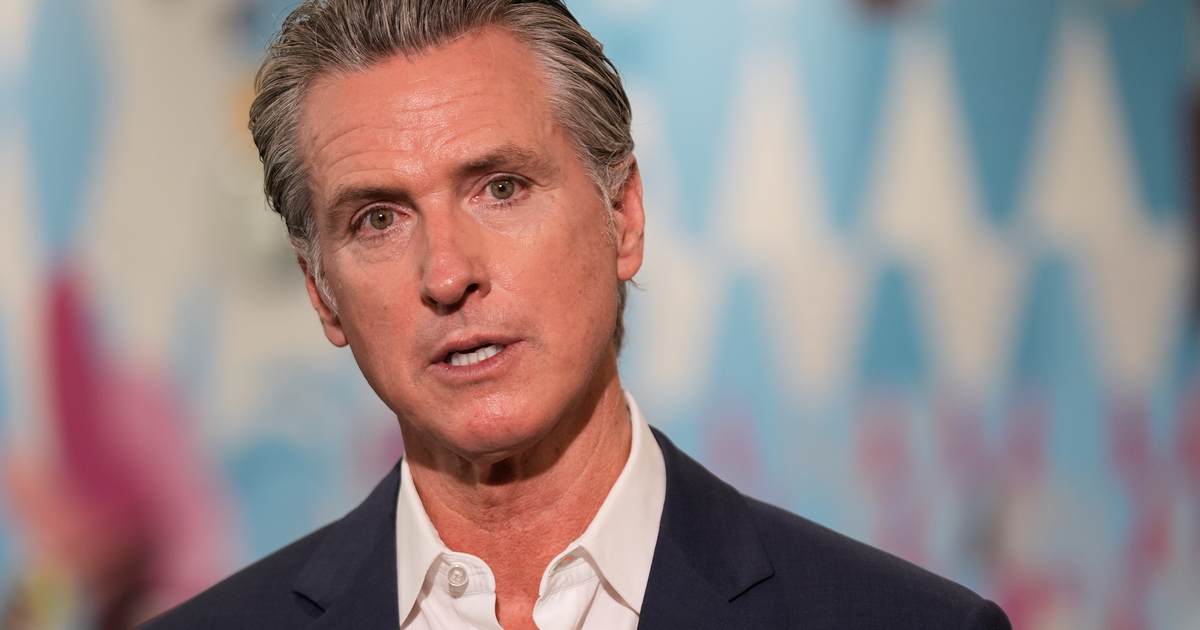
Gavin Newsom funded a nonprofit that helped bring undocumented migrants living with HIV into the United States, and the fallout raises questions about public health, immigration policy, and who bears the cost.
California’s governor has long promoted pro-immigration policies, but new reporting ties his office to an NGO that focused on bringing in migrants who are HIV positive or at high risk of contracting HIV. That group reportedly works on asylum claims and other immigration relief, and public records indicate many of those clients receive representation that dramatically increases their chances of winning asylum. The overlap between taxpayer funding, immigration law, and communicable disease creates a political and policy flashpoint for Republicans.
Public benefits typically follow asylum status, which means state and federal taxpayers can be on the hook for long-term care costs. Treating someone living with HIV involves ongoing medication and monitoring, and those costs add up over a lifetime. The point here is not to stigmatize illness but to question why state money would be funneled to programs that encourage cross-border movement without stronger public-health safeguards.
SCOOP: Gavin Newsom funded a left-wing NGO that specializes in bringing in undocumented migrants "living with HIV."
The group's executive director claims that his "queer," "trans," and "nonbinary" clients—one in five of whom is infected—almost all gain asylum in the US. pic.twitter.com/ltNO17PV9m
— Christopher F. Rufo ⚔️ (@christopherrufo) April 22, 2026
Here’s more (emphasis added):
Other groups focus on ideological subpopulations. Oasis Legal Services, another taxpayer-funded group, has worked on helping “queer and trans immigrants navigate immigration relief and benefits.” In a recent report, the group boasted that “the odds of winning an asylum case go up to 99 percent for clients when they are represented by an Oasis team member.” (The group denies that it encourages the entry of migrants.)
Adam Ryan Chang, Oasis’s executive director, believes that “homosexual audacity” is his “superpower,” and he has framed his work with the nonprofit as part of a broader left-wing campaign of “liberating” the “LGBTQ+ community.” In a recent annual report, the group highlighted its work of apparently representing migrants with a sexually transmitted disease. In 2024, the report said, “one in six new clients is living with HIV and the rest are all at significant risk of contracting HIV.” In 2025, that proportion increased to one in five.
In response to a request for comment, Chang said people “living with HIV are not barred from entering the United states on that basis.”
For Oasis, the public health implications are apparently not a cause for concern; it’s all part of reducing “stigma” and ensuring that “immigration justice” prevails.
This raises two clear issues: who pays for long-term treatment and what oversight exists when public dollars support organizations that help migrants gain asylum. Conservatives rightly worry about the fiscal impact and about public-health transparency when large numbers of new arrivals require specialized care. Lawmakers should ask for full accounting of state grants and how those funds were used to assist individuals with serious medical needs.
Because asylum seekers often qualify for public benefits, the budget implications are immediate and ongoing. HIV treatment includes antiretroviral therapy, regular lab work, and clinical follow-up; those are recurring expenses that states and the federal government would shoulder. Skeptics on the right see this as another example of policy choices that transfer costs from private actors onto taxpayers without sufficient oversight.
We just have to tax billionaires even more!
Imagine what happens when one of these asylum seekers rapes someone.
It is insane, but this is who the Democrats are.
Some might. But others know exactly what they’re importing. The destruction is the point.
California has already moved to soften criminal penalties for failing to disclose an STD or HIV infection to a sexual partner, turning what used to be a felony in many places into a misdemeanor under current state law. That policy shift frames the debate: supporters call it decriminalization and necessary reform, while critics warn it reduces deterrence for serious conduct and complicates public-safety messaging.
Under the current mix of state policy and nonprofit activity, the legal landscape is shifting in ways that make accountability harder to enforce. When representation rates for asylum jump to the levels Oasis claims—”99 percent” with representation—that invites scrutiny about legal standards, case preparation, and whether the system is being gamed. Republicans will press for tougher vetting and clearer limits on how taxpayer money can be used.
At the end of the day, this story touches on immigration enforcement, public health, and the role of state funding in private nonprofits. Those three areas intersect in ways that deserve more questions from elected officials, and voters should expect answers about who funds these programs and what safeguards exist for communities and taxpayers alike.