This article reports a documented investigation into a suspected sex trafficking operation discovered in Midtown Manhattan, detailing the location, surveillance observations, physical evidence recovered from trash bags, a ledger of names and counts, interactions with federal authorities, and the operation’s eventual relocation.
Editor’s Note: This story contains graphic language. The reporting follows prior undercover work documenting failures in border and juvenile placement policies and then turns to a disturbing, street-level example of those consequences inside New York City. The new material focuses on direct observation, recovered materials, and accounts from independent investigators. Names, times, and counts are included where sources provided them.
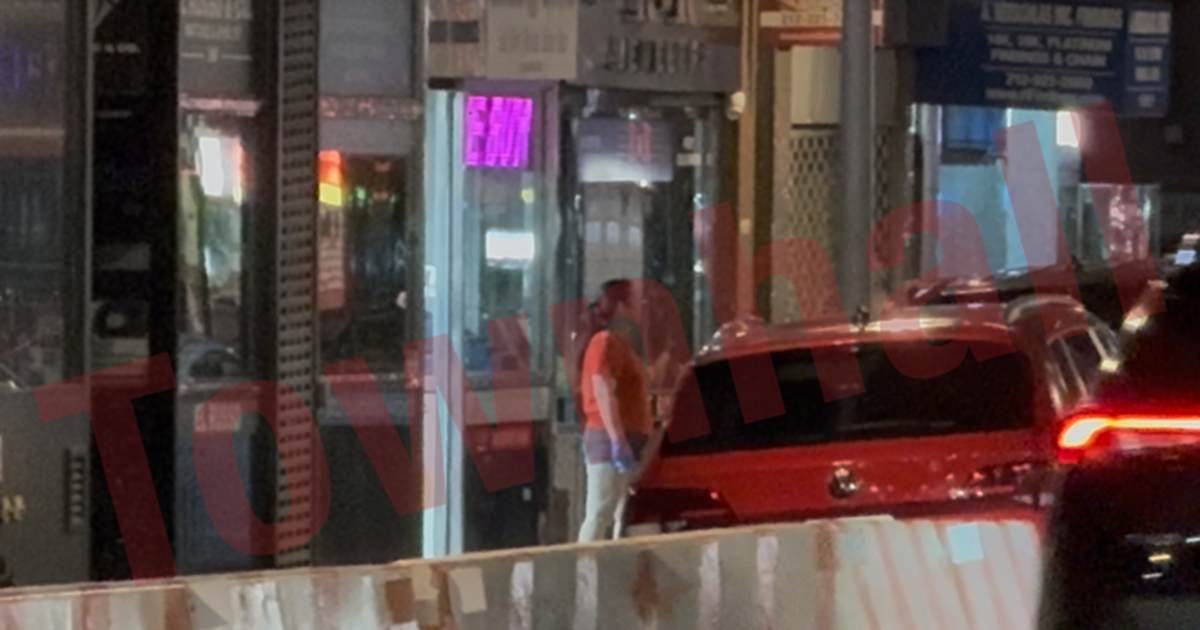
Sources say the operation centered at 26 W. 47th Street, a six-story building in the Diamond District less than a block from News Corp. and a few blocks south of NBC at Rockefeller Center. Surveillance began in mid-August after tips to an independent investigative unit that tracks illicit online ads and patterns. Investigators say their intent was to alert law enforcement first to avoid tipping off suspects.
Observers reported a clear pattern: men would linger near the storefront, receive a digital approval for check-in, enter for 40 to 70 minutes, then disappear back into the avenue. An older woman acted as a street lookout, scanning for cameras and then returning to the building. On multiple nights, she later emerged carrying large black trash bags, prompting undercover collectors to intercept them for examination.
The first bag yielded what sources describe as extensive evidence of commercial sex encounters: 22 used condoms, toilet paper wipes stained with fecal matter, crumpled tissues, dozens of mouthwash caps with a strong odor, and food remnants. The second bag contained similar refuse and items the sources identified as consistent with long hours lived on the premises, including butane canisters and food scraps.
Investigators cataloged the contents meticulously, preserving anything that could contain latent biometrics or other forensic value. Videos and recordings of the surveillance exist and were shared with the reporting outlet; embedded video files appear below. The recovered trash was treated as potential crime-scene material while the collectors continued night surveillance of the building.
Sources describe the network as sophisticated, using state ID checks to verify buyers and corroborating profiles on social platforms. They also report a strong likelihood that some images used to advertise victims were AI-manipulated to “age up” the subjects, which raised serious concerns that the victims were minors. The tip line traced the operation beyond Manhattan to locations in Westchester County and several other sites.
The investigators found sticky notes among the trash with mixed English and Chinese characters, suggesting simple record-keeping for rooms and transportation: 房 (room) and ⻋ (transportation). The ledger listed a series of names, which the collectors transcribed exactly as found:
- Risa
- Kaka
- Calista
- Gabi
- Janice
- Nicole (sometimes “Nicloe”)
- Konomi
- Chanel
- Jisoo
- Karley
- Emma
The tally in the ledger and the physical evidence suggested dozens of transactions in short spans of time: sources cited counts such as sixty-one over two days, seventy-three in a single day by another measure, and possibly up to ninety judging by the number of condoms found. Those figures are presented as source-reported observations and derived from the material seized from the trash.
When the collectors offered their materials and videos to ICE HSI New York City, they were met with caution. According to the sources, agents responded, “Well, it’s difficult to accept because of the custodial procedures,” and added, “Thank you, we’ll look into this.” The collectors described a slow bureaucratic response and say the case did not advance quickly.
As 2026 unfolded, sources say the Midtown location eventually shuttered and the operation moved elsewhere, continuing the same patterns in new places. The investigators emphasize that if an alleged trafficking hub could operate so visibly in Midtown Manhattan, the issue is not rare or isolated but indicative of broader, systemic vulnerabilities.
Below are embedded video frames the investigators provided as part of their documentation of the activity they observed and the material they recovered from the site.