Sen. Thom Tillis has reversed his plan to stall Kevin Warsh’s nomination for Fed chair after the DOJ dropped its investigation into Jerome Powell, opening the way for a swift confirmation.
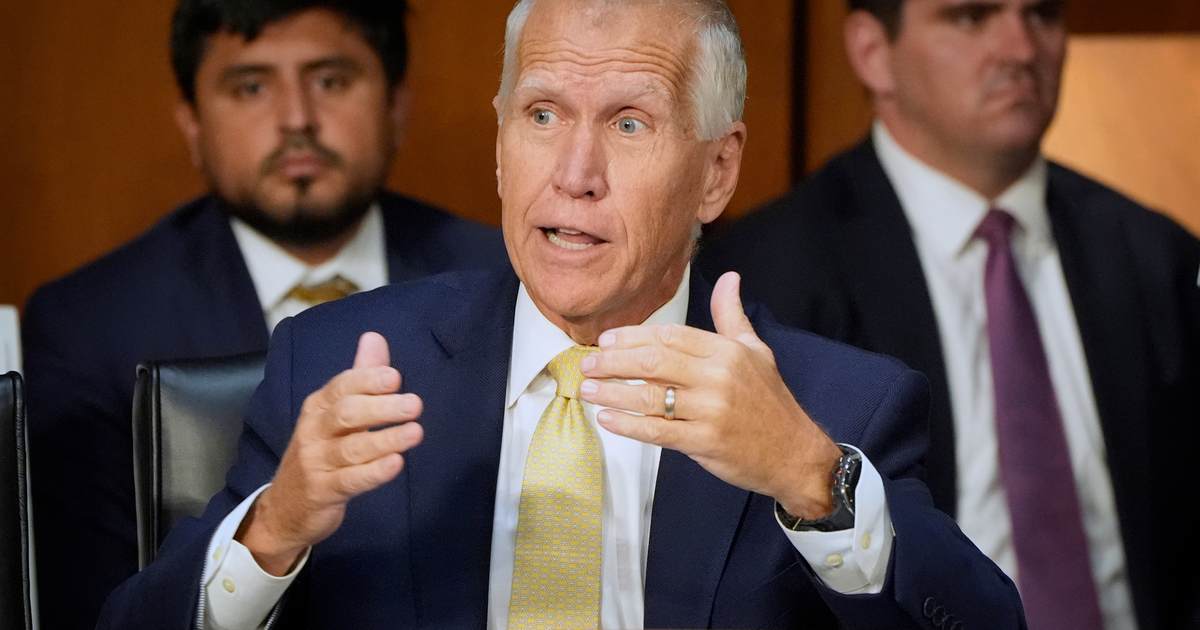
Sen. Thom Tillis, who had signaled he would create trouble for President Trump’s Fed nominee, announced he will not block the nomination anymore, easing a key hurdle for Kevin Warsh. The switch comes after developments around an investigation into the Federal Reserve’s renovation work that had raised alarms in conservative circles. Republicans are framing the move as a response to concerns about the Justice Department being used to influence Fed independence.
The controversy began with questions about the Fed’s office renovation spending, and President Trump had suggested there might be misconduct involved. DC Attorney Jeanine Pirro stepped in to halt the initial inquiry and referred the financial review to the Fed’s Inspector General, Michael Horowitz. That intervention was the turning point for Tillis, who said he needed assurances that DOJ would not be weaponized.
Sen. Thom Tillis said Sunday he is willing to end his blockade of Federal Reserve chair nominee Kevin Warsh after the U.S. Department of Justice dropped its criminal investigation of Fed Chair Jerome Powell.
News: Sen. @ThomTillis tells @kwelkernbc he WILL vote to confirm Kevin Warsh as Fed Chair
Says he worked over the weekend to get assurances from DOJ & has been assured Powell case is "fully and completely" settled and appeals are only for admin purposes, not to reopen the probe
— Melanie Zanona (@MZanona) April 26, 2026
Warsh now has a clear path to replacing Powell as the next leader of the Fed when Powell’s term expires in mid-May. The Senate Banking Committee is set to vote on his confirmation on Wednesday, and the full Senate could take it up shortly after.
With Tillis’s support, the confirmation of President Donald Trump’s pick to lead the Fed is all but assured.
“I am prepared to move on with the confirmation of Mr. Warsh, I think he’s going to be a great Fed chair,” Tillis, R-N.C., said on NBC’s “Meet the Press.” “We were very clear that we have assurances from the DOJ that I needed to make sure they were not using the DOJ as a weapon to threaten the independence of the Fed. So this will allow Mr. Warsh to move on with his confirmation on time.”
The block of Tillis’s opposition had been a sore point for conservatives who wanted a clearer signal that the federal investigative machinery would not be misused. Now that the DOJ has stepped back, Republican leaders are presenting Tillis’s decision as a sign the system corrected course. That political framing helped move wavering senators toward a vote in favor of Warsh.
Kevin Warsh is positioned to step in when Jerome Powell’s term ends in mid-May, and the Senate Banking Committee’s vote sets up a quick full Senate decision. With the nomination timeline restored, allies say Warsh will be judged on his economic views and not on the unrelated inspection flap. Conservatives who pushed for transparency say they secured the assurances they wanted and can now focus on policy.
For those who watched Tillis threaten a blockade, the reversal feels like overdue common sense, and some critics are blunt about the timing. Outgoing senators have leverage and Tillis used his to extract guarantees about DOJ conduct that he believes protect institutional independence. Once those guarantees arrived, he signaled he would no longer delay a confirmation process many Republicans want to conclude.
The episode underscores two larger Republican concerns: that unelected bureaucracies be held accountable and that law enforcement not be turned into a political cudgel. Those worries animated the push to move the post-investigation review under the Fed inspector general and away from criminal probes that could feel politically charged. Tillis’s announcement reflects a GOP calculation that institutional safeguards matter more than prolonging a fight.
From a practical standpoint, the change clears the path for a quick leadership handoff at the Fed, avoiding a protracted confirmation fight that could distract from economic policy debates. Conservative voices are already shifting attention to Warsh’s policy positions and how he would steer the Fed on interest rates and market stability. The aim now is to secure a chair who aligns with pro-growth, low-inflation priorities without letting procedural battles overshadow the discussion.
Political theater aside, the final stretch of this confirmation will test whether Senate Republicans can move decisively when a clear path appears. Tillis’s move reduces the odds of last-minute procedural roadblocks and signals a desire on the right to finish the job. That does not end scrutiny, but it does set the stage for a post-confirmation focus on how the Fed will approach the economy under new leadership.
Welcome to the party, pal, might be the way some on the right describe Tillis’s late embrace of the process, but the underlying demand was straightforward: assurances that federal power wouldn’t be used as a political weapon. Those assurances arrived, and the nomination can proceed. What happens next will show whether the Fed’s next leader follows through on promises to restore market confidence and sensible monetary policy.