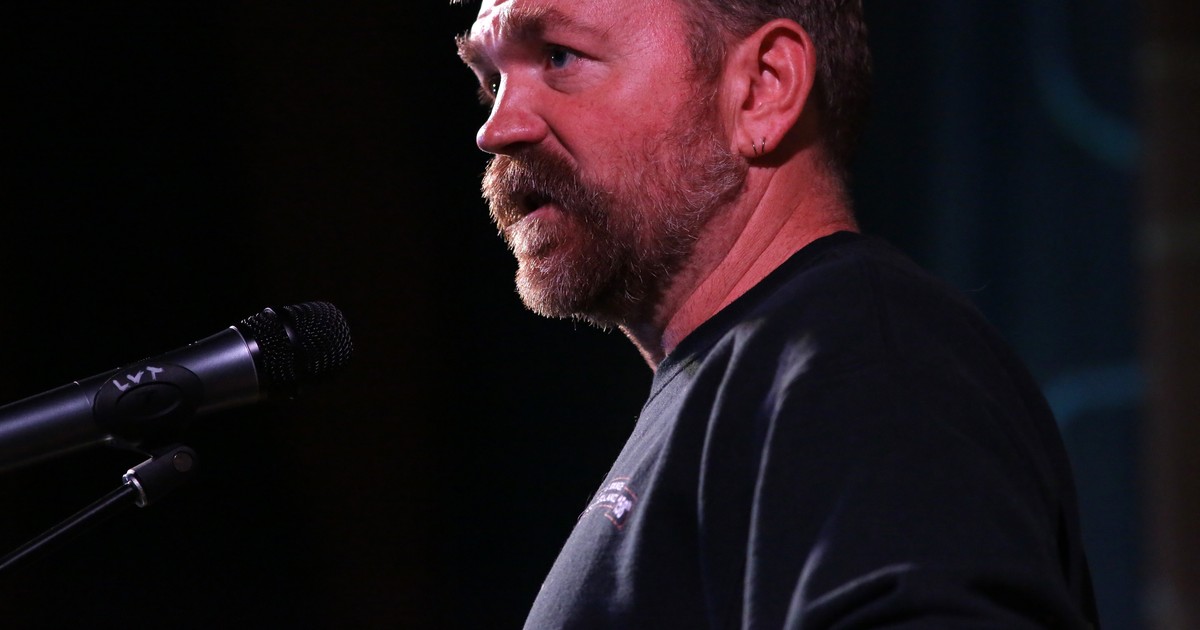
Graham Platner’s rise to the Democratic Senate nomination has sharpened a clear contrast: his stated plan centers on relentless oversight and daily subpoenas rather than a policy agenda, and that approach has drawn sharp criticism from Republicans who say it prioritizes political theater over governing.
Maine Governor Janet Mills recently withdrew from the Senate race and left the nomination to Graham Platner, a controversial figure whose past and rhetoric have dominated headlines. Critics point to the widely reported detail that he has a Nazi tattoo on his chest, a fact that has intensified scrutiny of Democratic choices. The switch in nominees has put the likely Senate agenda under a much brighter microscope.
From the statements already public, it’s clear the focus won’t be on costs or everyday issues Americans care about. Instead, Platner and his allies have talked openly about turning the Senate into a nonstop oversight engine, even vowing to “shut this White House down.” That aims squarely at disrupting the administration rather than delivering tangible results for voters.
Platner left little to speculation about how he would use power if Democrats take control. “I want the Trump administration not to function,” Platner said, “because everyone in the White House is being hauled under subpoena in front of a Senate committee, day after day after day.” Those words signal a strategy built on subpoena power and public hearings rather than bipartisan legislation.
Graham Platner wants to “shut this White House down."
He offers a preview of a Dem-controlled Senate:
“I want the Trump administration not to function, because everyone in the White House is being hauled under subpoena in front of a Senate committee, day after day after day." pic.twitter.com/vDc1lqFpym
— Western Lensman (@WesternLensman) May 1, 2026
Exactly this. The emphasis on disruption over delivery is an explicit tactical choice that will shape committee agendas and floor time. Republicans argue that the consequence will be fewer hours spent on bills about jobs, inflation, border security, and other pocketbook issues that voters routinely list as priorities.
It’s completely on brand for him, and that matters because style predicts substance. When a nominee embraces constant confrontation as policy, the resulting Senate calendar gets crowded with investigations and headline-grabbing hearings. That leaves less room for compromise or for advancing priorities that would improve daily life for working Americans.
The optics are relentless: a party that demonizes opponents can still support nominees with troubling personal histories, and that contradiction fuels voter distrust. Republicans are using Platner’s rhetoric and background to paint a picture of Democrats who prioritize scoring political points over solving problems. For many conservative voters, that gap is decisive.
There’s a practical side to this, too. A Senate consumed by daily subpoenas will have limited bandwidth to tackle legislation from appropriations to regulatory reform. Committees stuffed with investigations mean less time to pass bills that address healthcare costs, energy independence, or criminal justice concerns, which are common Republican talking points.
We’re totally not shocked to see this playbook emerge, because it follows a pattern: power pursued for its own sake, with policy taking a back seat. That lack of principle—if you strip it down to raw terms—looks like a willingness to win at any cost, even if it means undermining institutional stability and ignoring voters’ top concerns.
They don’t have any principles save gaining power. That’s why they can call President Trump Hitler and say he needs to be removed from office, while they push a guy with a literal Nazi tattoo for the Senate. Those contradictions are the political ammunition Republicans will use as the campaign season ramps up.
Editor’s Note: The 2026 Midterms will determine the fate of President Trump’s America First agenda. Republicans must maintain control of both chambers of Congress.