Alabama will open a special legislative session to redraw congressional and state senate maps after a recent Supreme Court ruling, aiming to secure stronger Republican representation ahead of the November midterms.
The special session, set to begin Monday, gives lawmakers a clear window to revisit district lines in light of the Supreme Court’s Thursday decision on the Voting Rights Act. State leaders say the move is about ensuring maps reflect current legal guidance and protect Alabama voters’ interests. Expect a focused agenda: redraw maps, prepare for litigation, and respond quickly if courts permit the new maps to be used this year.
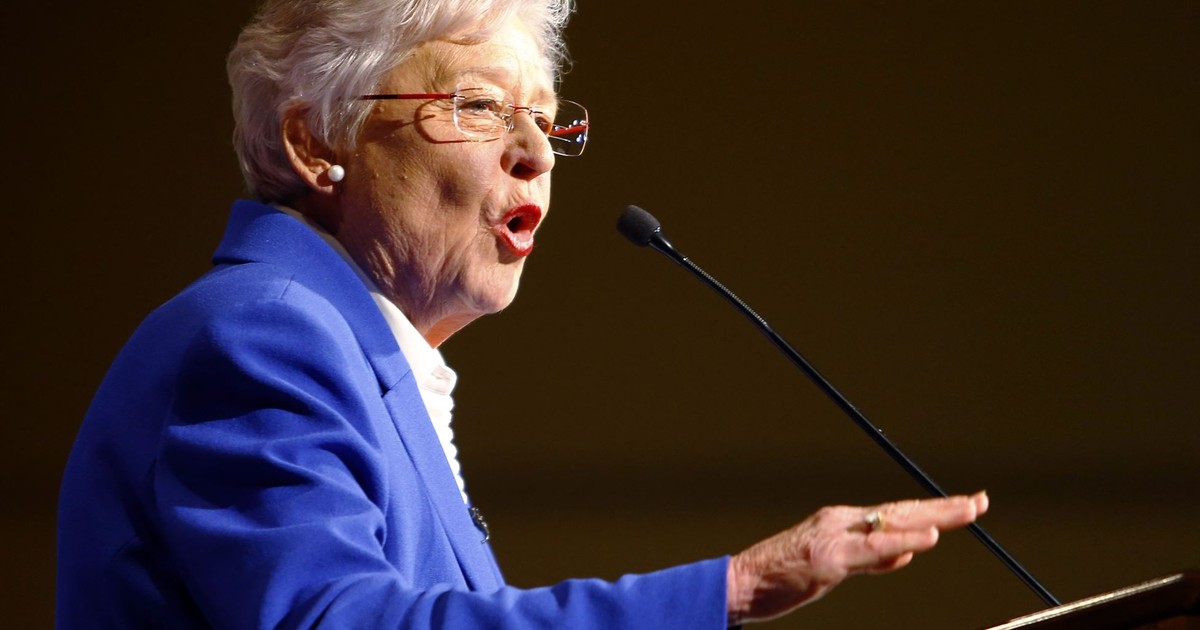
Governor Kay Ivey called the session specifically to explore ways Republicans might expand their majority in both Congress and the state senate. Online proposals circulating among policymakers and analysts suggest options that could net Republicans one or two additional seats before the midterms. Those calculations matter: even a single seat can shift committee dynamics and the balance of power in closely divided chambers.
NEWS — Alabama Gov. Kay Ivey reverses course, calling for a special session to redraw the state's congressional map ahead of the midterm elections, per @aldotcom.
— VoteHub (@VoteHub) May 1, 2026
With the midterms approaching, state Republicans are moving decisively rather than waiting on uncertain national timelines. Supporters argue acting now avoids last-minute chaos and gives candidates and election officials clarity heading into November. Opponents predict legal fights and public pushback, but backers say the plan is rooted in recent court guidance and straightforward political management.
“By calling the Legislature into a special session, I am ensuring Alabama is prepared should the courts act quickly enough to allow Alabama’s previously drawn congressional and state senate maps to be used during this election cycle,” Ivey said in a statement. That line has become the touchstone for the administration’s argument that readiness, not gamesmanship, is the objective. It signals a willingness to move fast if the judiciary clears the path.
A 2023 court decision had previously blocked a revised map approved by the Alabama legislature, delaying changes that would have shifted representation. The map under review then would have delivered Republicans an additional seat, according to analyses from that cycle. This season’s push is essentially an attempt to pick up where those earlier efforts were stopped, using updated legal context to justify new lines.
Not every Southern state is racing to redraw. Georgia Governor Brian Kemp has stated his state will not undertake redistricting until 2028, a contrast that highlights different strategic choices among Republican leaders. Alabama’s choice to act now reflects a belief that timely adjustments can shape federal and state contests this fall. For national observers, the differing approaches underscore how local politics and legal assessments produce divergent tactics even among aligned parties.
Legally, this will be messy. Redistricting always invites court challenges, and opponents are already preparing arguments about fairness and minority representation. Supporters counter that the goal is to follow the law as interpreted by the highest court and to ensure districts are defensible. Practically, the session will need to produce maps that survive scrutiny and can be implemented quickly if judges give the green light.
Politically, the stakes are simple: a one- or two-seat swing could affect how Alabama’s delegation votes on national priorities and how state senators manage local policy. Republicans argue that securing sensible maps helps keep conservative representation strong and prevents a last-minute scramble that benefits no one. Critics will call it partisan advantage; the state’s leaders call it prudent planning and a defense of voters’ voices.
Timing will be everything for candidates, parties, and courts. If the session produces maps the courts permit for this cycle, campaigns will need to adapt fast and voters will face new districts in November. If legal hurdles persist, the debate will shift to who bears responsibility for the delay. Either way, Alabama’s move has already set the political calendar on a faster track ahead of the midterms.