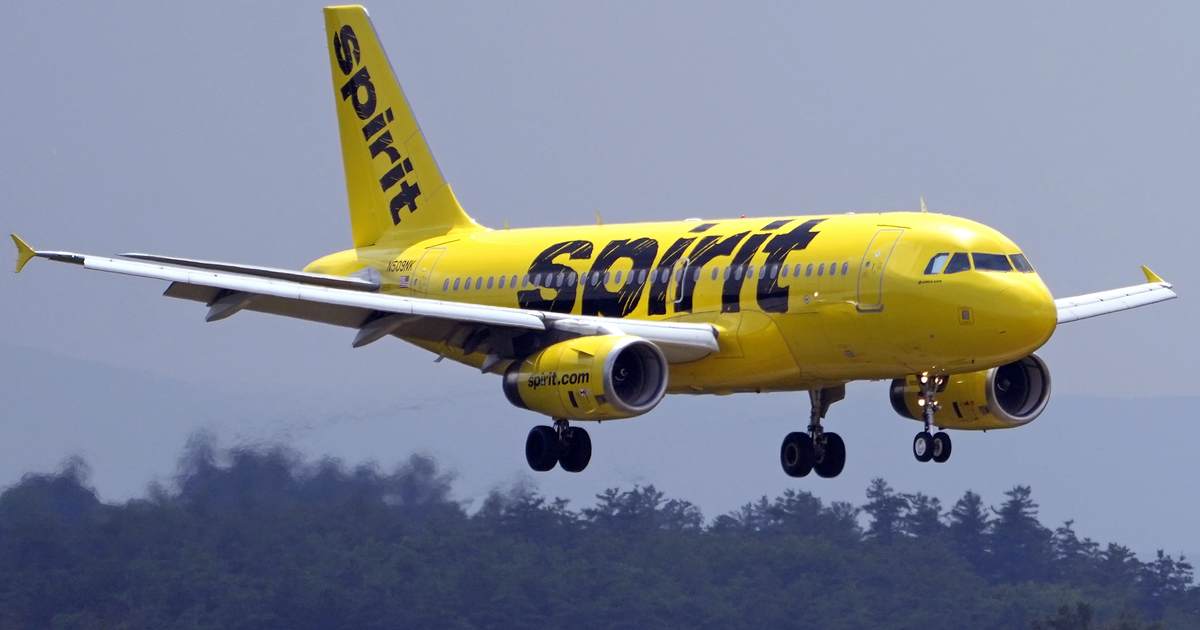
Spirit Airlines has shut down after 34 years, leaving travelers and workers scrambling while the Trump Administration rolls out a short-term relief plan with major carriers stepping in to cap fares and assist displaced staff.
After 34 years as a low-fare carrier, Spirit Airlines has ceased operations, a collapse that follows a Biden-era decision to block a proposed merger that might have preserved the company. The sudden shutdown forces thousands of travelers to rebook and leaves employees without paychecks, benefits, or clarity about their next steps. This is a disruptive blow to routes and communities that relied on Spirit’s budget service.
Customers facing canceled flights now have to find alternative options fast, often at higher cost unless relief measures hold. The Trump Administration moved quickly to coordinate with U.S. carriers to prevent chaos at airports and to keep fares from spiking immediately after the shutdown. Officials say this temporary intervention aims to protect travelers and preserve route access while longer-term solutions are explored.
Under the relief plan, JetBlue and Southwest will offer capped ticket prices for prior Spirit customers for the next three days, providing immediate, limited relief for stranded flyers. Delta has signed on to cap fares for five days, and United extended a similar offer for up to two weeks to help people finish planned trips. Those windows are narrow, but they are meant to buy time while travelers make new arrangements.
BREAKING: The US government announces a relief plan for Spirit Airlines customers and the company's 17,000 employees.
Details include:
1. United, Delta, JetBlue, and Southwest are all capping ticket prices specifically for Spirit customers who now need to rebook cancelled…
— The Kobeissi Letter (@KobeissiLetter) May 2, 2026
Airlines operating overlapping routes are also adjusting prices to limit damage. Delta and American are offering reduced fares on routes that previously competed with Spirit, while Allegiant froze certain prices and Frontier announced targeted cuts. Frontier said it will lower ticket prices for affected flights by 50 percent, a steep drop intended to ease rebooking pressure on budget-conscious travelers.
Major carriers have also offered practical support beyond fare control, including options to help former Spirit employees get back home and connections to new job opportunities. Several airlines committed to conducting “preferential employment interviews” for displaced Spirit workers, promising expedited hiring consideration for qualified applicants. Those commitments are important for employees who suddenly lost income and who may need help navigating immediate travel or relocation needs.
Democrats had hailed the blocked merger between JetBlue and Spirit as “a Biden win for flyers,” saying that the two companies joining would have been monopolistic and “would have led to fewer flights and higher fares.” That argument framed regulatory resistance to the merger as consumer protection, even as the shutdown undercuts the availability of low-cost seats that many Americans relied on. The political fallout now centers on whether regulators misjudged the market consequences of stopping consolidation.
“Yet another mess the traveling public has to inherit thanks to the radical policies of Joe Biden and Pete Buttigieg. In blocking the Jetblue/Spirit merger in 2024, they turned their backs on the American consumer and our great aviation workforce,” Transportation Secretary Sean Duffy said in a statement. That blunt assessment pins responsibility on federal policy choices and highlights the real-world costs felt by travelers and workers.
“Regardless of how we got here, the Trump Administration is committed to taking care of you and your family when you fly,” he continued. “In a matter of hours, we’ve activated our airline partners to ensure passengers are not stranded, communities maintain route access, fares do not skyrocket, and Spirit’s workforce is connected to new job opportunities.” Those words reflect a rapid, pragmatic response designed to stabilize immediate disruptions and to steer displaced workers toward employment fast.
The shutdown of Spirit marks a major shift in the budget travel market and raises questions about regulatory priorities and the health of competition. For many communities, losing the country’s largest ultra low-cost carrier means fewer nonstop options and the potential return of higher prices once temporary fare caps lift. The episode will likely fuel calls for clearer policy that balances competition concerns with the need to preserve affordable travel options.
For now, the focus is on short-term damage control: keeping people moving, helping workers find new positions, and ensuring essential routes remain open. The actions taken over the next days and weeks will shape how quickly travelers and employees recover from this sudden collapse. The political debate over who is to blame will continue, but the immediate priority remains practical relief for those affected.