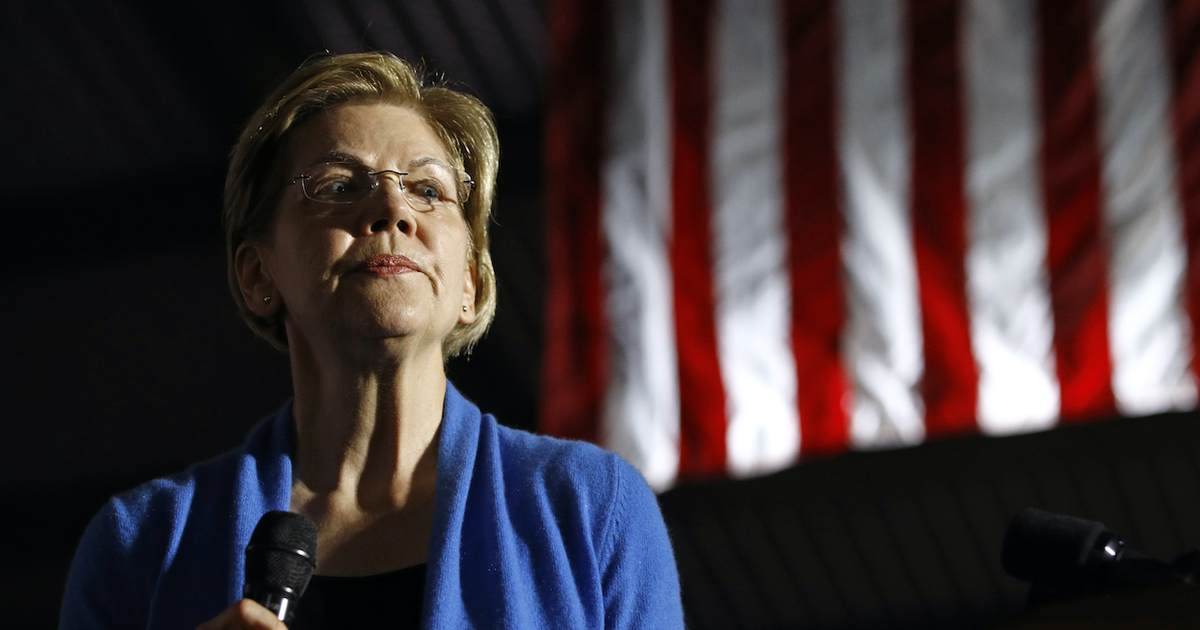
Sen. Elizabeth Warren, along with Transportation Secretary Pete Buttigieg and President Joe Biden, pushed to block the JetBlue-Spirit merger and now faces backlash as Spirit collapses and thousands lose jobs.
Sen. Elizabeth Warren led a vocal campaign against the proposed merger between JetBlue and Spirit, arguing it would harm consumers and reduce choices. Her push aligned with actions from Transportation Secretary Pete Buttigieg and the Biden administration, which helped stall the deal. The result was a court decision that prevented the merger from moving forward.
The administration framed the blocking of the deal as a win for travelers, with Warren celebrating the outcome as proof of protecting consumers. Critics point out the contrast between claiming to protect competition and the real-world fallout that followed. The company’s decline accelerated in the wake of the defeat, leaving the industry and travelers to pick up the pieces.
🤦🏻♂️ @PeteButtigieg: "Our department, the Department of Transportation, has generally not gotten involved in these merger cases, but that’s changing today. It is is important to make sure that passengers have choices, that they have access to low fares, that they have access to… pic.twitter.com/ZYqvOvlg0K
— Townhall.com (@townhallcom) May 2, 2026
Now that Spirit is gone, Democratic leaders who pushed the block are suddenly lamenting a lack of competition in the skies. That shift looks like political theater to many observers who watched the entire sequence unfold. The central fact remains: the merger never happened, and the airline that struggled afterward ceased operations.
Warren had previously touted the decision to kill the merger as a huge win for consumers and warned that the deal would’ve “led to fewer flights and higher fares.” A judge, under pressure and public scrutiny, even declared “to those dedicated customers of Spirit, this one’s for you” before issuing the block that effectively stopped the transaction. Those exact words are now being read against the backdrop of a collapsed carrier and a shaken workforce.
The fallout has been immediate and severe for employees and communities tied to Spirit’s operations. Estimates put the number of lost jobs at about 14,000, a human cost that doesn’t vanish when political rivals trade talking points. For small businesses, airport workers, and travelers who relied on Spirit’s low fares, the consequences are tangible.
On social media, critics have not been shy about calling out the obvious irony of the situation. Users have pointed to old tweets and statements celebrating the blocked deal while pointing at the wreckage left in its wake. Those reactions piled up quickly, amplifying the narrative that policy choices have predictable consequences.
From a Republican perspective, this episode underlines a larger lesson about regulatory overreach and political posturing. Blocking mergers to score headlines can look responsible until you add up the real costs to workers and customers. Lawmakers who cheer on court interventions should be prepared to own the fallout when industries contract and jobs vanish.
Watching leaders flip from celebrating a legal victory to complaining about reduced competition is disorienting for voters who prefer consistency and accountability. Republicans argue that a market-driven resolution would have likely preserved more routes and jobs than a drawn-out political fight. The debate now centers on who pays for the decision: the workers, the travelers, and the towns that relied on affordable service.
Looking ahead, the air travel market faces questions about profitability, consumer choice, and the lines between antitrust enforcement and political interference. Conservatives emphasize that protecting Americans from harm should not mean dismantling options and creating instability in an essential industry. Those are the stakes at the center of this controversy, and they extend far beyond a single headline.