A federal sentence has been handed down in a sprawling COVID-era unemployment fraud case that moved tens of millions of dollars through U.S. bank accounts and offshore transfers, and the government is pursuing forfeiture of the proceeds.
Bruce Jin, 61, of Los Angeles was sentenced on April 30, 2026 to 144 months in prison by United States District Judge Jennifer P. Wilson for wire fraud and money laundering tied to roughly $59 million in illicit proceeds. The judgment follows Jin’s guilty plea on January 29, 2025 and lays out a complex scheme involving multiple co-conspirators and fake business fronts.
Prosecutors say Jin worked with Brian R. Cleland, 72, and Carlos A. Grijalva, 60, both from Los Angeles, plus other unnamed participants to fraudulently obtain state unemployment compensation funds. The indictment also alleges Economic Impact Payments, or “stimulus payments,” were acquired through the same fraudulent network.
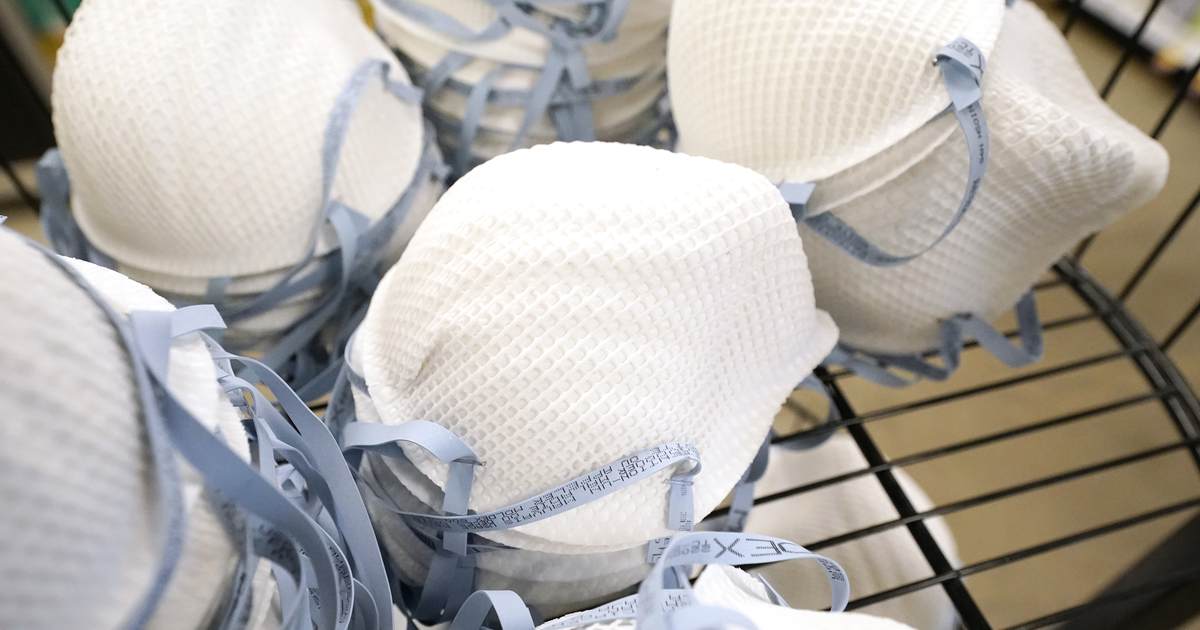
The defendants used the appearance of legitimate companies selling masks and other COVID-19 personal protective equipment to launder money and mask the origin of funds. Those shell operations created a cover story while the cash actually derived from stolen identities and fraudulent benefit claims routed through U.S. bank accounts.
Investigators say unnamed members of the conspiracy, including actors believed to be based in China, established thousands of bank accounts across the United States using identity theft victims’ personal information. From those accounts, fraudulent unemployment claims were filed and paid out, with victims in multiple jurisdictions including the Middle District of Pennsylvania.
Once unemployment compensation funds hit those accounts they were shifted into entities controlled by Cleland, Jin, and Grijalva. Jin’s companies, identified as Ample International and Jin Commerce, received over $12 million in UC funds, and the scheme used ACH processing to pull more than $45 million from victim accounts into firms controlled by Cleland and Grijalva.
The indictment lists several business names tied to the transfers, including MexUS Service, Group Mex USA, CCB Group, GC Accounting, and CLECO, which received and moved money throughout the network. Cleland and Grijalva then transferred more than $30 million to Jin’s companies and over $6 million to a company tied to an associate of Jin, according to court filings.
After consolidating those funds, Jin sent international wire transfers totaling over $35 million to a bank account linked to a Chinese company identified in the indictment as company two. The filings also say Jin wired over $2 million directly to an individual in China described in the indictment as con-conspirator two.
Federal authorities have sought forfeiture of more than $59 million in U.S. currency and other assets connected to the scheme. Cleland and Grijalva have pleaded guilty as well and are scheduled for sentencing in May 2026, reflecting coordinated prosecutions that followed the multiagency investigation.
The Federal Bureau of Investigation and the U.S. Department of Labor, Office of Inspector General led the probe, and the case was prosecuted by Assistant U.S. Attorneys Ravi Romel Sharma and K. Wesley Mishoe along with U.S. Department of Justice Trial Attorney Patrick B. Gushue. That team pursued charges that federal prosecutors say were part of a broad effort to defend taxpayer dollars.
On April 7 the Department of Justice announced the creation of the National Fraud Enforcement Division, nicknamed the Fraud Division, to focus resources on large-scale fraud against the American people. The division’s work is described as supporting President Trump’s Task Force to Eliminate Fraud, a whole-of-government effort chaired by Vice President J.D. Vance to eliminate fraud, waste, and abuse within Federal benefit programs.
Editor’s Note: Do you enjoy Townhall’s conservative reporting that takes on the radical Left and woke media? Support our work so that we can continue to bring you the truth.