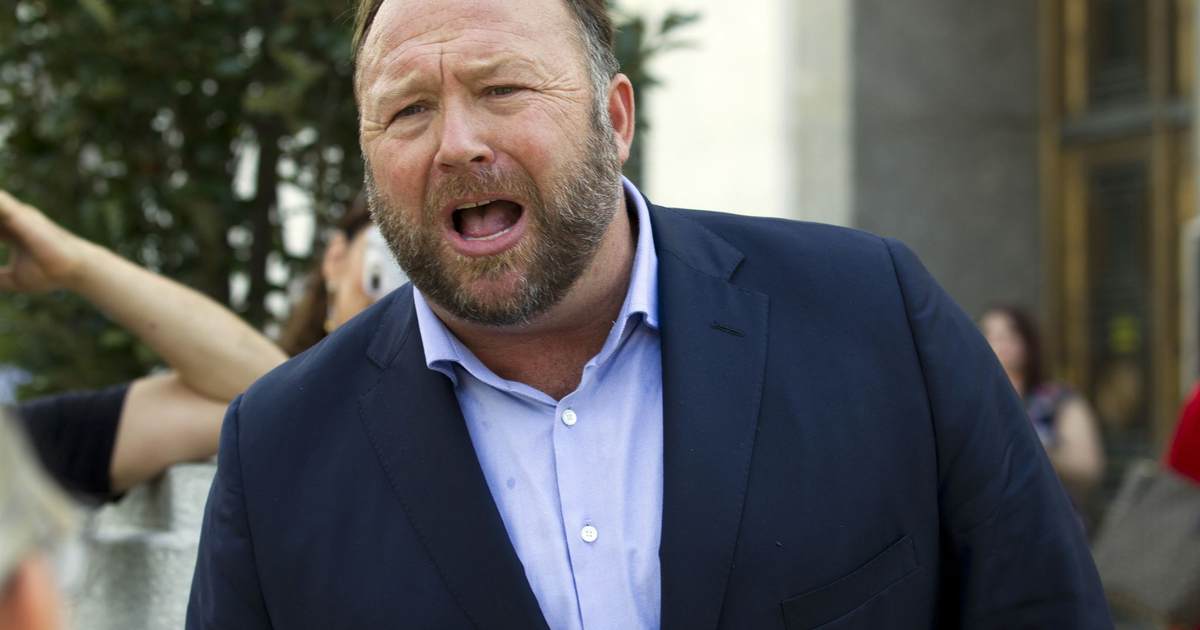
The Onion’s takeover of InfoWars landed as a public humiliation stunt and the first sketch from Tim Heidecker — an Alex Jones impression aimed at a left-leaning audience — reads less like sharp satire and more like a clumsy bit that mostly flatlines.
The buyout felt like a setup for a ritualized takedown, and the initial clip from Tim Heidecker only confirmed that impression. Heidecker, who has shifted his act toward caricaturing right-wing figures for progressive feeds, delivered an impression that many find uncannily accurate in voice but empty when it comes to laughs. The end result is not so much satire as a performance that leaves viewers asking what the point was.
I’m not going to white knight for Jones and cry that InfoWars is dead; I was not a viewer and don’t claim to have been a regular reader. My only real exposure to Alex Jones outside of clips is the controversial Joe Rogan podcast appearance during the COVID years, and back then Jones felt like an over-the-top entertainer who, whether by design or accident, kept people watching. That uneasy mix of spectacle and sincerity can be interesting on its own, but parody needs a different spark.
EMERGENCY UPDATE FROM INFOWARS CREATIVE DIRECTOR TIM HEIDECKER https://t.co/0aEc2cNYey pic.twitter.com/UNevaI5JIG
— Office Hours Live with Tim Heidecker (@OfficeHrsLive) May 2, 2026
The parody itself misses that spark. The impression is accurate enough to be eerie, yet the material around it is thin, leaving audiences online unimpressed and a little bored. Reactions on social feeds skewed toward terse disappointment rather than amusement, and the broader cultural payoff for the Left looks temporary at best.
My first thought watching the clip was “where are the jokes?” The execution leans on easy targets without finding sharper angles or satiric stakes, so it lands as mean-spirited mimicry more than genuine comedy. There’s an old observation from Norm Macdonald that helps explain why impressions of people you despise often fall flat: “you can’t play someone and have contempt for them at the same time.” When contempt shows through, the nuance evaporates and so does the laugh.
Once you accept that the project was never meant to be a two-way comedic exchange, the pieces fall into place. The acquisition and the sketch accomplish what they likely set out to do: provide a new public punching bag for left-leaning outlets and influencers who delight in ridiculing Jones. That dynamic generates predictable headlines and social media posts, but it’s a short-cycle victory; the same jokes about the audience and the host get recycled until even the mockers move on.
There’s also a performative element here aimed squarely at Facebook liberals and similar audiences who enjoy seeing conservative targets parodied by someone from outside their tribe. Those viewers will clap it up, share clips, and write pieces that feel satisfying in the moment. Still, the sketch doesn’t convert anyone outside that echo chamber and it doesn’t add anything clever to the conversation, so the payoff is shallow.
Satire works when it sharpens a truth, not when it simply points and laughs. This effort reads like an artful way to humiliate rather than a genuine attempt at comedy, and the mismatch between mimicry and meaning is the problem. Pour one out for the Facebook liberals who will have to pretend that they like this. I couldn’t get through another clip if you paid me.