A man was detained by the U.S. Secret Service at Trump National Doral during the $20 million Cadillac Championship after setting off a magnetometer, and video on social media shows officers taking him into custody. Security at the tournament was already tight because President Donald Trump is likely to attend, according to his public calendar. The incident comes amid recent violence aimed at the former president, heightening concern about threats and protective measures.
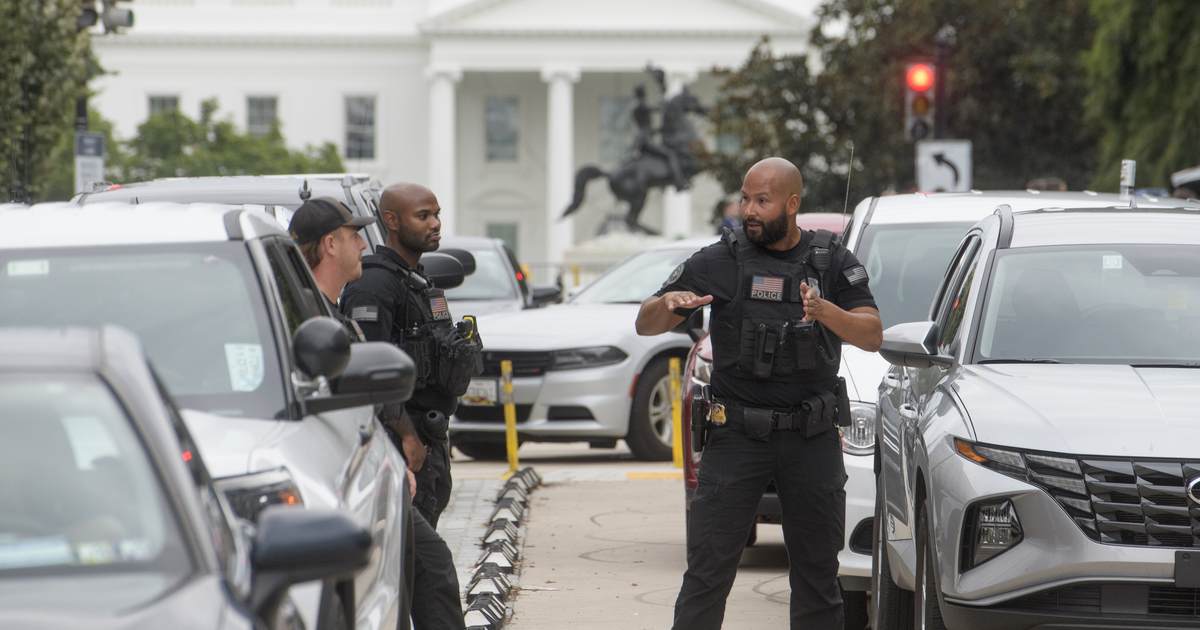
The U.S. Secret Service appears to have taken custody of an individual at the Trump National Doral Miami Golf Resort while the Cadillac Championship was under way, with onlookers and bystanders filming parts of the response. Video posted to social platforms shows officers leading a man away after he reportedly triggered a metal detector at an entry point, and the quick reaction has been captured in multiple clips. Officials on the scene have provided limited public detail as law enforcement processes the situation.
The championship carries a $20 million purse and drew a large crowd, which increased the stakes for security teams working the event. President Trump’s presence, expected based on his calendar, meant federal protective agents and local law enforcement coordinated to keep the grounds secure and attendees safe. The magnetometer alert and the subsequent detention underscore how routine screening and visible security deter and neutralize potential risks.
From a Republican perspective, the episode highlights the value of strong, visible security at events involving high-profile public figures, and it shows the U.S. Secret Service fulfilling its mission under pressure. When a potential threat trips screening equipment, swift and decisive action is exactly what the public should expect and deserves. Conservatives will point to this as proof that proper procedures and well-trained agents prevent small incidents from turning into tragedies.
The detention comes just one week after a dramatic and violent incident near Washington, D.C., where a 31-year-old man identified as Cole Allen allegedly tried to carry out an attack at a high-profile event. That man “appeared to have shot” a U.S. Secret Service member who was wearing a bulletproof vest, and the agent is expected to recover from the injury. The proximity in time between the two episodes renews debates about how best to protect public figures while keeping large events accessible to the public.
Some schmuck protester at Trump Doral getting busted by the Secret Service. The security alarms were going off when he tried passing through the checkpoint
Excellent work by the Secret Service 👊🏽🇺🇸 pic.twitter.com/577ZZ7LCg5
— Beard Vet (@Beardvet) May 2, 2026
Social media footage makes incidents like this feel immediate, but it also leaves gaps that only official statements and investigations can fill, so patience is required before drawing definitive conclusions. Video can clarify some details, but it rarely tells the full story of motives, intent, or the sequence of events leading up to a detention. That means investigators and prosecutors will need time to review the footage, interview witnesses, and determine whether charges are warranted.
The broader reality is that threats against public figures remain a persistent problem, and the security apparatus must remain vigilant and well-resourced to meet that challenge. Reliable, capable protective agencies are nonpartisan necessities in a free society, and their effectiveness depends on authority, training, and proper coordination with local partners. Republicans will argue this moment reinforces the need to back those agencies and ensure they have the tools to act quickly and decisively.
For now, the public can note that screening technology and trained personnel appear to have worked as intended at Doral, stopping an individual at a checkpoint before anything worse could happen. Law enforcement will continue its work away from public view, and the community of attendees and staff can expect heightened scrutiny for the duration of the event. The detention serves as a reminder that preparedness and enforcement make the difference between an incident and a catastrophe.