This piece argues that the Left is twisting the meaning of “food insecurity” into a political weapon, conflating genuine hunger with other problems like obesity, diet preference, and program abuse to blame Republicans for tightening SNAP and immigration enforcement.
Back when I was in school, teachers warned us that “global warming” would swallow entire states and that acid rain would be everywhere. Those dramatic predictions did not pan out, so the language shifted to the vaguer “climate change” to keep the alarm alive. That tactic—renaming a failed scare to make it harder to disprove—now looks familiar in the way “food insecurity” is being used.
Watch how political narratives mutate: what was once a narrow technical term now swells to cover any discomfort around food access, diet, or portion size. As the Trump administration moves to crack down on SNAP fraud and remove ineligible recipients from benefit rolls, the Left is already framing those enforcement steps as causing mass hunger. This rhetorical pivot aims to turn accountability into an outrage generator.
History shows government-run food distribution is no guarantee of abundance, and in many centrally planned systems shortages and starvation followed. That pattern matters because it exposes the risk of pretending bureaucratic control of food is a cure-all for poverty. The leftward argument often treats those failures as irrelevant, portraying scarcity as an inevitable systemic injustice instead of a consequence of policy choices.
14 million children in the United States are food insecure btw. https://t.co/MlDPObeHXV
— RTSG (@RTSG_Main) May 2, 2026
Definitions matter. The way “food insecurity” is calculated can sweep in people who occasionally skip a meal, or who do not have access to the specific foods they prefer, and count them alongside those who truly lack dependable access to enough food. When the metric broadens like that, it becomes a blunt political tool more than an accurate measure of need. We should scrutinize the numbers instead of accepting the most sensational interpretation.
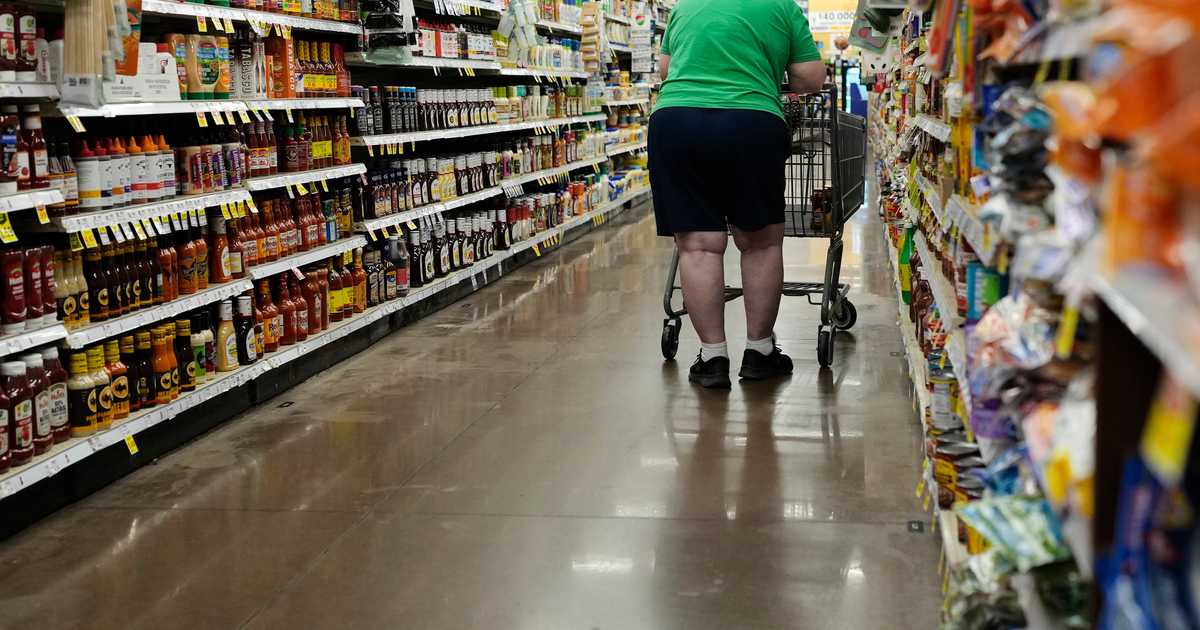
You’ll also see curious overlaps in the data: the count of so-called “food insecure” kids maps closely to childhood obesity trends. That is not a coincidence, and it undermines the image of empty plates as the defining problem. Americans consume a lot of calorie-dense, processed food and many families struggle with portion control and nutrition education, not simple scarcity.
Personal experience matters. Many people who qualify as “food insecure” on a survey level are nevertheless overweight or have diets filled with processed snacks. That lived reality highlights how policy conversations need to distinguish between hunger, diet quality, and lifestyle choices. Labeling all these problems under one political phrase hides useful policy distinctions.
The definition of “food insecure” can also include those who lack access to preferred diets or particular foods, turning preference into a rights complaint. That stretches the term until it loses diagnostic clarity and becomes a claim of deprivation whenever tastes or convenience are challenged. Critics who roll out the most dramatic examples of hardship to shame reforms are often selecting the weakest cases to score political points.
There was a fuss when SNAP stopped covering certain junk foods and soda, and some commentators framed that as “denying poor people a little happiness.” That exact phrase was used online to argue the program should pay for anything someone wants to eat. Yet many of the high-profile examples trotted out by activists have not shown people actually missing meals, they have shown mismatched priorities and public spectacle.
Some lawmakers have even paraded constituents in front of cameras to claim they are starving despite evidence to the contrary, turning private hardship into staged grievance. The result is predictable: removing ineligible recipients from SNAP becomes a moral crime in the media narrative, while the underlying problems of fraud, poor diet, and policy design go unaddressed. That misdirection helps no one who actually needs help.
No one in this country should face chronic hunger, and conservatives should be loud advocates for efficient, targeted assistance that reaches truly needy families and protects taxpayers. But inflating “food insecurity” to mean every dietary complaint or political inconvenience turns compassion into a rhetorical cudgel. Honest policy debates require honest definitions and a willingness to separate real need from manufactured crisis.