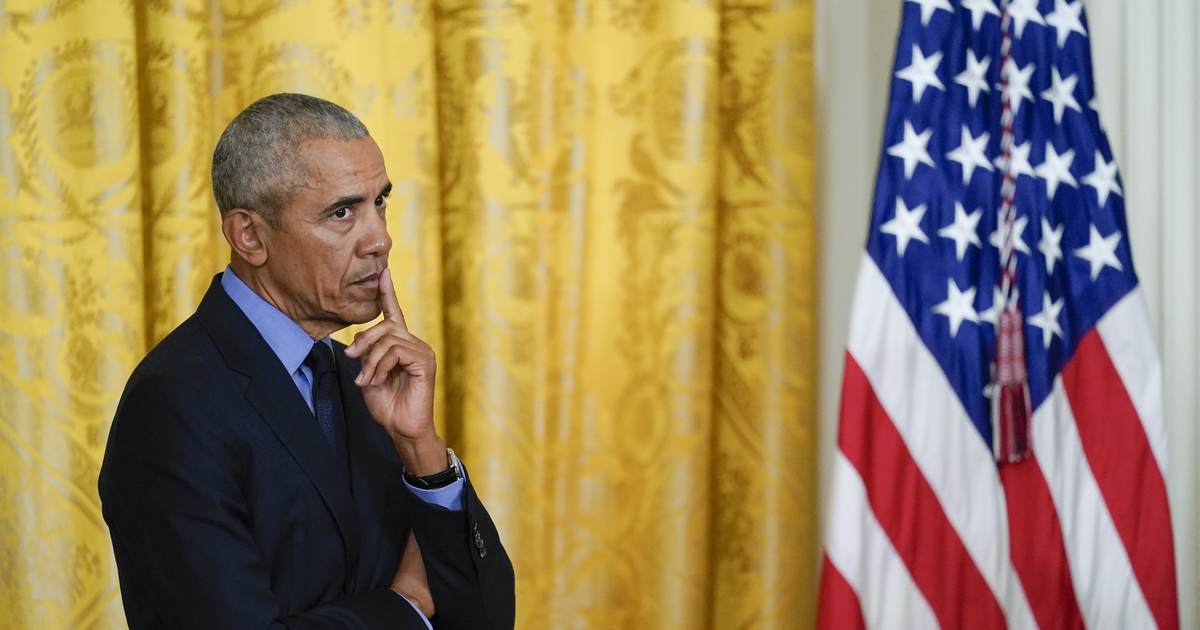
Barack Obama’s recent interview with Stephen Colbert turned into a lecture about Republican behavior, a reminder of how his rhetoric and policy choices still fuel conservative pushback and shape political debates today.
This man is insufferable, but he’s also beaten us twice, and that matters to how people hear him. The interview showed a familiar tendency to scold rather than persuade, and that tone will not win over skeptics. For many conservatives, the message came off as condescending, not conciliatory.
There’s a case to be made that Obama’s first campaigns connected with working-class voters by promising opportunity and respect. But later actions, especially around energy policy, left those same voters feeling betrayed and economically exposed. That gap between campaign rhetoric and policy is part of why populist alternatives gained traction.
Targeted regulation and a public campaign against coal towns didn’t feel like careful governance to people whose paychecks depended on those industries. When voters saw entire communities lose jobs and identity, anger followed, and those wounds opened the door to political upheaval. Conservatives argue that those consequences were foreseeable and politically costly.
Republicans haven’t lived up to the expectations that Obama has for them, Obama tells Colbert:
“I’m worried about the Republican party."
"I'd love a Republican Party that…believed in rule of law…and wasn't constantly tapping into our worst impulses."
“There has been a… pic.twitter.com/MnT4ff6gMW
— Western Lensman (@WesternLensman) May 6, 2026
In the Colbert chat, Obama said he was disappointed that Republicans didn’t live up to his expectations, which read as both plaintive and oddly entitled. He described wanting a different kind of opposition, one that would behave better in the public square and avoid stoking fear. That kind of wistful tone ignores how policy decisions and cultural shifts drive real-world reactions.
He’d love a loyal opposition that was conservative in some ways, disagreed with him, and “wasn’t constantly tapping into our worst impulses.” That line is revealing because it frames disagreement as a moral failing rather than a policy dispute. Conservatives see principled opposition as necessary, not a moral lapse to be corrected by elite admonition.
There’s also the awkwardness of hearing a former president lecture about the rule of law while many suspect his own circle made serious mistakes. That contrast undermines the moral authority he assumes when he speaks from his comfortable perch. To Republicans, the lesson is simple: moralizing without accountability rings hollow.
Obama’s voice still carries, and that matters for voters who remember his promises and judge the results. But political legitimacy is earned at the ballot box and in the communities hit by policy choices, not simply asserted in late-night interviews. Conservative responses will emphasize outcomes over rhetoric and accountability over nostalgia.
We’re not going back to the days of losing under the yoke of panican trash. Those days are over, Barry. Conservatives plan to keep pushing policies that rebuild jobs, restore certainty, and defend communities left behind by past decisions.