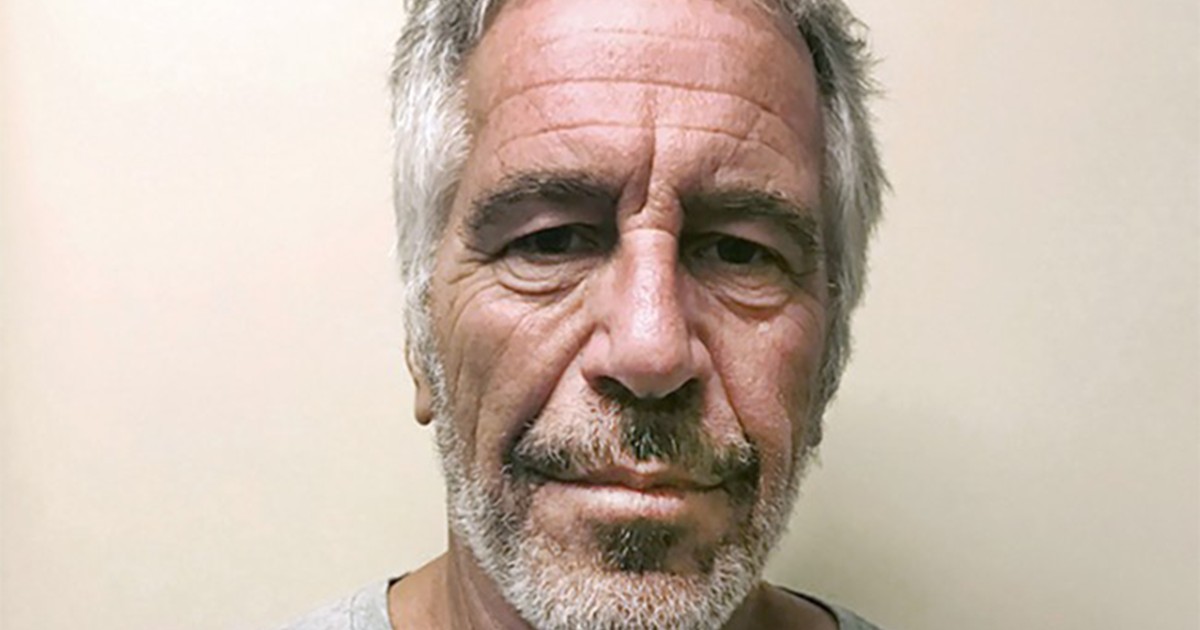
A newly unsealed document called a suicide note has surfaced in the Jeffrey Epstein story, stirring the same mix of suspicion and partisan spin that has followed the case for years.
The leak of a document tied to Jeffrey Epstein landed in the public square with predictable intensity and very little clarity. Epstein’s ties to powerful people make every disclosure feel explosive, even when it offers few new facts. The timing and handling of this release have left many asking whether it was responsible to make it public now.
From a conservative perspective, the last few years have shown how the left and the press will weaponize any Epstein-related detail to score political points. Right now, Democrats and much of the media are attempting to link Donald Trump to Epstein’s crimes despite a lack of evidence. Epstein survivors deserve respect, not partisan theater, and using their trauma as a political cudgel is ugly.
A federal judge has released a suicide note purportedly written by Jeffrey Epstein that was sealed for years as part of the criminal case of his cellmate.
BREAKING: A judge has released what authorities describe as an apparent suicide note written by late convicted sex offender Jeffrey Epstein. pic.twitter.com/Aa0SY5gXXq
— Breaking911 (@Breaking911) May 7, 2026
“They investigated me for month — FOUND NOTHING!!!” the note begins, adding that the result was charges going back many years.
“It is a treat to be able to choose one’s time to say goodbye,” the note continued.
“Watcha want me to do — Bust out cryin!!” the note reads.
“NO FUN,” it concludes, with those words underlined. “NOT WORTH IT!!”
Mr. Epstein’s cellmate, Nicholas Tartaglione, said he discovered the note in July 2019 after Mr. Epstein was found unresponsive with a strip of cloth wrapped around his neck. Mr. Epstein survived that incident, but he was found dead weeks later at age 66 in the now shuttered Metropolitan Correctional Center in Lower Manhattan.The note was made public on Wednesday by Judge Kenneth M. Karas of Federal District Court in White Plains, N.Y., who oversaw the cellmate’s case. The judge acted after The New York Times petitioned the court last Thursday to unseal the document and published an article in which Mr. Tartaglione described the note and how it came into his possession.
The Times has not authenticated the note, which was placed on the court docket Wednesday evening. The note repeats a saying — “bust out cryin” — that Mr. Epstein wrote in emails. It included another phrase — “No fun” — that Mr. Epstein also used in emails, as well as in a separate note found in his jail cell at the time of his death.
The document unsealed on Wednesday remained hidden from public view even as the Justice Department released millions of pages of documents related to Mr. Epstein in a move required by a new law. The Times searched those records and did not find a copy of the note. (A spokeswoman from the Justice Department said the agency had never seen it.)
The provenance of the note matters. Nicholas Tartaglione’s account places discovery in July 2019 after an earlier episode in which Epstein was reportedly found unresponsive. Epstein survived that episode, but he died weeks later while in federal custody. Judge Kenneth M. Karas placed the note on the court docket after a petition to unseal, which is how it reentered public view.
Officials and the press disagree on what, if anything, the note proves. The New York Times has not authenticated it, and the Justice Department says it hadn’t seen the document. Still, some phrases mirror language found in Epstein’s emails and in other notes discovered around the time of his death, which fuels speculation about authenticity.
Conservatives point out that this release does not change the core facts: Epstein raped and trafficked victims, corrupting many lives, and those crimes should be the focus rather than endless conspiratorial detours. FBI Director Kash Patel has publicly stated that Epstein’s death was unquestionably a suicide, a view that many on the right accept while acknowledging why others remain suspicious. The Clinton connection and Epstein’s reach into elite circles will keep feeding skepticism and, yes, a torrent of memes.
Beyond the forensics of a single document, the political use of Epstein’s victims has been disturbing to watch. Turning survivors into props for an agenda undermines their dignity and distracts from accountability. Responsible reporting would center survivors, evidence, and clear answers rather than churn and accusation.
The unsealing of material by a federal judge does move the record forward, but it also raises questions about why certain documents emerge when they do. Courts will continue to sort access to files, journalists will push for transparency, and the public will parse what is revealed. For now, the note is public, the debates rage on, and the case remains a flashpoint for partisan narratives more than a source of final truth.