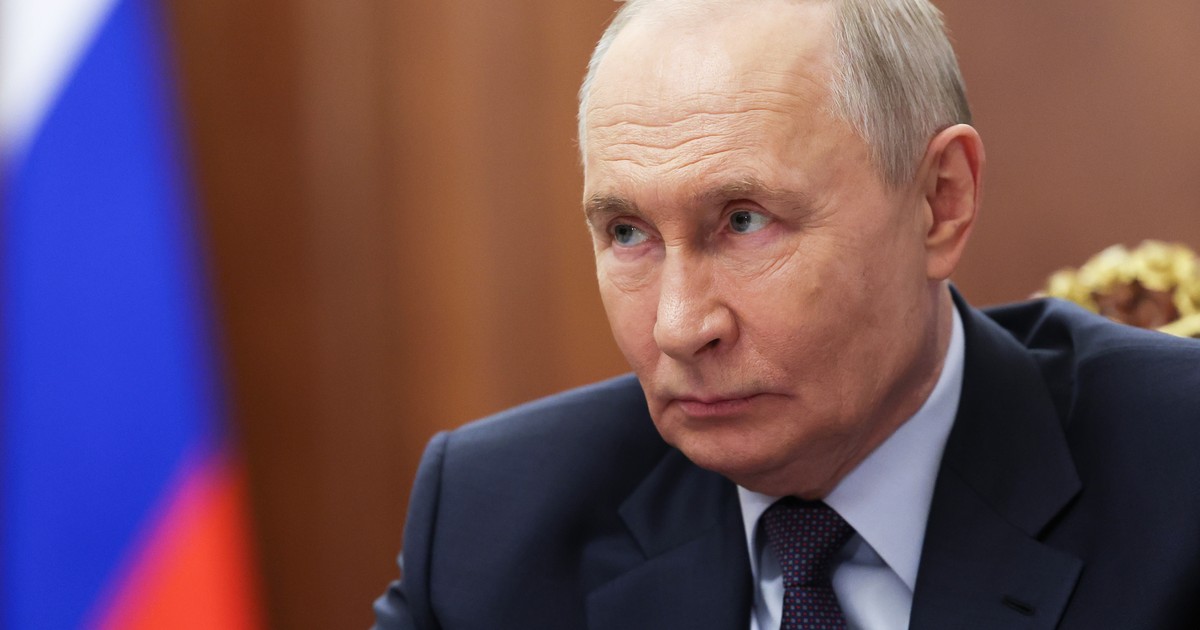
Russian President Vladimir Putin said he believes the Russia-Ukraine war “is coming to an end,” a remark that landed just after a three-day cease-fire was announced by former President Donald Trump and amid staggering casualty estimates. The conflict began in February 2022 and has reshaped geopolitics and European security. Headlines now track claims, counterclaims, and what any genuine wind-down would mean on the ground.
Putin’s comment that the war “is coming to an end” arrived as leaders and media weighed competing narratives about progress and setbacks. Short statements like this can be aimed as much at domestic audiences as international ones. That makes simple acceptance of the claim risky without clear, verifiable steps on the ground.
The conflict, which began in February 2022, has left a deep human and material toll across the region. In public reporting the death toll is cited as roughly 1.8 million people, a number that underscores the scale of the human tragedy involved. Those figures are what policymakers and citizens must keep in mind when considering any talk of closure.
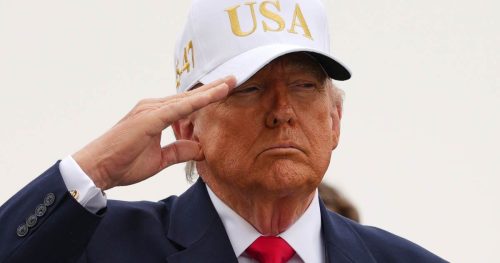
On the diplomatic side, a three-day cease-fire was announced by Donald Trump, a move that injected a new variable into the crisis. Short pauses in fighting can create space for talks, prisoner exchanges, humanitarian relief, and assessment. Yet cease-fires without solid verification and durable guarantees often prove temporary.
When a leader declares a war is ending, the key question is what comes next: withdrawal, guarantees, reconstruction, accountability, or a frozen conflict. Each outcome carries different security realities for neighbors and for NATO partners. The language of an end should be matched by timelines, verification mechanisms, and roles for neutral observers.
President Trump announces a three-day ceasefire between Russia and Ukraine beginning May 9, marking a historic pause in the war as Victory Day commemorations begin. pic.twitter.com/34gjIkLkAm
— Breaking911 (@Breaking911) May 8, 2026
For Republicans watching international shifts, skepticism and realism tend to dominate. A strong posture demanding clarity and enforceable terms makes sense, because vague pronouncements leave room for backsliding. The United States and its allies should press for concrete steps rather than accepting headlines as policy.
Any genuine cessation of hostilities needs transparent monitoring and tangible steps to demobilize forces and protect civilians. That means independent observers, humanitarian corridors, and documented cease-fire terms on paper and in practice. Without those measures, a pause can quickly become a prelude to renewed fighting.
Economic pressure and sanctions have been part of the broader response to the war, and they remain levers that can encourage compliance. At the same time, political bargaining will be intense over borders, security guarantees, and reconstruction aid. A negotiated end must balance punishment for aggression with incentives for stable peace.
The rhetoric from Moscow will be watched closely for signs of genuine retreat or tactical repositioning. Leaders who claim victory or closure while holding key objectives in place are likely managing perceptions more than resolving conflict. That is why independent verification and on-the-ground reporting matter so much.
For American policymakers, the calculus includes both strategic interests and domestic political realities. Republicans often emphasize deterrence and firm terms that protect allies and American influence. Any American engagement should insist on conditions that prevent a return to open warfare and safeguard future stability.
Humanitarian needs after years of fighting are enormous, and any cease-fire should prioritize civilians above all. Safe corridors, aid delivery, and reconstruction planning must follow initial pauses in the fighting. Failing to plan for the aftermath risks turning temporary calm into long-term suffering for ordinary people.
Military posture in the region will likely adjust based on what unfolds next, with allies reconsidering readiness and force posture. Deterrence remains essential, because a negotiated end that leaves the door open to renewed aggression is no end at all. Leaders should be judged by the durability of outcomes, not the soundbite of an announcement.
Media and officials will parse every signal, from troop movements to diplomatic notes, to determine whether an “end” is real. That parsing deserves sober, skeptical analysis rather than cheerleading or reflexive dismissal. Americans should expect clarity about terms, timelines, and verification if claims of closure are to be credible.
The coming days will test whether statements and short cease-fires translate into lasting arrangements or temporary pauses. Watch for verifiable steps, transparent monitoring, and concrete commitments from all parties. Without those, proclamations about the war’s end will remain hopeful words instead of durable peace.