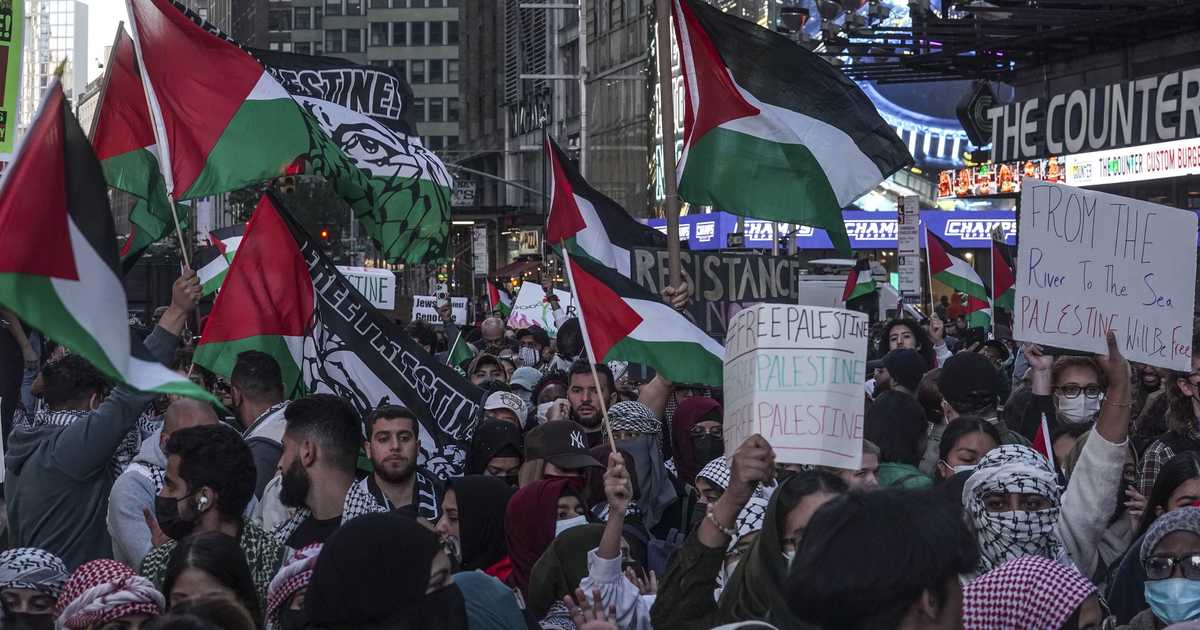
New York saw antisemitic mobs again, sparking heavy police action and sharp criticism of Mayor Zohran Mamdani and local leaders.
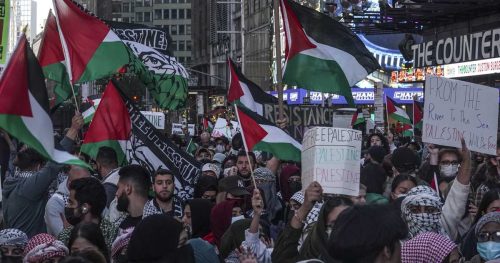
Last night, violent crowds targeted Jewish neighborhoods in New York City, forcing a large security response and leaving residents shaken. The scenes revived questions about city leadership and whether Jewish communities can expect protection and support. Voices across the city reacted with anger over how officials have handled rising threats and harassment.
Critics point to Mayor Zohran Mamdani as part of the problem, arguing his early decisions signaled indifference to antisemitic violence. He reversed policies established under the previous administration and used his veto power in a way opponents say blocked practical steps to fight antisemitism. That sequence of actions has hardened perceptions that the mayor’s priorities are out of step with the safety concerns of Jewish New Yorkers.
Observers also highlight Mamdani’s public history around the October 7, 2023 attacks, noting his presence at a pro-Hamas rally shortly after the slaughter in Israel. Coverage and witnesses say his actions that day sent a message to many that he is not an ally in confronting violent antisemitism. Those moments remain part of the backdrop as mobs again roamed Jewish neighborhoods last night.
What happened on the streets was brutally direct: protesters turned their anger toward synagogues and homes, not policy debates overseas. This was a show of force aimed where people live, and it clearly targeted Jewish residents rather than focusing on distant political issues. Communities required heavy police protection simply to ensure basic safety and to prevent escalation.
Hamasniks are marching through the streets of Brooklyn attempting to intimidate Jewish families
This was never about Israel. It was always about targeting Jewspic.twitter.com/dAmEGB6xOL
— Ari Hoffman (@thehoffather) May 12, 2026
Hundreds of NYPD officers were deployed to keep people safe as the crowds advanced and tensions spiked. The scale of the response underlined how serious the situation became and how much fear it created among families, elders, and worshippers. For many, seeing such a mass mobilization of law enforcement was both necessary and chilling.
There’s a growing sense that public officials would treat similar unrest differently if it occurred in other neighborhoods. Many argue that demonstrations threatening predominantly Black or Muslim areas would be shut down more quickly and forcefully. That perceived double standard fuels anger and reinforces the belief that Jewish safety is not being prioritized.
Local political figures are also under scrutiny; critics say some rhetoric from city leaders has enabled the chaos. The Brooklyn Borough President’s comments, for example, have been read by some as encouragement rather than a call for calm and protection. When political leaders fail to take a hard, unequivocal stand against violence, the city looks weaker in the face of organized hostility.
The hate on display is not just political theater; it’s frightening and physical for those targeted. Many residents described harrowing encounters and a city landscape that felt unsafe for the first time in years. These experiences leave deep scars that basic promises and press statements can’t easily erase.
Some protests and marches have clear ties to groups that support violence and terrorism, which raises the stakes for public safety and policy. When demonstrations cross into endorsement of terror, communities deserve decisive action and accountability from those in power. Allowing these impulses to flourish on the streets only normalizes extremist views.
People should understand that these threats don’t stay confined to one borough or city block; antisemitic violence spreads if unchecked. The patterns we see in New York could easily appear elsewhere, and local officials everywhere should take note. If city leaders fail to act, the consequences will ripple out across the region.
Journalists and commentators are covering related stories, and some pieces have ignited fresh anger about media bias and cultural narratives. Coverage that seems to excuse or downplay the violent elements of these demonstrations adds insult to injury for victims. That disconnect between reporting and lived reality fuels frustration among ordinary citizens watching their neighbors suffer.
There’s also a political angle: some Democrats who once dismissed concerns about antisemitism now face pressure to respond more forcefully. A handful have publicly acknowledged the problem, but many activists and voters say those acknowledgments are overdue. Until officials translate words into concrete protections and prosecutions, distrust will persist.
The targeting extended beyond adults; reports of threats against children and families have stirred widespread condemnation. Incidents tied to groups with known extremist affiliations show how dangerous the environment has become for Jewish kids and their parents. Communities demand real deterrence, and they expect leaders to provide it without equivocation.
Voices across the political spectrum are warning that the left’s rising antisemitism needs a firm rebuttal, and a few prominent figures have left parties in protest over the trend. Those departures and public rebukes underscore how serious and divisive the issue has become within politics and civic life. For many, the test now is whether elected officials will match rhetoric with action.
The broader debate includes commentary pointing to a cultural shift that worries many Americans, with stark language appearing in opinion and social threads. “Muslims in America are becoming increasingly more dangerous. This will not end well,” Maalouf wrote. That line captures the alarm some feel about a national environment where threats to minority communities are rising.
That fear is fueling calls for firmer policing, smarter intelligence, and clearer political leadership to protect vulnerable communities. Citizens and local organizations are pushing for measurable steps to prevent another night like this one. Until those changes happen, Jewish neighborhoods in New York will remain on edge.