The Department of Homeland Security says a recent ICE probe uncovered more than 10,000 suspicious Optional Practical Training placements, exposing a widespread pattern of student visa abuse tied to fake employers and sham addresses across several states.
The ICE investigation, announced by DHS, flagged over 10,000 potential cases involving students on OPT who appear to be linked to questionable employers rather than bona fide U.S. work placements. Officials describe a mix of fraudulent paperwork, fabricated company records, and shell arrangements that let foreign nationals appear employed while actual supervision and management occur elsewhere.
Investigators identified clusters of suspicious activity in Virginia, Texas, Georgia, Illinois, New York, New Jersey, North Carolina, and Florida, among other places. According to the agency, those patterns include false addresses and employers listed on training documentation, creating the illusion of lawful OPT participation where it does not exist.
🚨 HOLY SMOKES. ICE has just announced a jaw-dropping fraud bust, saying 10,000 FOREIGN students are involved in the federal government's Optional Practical Training
There are EMPTY BUILDINGS where HUNDREDS of students should be "working" as part of their ability to be in… pic.twitter.com/vmaKvrcBaT
— Eric Daugherty (@EricLDaugh) May 12, 2026
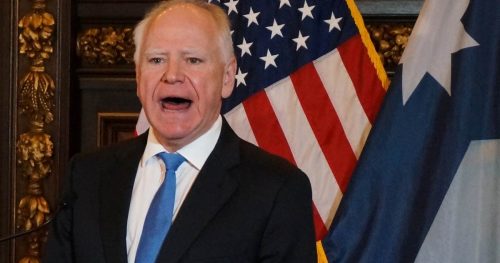
“Today, we are announcing that we have found over 10,000 who claim to be working for highly suspect employers,” Acting ICE Director Todd Lyons said at a press conference. “This is only the tip of the iceberg. Over the past year, we dramatically expanded our oversight of OPT and can report that we found fraud nationwide.”
The Optional Practical Training program, or OPT, allows foreign nationals admitted on student visas to work in the United States for up to 12 months and can serve as a path toward an H-1B visa. That structure is meant to give international students hands-on experience, but it has also created openings for exploitation when oversight is lax.
Authorities say much of the scheme relied on paperwork showing U.S. employers and U.S.-based training while actual control and supervision were handled offshore. Much of the fraud is said to have been facilitated by Indian companies, who have scurried around requirements that management and trainings be hosted by American companies.
An investigator noted the specific abuse of the training requirement, pointing out how some firms list local managers and training dates on forms while directing real instruction and oversight from overseas. “OPT employers are required to directly train foreign students, but we’ve seen multiple examples of alleged employers claiming that all management is overseas in India,” one investigator said.
Officials described a mix of tactics used to avoid detection: fake office addresses, shell employers that exist mostly on paper, and arrangements in which local contacts are nominal while substantive work is routed to entities outside the United States. These setups complicate verification and allow individuals to remain on work authorization without meaningful U.S.-based employment.
The ICE probe involved reviewing employer records, training documentation, and employer-student relationships to find inconsistencies and signs of manufactured placements. That oversight push grew over the past year, and the agency says it intends to continue targeting suspect employers and patterns that suggest systemic abuse.
The latest investigation by ICE comes after the Trump administration was the first to have accomplished net negative migration in 50 years. Federal officials say the OPT findings underscore ongoing vulnerabilities in visa programs that require stronger checks and more transparent employer accountability.
For now, the case files list thousands of potential violations that could prompt administrative or criminal action depending on the outcomes of follow-up inspections and audits. Authorities emphasize that the discovery of widespread irregularities will shape how OPT is monitored going forward, with an eye toward preventing the misuse of student work authorization.