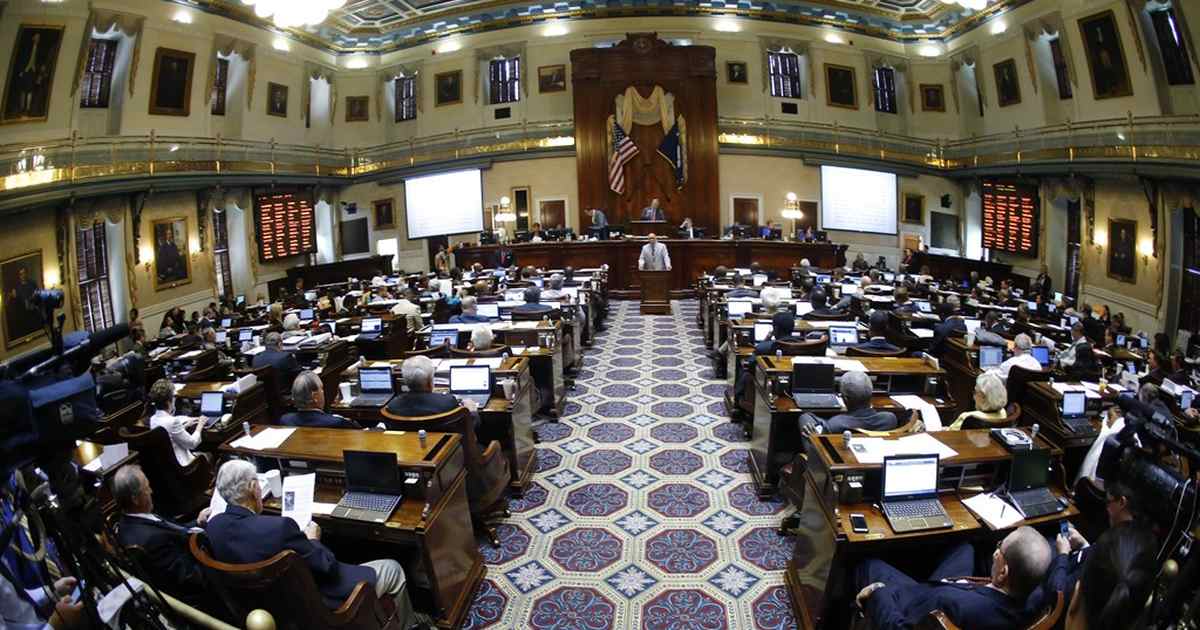
South Carolina’s redistricting fight landed hard in the Senate, leaving a map rewrite stalled and a lot of anger among Republicans.
The state House did its part and passed a new map intended to respond to the Supreme Court’s limitations after Louisiana v. Callais, which tightened rules on race-based apportionment under the Voting Rights Act. That left the job to the state Senate, where internal splits and procedural maneuvers derailed the effort. What should have been a predictable follow-through turned into a public lesson on how politics and process collide.
A block of nine state senators ended up blocking a plan many Republicans supported, and the division looks both ideological and tactical. South Carolina has seven congressional districts, and one—represented by James Clyburn—registers as D+13, so any redraw stirs real strategic concerns. Senate Majority Leader Shane Massey has been openly resistant, warning that attempts to force a full partisan sweep could backfire and produce worse results.
House members argue the map preserved competitive balance and respected the Court’s guidance, but the Senate’s refusal stopped it cold. Four of the nine holdouts reportedly changed positions, and the conversation about who flipped and why has only made the split more toxic. The House subcommittee approved the new map on a 3-2 vote, but that support did not carry the measure across the full Senate floor.
🚨BREAKING: South Carolina’s NEW redistricted map passes House subcommittee 3-2!
It’s off to Full Judiciary which will take it up immediately!
Keep contacting your senators! pic.twitter.com/31LwHMz900
— Adam Morgan (@RepAdamMorgan) May 12, 2026
Read that again.
29 senators support redistricting!
So how did it fail?
Because Governor Henry McMaster refused to call a special session forcing the Legislature to call themselves back—that requires a 2/3rds vote instead of simple majority.
Only 5 RINO senators were able to kill it.
We must DEMAND our Republican Governor call a special session if no Redistricting Resolution is passed!
Those lines of attack are loud and direct. The piece of the story that turns heads is how a relatively small number of senators could stop a plan backed by 29 colleagues. Political observers on the right are framing this as betrayal; procedural experts see a classic case of how supermajority rules can be weaponized by a determined minority.
The article named “The list of traitors:” and then pointed readers to a follow-up embed for the roster, underscoring the raw energy behind the outrage. Naming names is meant to put pressure on incumbents and make accountability political rather than just rhetorical. That approach is exactly what some activists want heading into the next campaign cycle.
National figures were watching, and the response from supporters of the map was immediate and tough-minded. President Trump reportedly had his eye on the vote, and activists kept the “Indiana treatment” for recalcitrant Republicans in play as an example. The Indiana reference points to a small set of midterm consequences where primary challenges and voter backlash followed perceived betrayals.
The tally on the floor was 29-17 against the redraw, and the public explanation from opponents pointed to procedure and to skepticism about packing or cracking voters into districts. Critics of the failed effort argue that refusing a special session was a tactical surrender by the governor, while defenders of the status quo say restraint prevented a rushed partisan grab. Either way, the politics now look raw and personal for a number of senators.
UPDATE: The push isn’t dead, and the next moves are entirely procedural and political. If the Senate blocks the Redistricting Resolution it can go back to the House, and the House has tools to force the issue into a position that could make a special session unavoidable. The arithmetic and timing around adjournment, sine die resolutions, and the budget create real levers for those determined to finish the job.
Here’s the next play—
If the senate blocks Redistricting Resolution it goes back to the SC House.
The House can simply nonconcur to Senate changes and refuse to pass a Sine Die Resolution (the resolution that calls them back for a special session).
This would allow the Governor to call a Special Session.
At that special session, Redistricting can pass by a simply majority instead of a 2/3rds vote.
You may say—but the Governor said he won’t call one!
True.
But likely his tune will change.
And even if [Gov.] Henry McMaster doesn’t, the state budget still hasn’t been passed… Hypothetically if the House doesn’t pass a final version of the budget by 5pm Thursday (adjournment/end of session), then the Governor MUST call them back for a Special Session.
The best part—the Governor can’t limit what the Legislature takes up at a Special Session. Redistricting WILL be on the table.
The question is do House Republicans have the fortitude to play hardball?
That procedural roadmap means this story is far from over and will likely move from the Capitol halls into voter-facing politics. Activists on the right will press governors and incumbents, while opponents will push narratives about stability and fairness. What unfolds next will be a mix of legislative chess and straightforward campaigning, and the stakes are unmistakably high for the 2026 cycle.