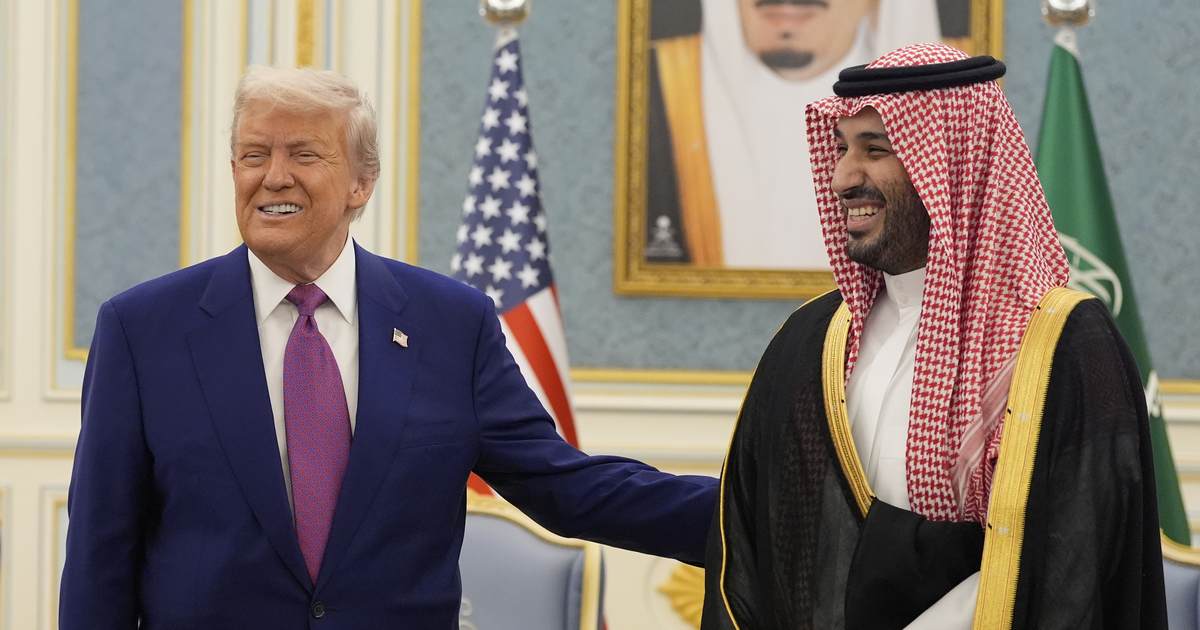
Operation Epic Fury appears to have shifted the regional balance, with new reports suggesting Gulf partners quietly took action alongside the United States and Israel, and U.S. leaders are now weighing the next steps as diplomatic and economic pressure on Tehran continues to mount.
Throughout Operation Epic Fury, several Gulf countries publicly signaled willingness to join the United States and Israel in targeting Iranian capabilities, yet most of that cooperation remained unseen and the battlefield picture looked, to outside observers, largely American and Israeli. Now fresh reporting indicates Saudi Arabia and the United Arab Emirates may have gone beyond words and carried out covert strikes inside Iran, a development that would change how we think about regional resolve. If true, these actions reveal Gulf capitals moving from rhetorical support to concrete, risky steps meant to curb Tehran’s reach.
The possibility that Saudi and Emirati forces fired missiles or ran clandestine operations against Iranian targets suggests a deeper, more pragmatic alignment across the Gulf, one driven by shared fears of Iran’s proxies and nuclear ambitions. This kind of cooperation would reflect years of frustration with Tehran’s expansionist behavior and a determination to blunt it without relying solely on American troops. Those Gulf states have plenty of motive to act: protecting borders, limiting militia operations, and signaling to Tehran that its regional war-making has real costs.
From Washington’s point of view, any quiet participation by Gulf partners helps distribute risk and complicates Iran’s calculations, but it also raises the danger of miscalculation and escalation when multiple actors operate off the public record. Covert strikes can be an effective tool when carefully managed, yet once they become known the political fallout can be swift and messy, forcing leaders to explain actions they prefer to keep deniable. The current situation appears to be a strategic gamble: apply pressure while avoiding an overt regional conflagration.
🚨 HOLY CRAP! Now, SAUDI ARABIA has launched missiles inside Iranian territory, on top of the United Arab Emirates
Saudi Arabia and the UAE have BOTH joined President Trump and Israel
Iran made a huge mistake. Imagine if the fighting resumes.
"Reports say UAE has been carrying… pic.twitter.com/Hwdqcsi238
— Eric Daugherty (@EricLDaugh) May 13, 2026
Reports of Gulf involvement come as the United States appears poised to resume pressure on Tehran after months of negotiations that administration officials say produced little in the way of meaningful concessions, and economic squeeze from sanctions and blockades has yet to force a change in behavior. Iran remains under severe financial and logistical strain, but the regime has shown a willingness to absorb pain rather than give up strategic gains or its proxy networks across the region. The next moves Washington takes will test whether diplomatic leverage and international pressure can bend Tehran or whether kinetic pressure must be increased to change the calculus.
President Trump has signaled urgency about the ceasefire’s viability, bluntly saying the current agreement is on “life support.” That phrase captures the administration’s impatience with drawn-out bargaining and reflects a readiness to shift back toward military options if diplomacy stalls, a posture that plays well for allies who want decisive action. For Republicans who favor strength over endless talks, a clear, enforceable approach that combines sanctions, partner operations, and targeted strikes is the obvious path forward.
On the diplomatic front, high-level meetings with China loom, and the United States will press Beijing to do more to limit Tehran’s capacity to finance and arm its partners, since China still imports significant Iranian oil. Beijing has an economic stake in regional stability but also a strategic interest in keeping energy flowing and protecting its investments, so Washington will emphasize the leverage China enjoys—and the responsibilities that come with it. If China moves to tighten the screws on Iran, the combined pressure could force Tehran to reconsider some of its external adventurism.
Regional politics have real consequences: Gulf states that once hedged their bets are increasingly making clear choices about who they see as the greater threat, and those choices are altering operational dynamics on the ground and in the skies. That shift matters because coordinated pressure from a coalition of U.S. allies reduces the burden on American forces and complicates Iran’s ability to respond selectively without risking a broader response. From a strategic view, turning aligned sentiment into interoperable action is the next test for coalition warfare in the Middle East.
Editor’s Note: For decades, former presidents have been all talk and no action. Now, Donald Trump is eliminating the threat from Iran once and for all. This view reflects a belief that decisive, coordinated pressure—economic, diplomatic, and military—is the only reliable path to curbing Tehran’s malign behavior and protecting American and allied interests. The stakes are high, but so is the appetite among partners for tangible results rather than empty promises.
Whatever the immediate outcome, the emerging picture points to a region where alliances are shifting, patience with Iran is limited, and leaders prefer concrete steps over protracted negotiations that produce little change. Policymakers in Washington and allied capitals will need to weigh the gains of joint, deniable action against the risks of escalation, while keeping channels open for diplomacy that actually delivers on stopping Tehran’s destabilizing campaigns. The choices made now will shape the region’s strategic balance for years to come.