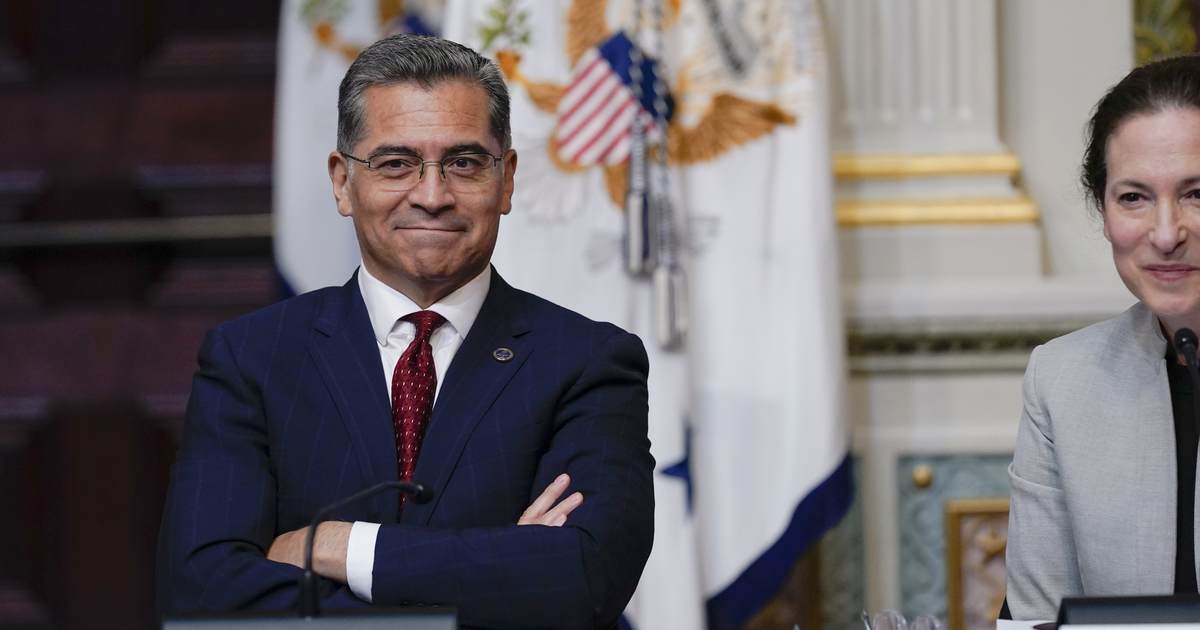
Xavier Becerra’s KTLA appearance highlighted sharp contradictions on missing migrant children and his handling as HHS secretary.
Last week’s California governor’s race debate and a follow-up KTLA interview focused attention on Xavier Becerra’s tenure at Health and Human Services, where he insisted there were no lost kids under the Biden administration. Independent oversight repeatedly reported otherwise, and the Department of Homeland Security inspector general flagged hundreds of thousands of problematic cases, including more than 448,000 unaccompanied minors who passed through HHS systems. Those numbers and the failures they imply have become central to critiques of Becerra’s competence and judgment.
The Trump administration later tracked down thousands of those children, uncovering cases of trafficking and abuse that underscore the stakes of poor oversight. Voters watching the KTLA exchange saw a former cabinet secretary fumble when confronted with specific reporting tied to his agency. That interview did serious damage to Becerra’s credibility among people who expect clear answers from public officials responsible for children’s safety.
“During your time as HHS Secretary, a New York Times investigation found the health department couldn’t find some 85,000 children it had released,” said reporter Annie Rose Ramos. Becerra pushed back hard and fast, denying the phrasing and disputing the claim in blunt terms. The confrontation moved from a factual dispute into a credibility fight about what federal records and reporting actually show.
“That’s not accurate,” Bercerra interrupted. “What you just read is not accurate. First, that’s what I’ll say. Because it was never the case that we could not find kids. You’re … I don’t know if you got those talking points from Donald Trump.” Ramos answered the attribution plainly. The back-and-forth showed a secretary on the defensive, more focused on framing than on addressing the substance of the reporting.
KTLA just ended Xavier Becerra pic.twitter.com/oMuWmbdm8n
— Kevin Dalton (@TheKevinDalton) May 12, 2026
“It’s from a New York Times article,” Ramos replied. Becerra continued to contest the piece, arguing the paper misinterpreted the data. He insisted the paper said sponsors and children did not respond to outreach, which he claimed is not the same as the agency being unable to find them.
KTLA then displayed a screenshot from the reporting that read, “While HHS checks on all minors by calling them a month after they begin living with their sponsors, data obtained by the Times showed that over the last two years, the agency could not reach more than 85,000 children. Overall, the agency lost immediate contact with a third of migrant children.” That excerpt undercuts Becerra’s insistence that no systemic failures occurred and forces a harder look at the agency’s real-world outcomes.
“Working overnight in slaughterhouses, replacing roofs, operating machinery in factories. Children as young as 14 years old,” Ramos read from the report. Becerra pushed responsibility to the period after HHS custody, but the trajectory from agency release to exploitation is the critical chain people want explained. When thousands of vulnerable children disappear from effective oversight, blaming what happened after release does not satisfy concerns about institutional accountability.
“That part occurred after these children had left the care of the Department of Health and Human Services,” Becerra said. Ramos pressed on, asking, “Do you let these children go into those individual sponsors, and their responsibilities?” The exchange made the central policy question obvious: what mechanisms were in place to protect children once they left federal care, and why did so many slip out of contact?
“Some of these kids, probably because they needed to earn some money, started working places that were very exploitative,” Becerra replied. Even conceding exploitation still raises the question of why the agency did not prevent predictable outcomes. The public wants clear accountability when a federal program meant to protect minors produces results that include trafficking and abuse.
Internal warnings and reports, including those highlighted by watchdogs, suggested serious vulnerability in the HHS system while Becerra led the department. Those warnings appear to have been either ignored or minimized, and the KTLA segment focused attention on that gap between internal concern and public statements. For many voters, the interview was not just a poor media moment; it was evidence of administrative failure that has real human costs.
After that exchange, commentary across the spectrum questioned whether Becerra’s approach to oversight and accountability is fit for statewide leadership. Critics argue that steering an agency responsible for needy children requires rigorous procedures, transparency, and admission of errors when they happen. The KTLA interview exposed a pattern of deflection rather than explanation, and those reactions will follow Becerra through the campaign season.