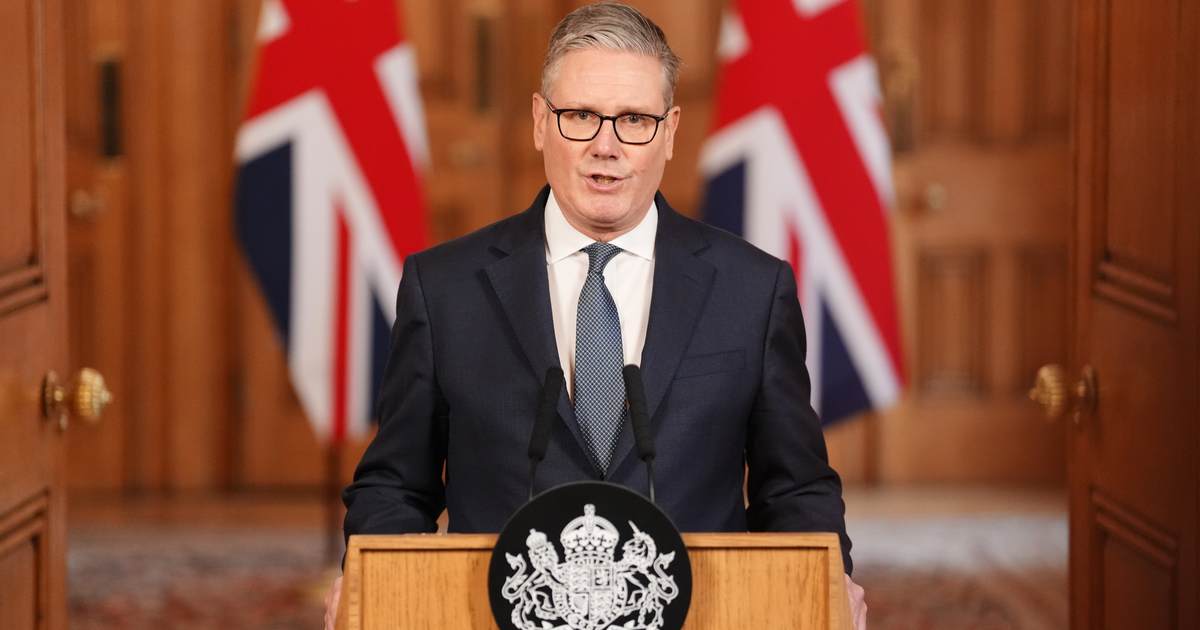
Britain’s local elections delivered a shock: Labour bled council seats while Nigel Farage’s Reform UK surged, and pressure is mounting on Keir Starmer’s leadership.
The recent local elections in England toppled long-standing expectations, with Labour surrendering more than 1,300 council seats in a single night and Reform UK picking up over 1,400 local seats. Those numbers aren’t minor swings; they signal a serious shift in voter attitudes about immigration, cost of living, and trust in the political class. Voters punished incumbents and rewarded an insurgent message that promises to shake up status quo politics.
Many within Labour are openly asking whether Keir Starmer can survive this rout, and the calls for his resignation are growing louder. This is not just about local councillors; it’s a challenge to a party that only recently returned to power at the national level. The Conservative collapse alongside Labour’s losses suggests the old two-party dominance is fraying and that new alignments are taking hold.
🚨 HOLY CRAP! UK PM Keir Starmer has LOST over 1,303 Council seats
His Labour Party has lost WALES for the first time in 100 years
Nigel Farage's Reform SURGED over +1,400 seats! 🤯
THE PEOPLE ARE FURIOUS!
Take your country back! 🇺🇸🇬🇧 pic.twitter.com/8JIykhWKyz
— Eric Daugherty (@EricLDaugh) May 9, 2026
The United Kingdom’s governing Labour Party and the opposition Conservative Party, which together have dominated British politics and seated every prime minister for more than 100 years, both took a gut punch in a major round of local elections on Thursday.
For Labour leader and current Prime Minister Keir Starmer, the heavy losses on city councils across England, even with votes still being counted in Scotland and Wales, paint a bruising picture.
Starmer took office less than two years ago, after Labour won a landslide in the last national parliamentary elections. In Thursday’s voting, the party lost more than half of its seats on local councils, fueling renewed calls for Starmer to resign as leader of both his party and the country.
The biggest winners of the night appeared to be Nigel Farage and his right-wing populist party Reform UK, which made significant gains across England.
Right-leaning voters see a clear pattern: parties that ignore immigration and cultural concerns get punished, and populist alternatives benefit. Inside Labour, unease is obvious; rank-and-file members and local officials are asking whether Starmer’s brand of managerial politics can win back skeptical voters. Comparisons to U.S. politics are unavoidable, with critics noting parallels to other leaders who failed to read the room and lost credibility.
Reform UK’s gains reflect more than a charisma play; they tapped into tangible voter grievances about public services, safety, and who gets priority in a strained economy. Nigel Farage’s messaging on migration and sovereignty resonated in suburban and exurban wards that felt neglected by the establishment. That appeal extends beyond protest votes; it’s building a disciplined base that could reshape national contests.
We’ll keep track, but this rebel faction is growing.
The political consequence is clear: Britain may be entering a multi-party era where coalition math matters more than party branding. Conservative and Labour strategists now must reckon with Reform as a durable force, not a flash in the pan. That changes campaigning, vote-splitting calculations, and what policies make it to the fore before the next general election.
For voters skeptical of centralized solutions, the results are a warning to both major parties that competence alone won’t carry them. Messaging that ignores concerns about borders, crime, and economic fairness leaves space for populists to define the debate. If Labour wants to stop the bleed, it must reconnect with working voters who felt taken for granted after the last national win.
From a Republican perspective, the takeaway is familiar: when establishment parties ignore cultural and security issues, insurgents step in to represent those voters. Reform’s rise is a reminder that political energy flows to parties that promise concrete change and show willingness to challenge consensus. Expect more pressure on Starmer and louder demands for a rethink of strategy across the center-left as local defeats turn into national headaches.