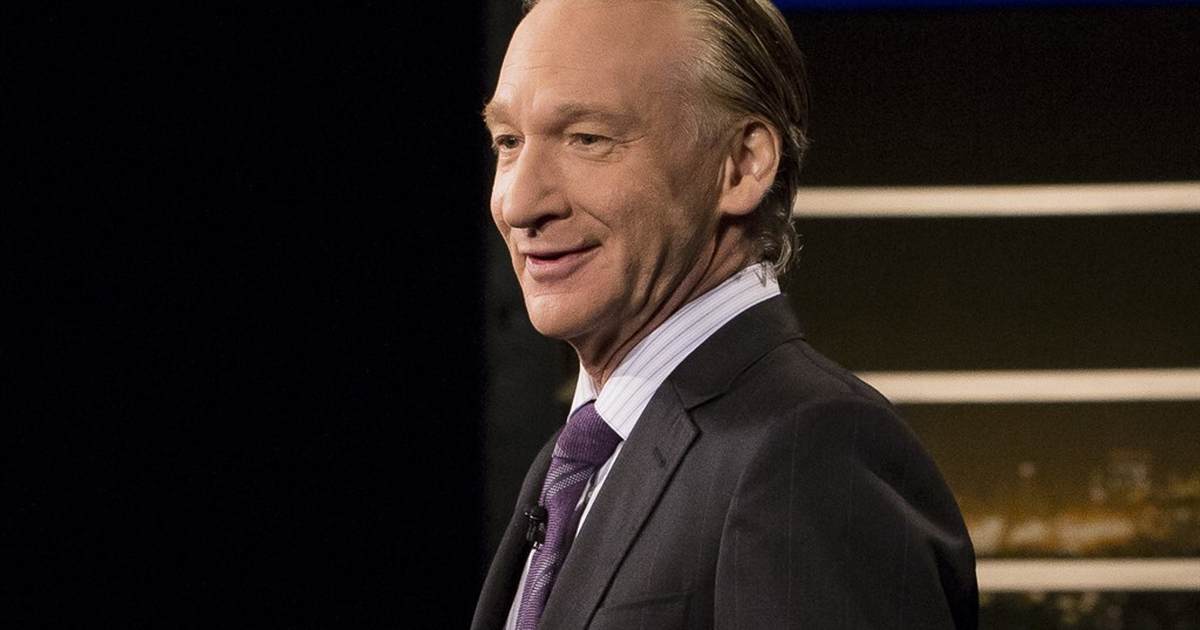
Bill Maher and guests clashed over claims about the United Kingdom, scholarships, and rising antisemitism, with former Mumford and Sons member Winston Marshall sharply criticizing a Cambridge provost’s dismissal of those concerns and insisting the warnings Maher cited are rooted in real events.
Earlier this month, Bill Maher mentioned the United Arab Emirates removing the UK from a list of countries eligible for state-sponsored scholarships, saying the decision referenced worries about radicalism. That line of argument visibly annoyed Gillian Tett, provost of King’s College, Cambridge, who pushed back and called the notion that London was turning into a no-go zone nonsense. Her reaction set up a tense exchange about how serious those concerns actually are and who gets to decide the narrative.
Maher and New York Times columnist Bret Stephens pointed to real incidents as evidence that the problem is not merely hypothetical, noting two Jewish people had been stabbed and targeted because of their background. The attacks, and the broader pattern they referenced, were central to the argument that antisemitism in parts of the UK is more than media noise. That concrete violence framed the rest of the discussion and forced guests to confront uncomfortable facts rather than abstract debates.
What’s happening in the UK has Bill Maher realizing just how “f*cked up” the country has become.
“Every time I think this country’s too woke, I look at what’s going on in your country, and I’m like, ‘Wow, these people are really f*cked up.’”
“How did England get so leftist?”… pic.twitter.com/Xikwh0p1aC
— The Vigilant Fox 🦊 (@VigilantFox) May 2, 2026
On Maher’s podcast Club Random, Winston Marshall — the former Mumford and Sons guitarist who previously stirred controversy for praising Andy Ngo’s book about Antifa — responded to Tett’s pushback with blunt disagreement. Marshall said Maher’s comments about the UAE scholarship move were accurate and that the UK does face a meaningful antisemitism problem that cannot be shrugged off. His intervention brought a sharper, more direct tone to the conversation than the polite disagreement that began on TV.
Marshall’s point was straightforward: dismissing decisions by foreign governments as baseless risks ignoring data and lived experience. He argued that if international partners perceive the UK as having a growing radicalism problem, those perceptions will affect scholarships, exchanges, and the safety calculus for families. For him, words matter and consequences follow when institutions downplay threats.
Maher also made a pointed observation on air about the optics of the situation. “If people are wondering why we’re dwelling on this, it’s because an Arab country thinks that England is more likely to radicalize their kids than their own Arab country,” Maher said. That line landed hard because it reframes the debate as one about relative safety and which societies are seen as protective environments for young people.
He added another challenge to critics who called his reporting inaccurate, drawing a line about on-air accountability. “You know what? It’s okay if somebody disagrees with me, but if you say I’m full of shit on the air, you better be right,” he added. The remark underlined the expectation that public pushback come with evidence, not just outrage or posture.
The exchange exposed a wider tension between establishment figures who want to manage reputations and commentators who insist on naming problems directly. Tett’s pushback reflected a concern about overstating issues and harming a city’s standing, while Marshall and others insisted that acknowledging reality is the only way to fix it. That disagreement is playing out in public forums where tone, evidence, and consequence collide.
For observers who worry about rising antisemitism, the debate isn’t academic: it is about safety, policy, and how other countries react. When foreign governments adjust programs because of perceived threats, those signals are concrete and carry diplomatic weight. Critics who downplay those moves risk dismissing both the people affected and the practical fallout of tarnished reputations.
The episode also speaks to a broader pattern of cultural friction: who gets to set the record and which institutions are trusted to assess risk. Guests on talk shows and podcasts aren’t just trading barbs; they’re shaping how audiences understand public safety and social trends. When a former musician-turned-commentator like Winston Marshall pushes back, it shifts the conversation from polite denial to a tougher, evidence-driven exchange.
Arguments like these will keep playing out across media and campuses, with consequences for policy, funding, and public trust. Voices on both sides will continue to spar over whether concerns are exaggerated or urgent, but the attacks and the diplomatic responses they provoke ensure the topic stays on the agenda. The clash between Tett and Marshall is just one front in a larger debate about truth, responsibility, and how societies respond to real threats.