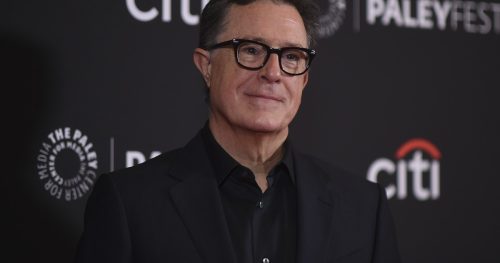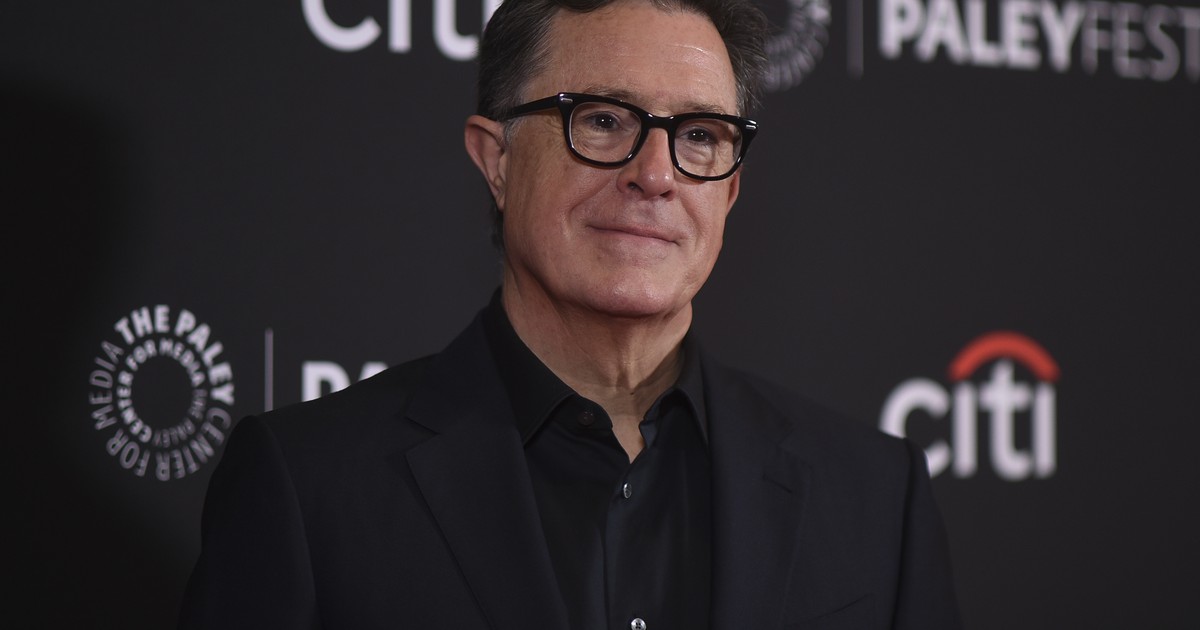
Stephen Colbert signs off amid collapsing late-night audiences and growing fatigue with partisan comedy.
Tonight marks the end of Stephen Colbert’s run on late-night television, and for many conservatives his departure feels overdue. The era when late-night meant variety, clever interviews, and a break from daily political battles has been replaced by shows that wear a political label. Viewers who want to relax at night drifted away, and networks made the pragmatic choice to cut losses. The result is a genre that, once a cultural staple, now looks increasingly hollow.
I often go back and watch clips from Johnny Carson or Dick Cavett and remember how late-night used to mix wit, curiosity, and genuine talent. Those hosts entertained without turning every monologue into a political sermon, so the programs felt inclusive rather than preachy. Carson left the air more than three decades ago, and Cavett walked away in the mid-1970s, yet their shows still look sharper than much of what replaced them. That contrast helps explain why audiences have evaporated.
Colbert and his contemporaries chose a different path, trading neutral entertainment for steady partisan messaging that doubled as nightly campaigning. Instead of hosting comedians and performers, these shows became platforms where Democratic talking points got recycled and amplified. It’s one thing to have a view; it’s another to use a once-private living room timeslot as a permanent campaign stage. That shift narrowed the audience and turned many former viewers off for good.
There’s a mental-health angle here, too: people want a break from politics after a long day, not another lecture about the latest culture war. Politics is the backbone of my work and plenty of conservatives thrive on it, but that’s not what everyone wants before bed. Late-night used to offer escape, not reinforcement of a political identity. Once the shows stopped offering that pause, their ratings began to slide.
Networks compounded the problem by rewarding hosts who doubled as partisan advocates instead of entertainers. When shows bleed viewers and advertisers alike, the economics decide the outcome. Colbert’s cancellation wasn’t an act of censorship or political targeting — it was a business move driven by falling ratings and shrinking revenue. Pretending otherwise only reveals the entitlement that some performers feel toward a platform they no longer earn.
Variety has even begun to wonder if politicizing late night was a mistake, and that debate is finally leaking into mainstream coverage.
The entire post reads:
Late-night was never supposed to play to a particular type of audience: #JohnnyCarson made fun of politicians, but mostly their public goofs, not their policies. #JayLeno rarely became political. And #DavidLetterman feuded with politicians but not over what they did in Washington.
In 2026, late-night shows are a wholly different creation.
“These shows were built to be vaudeville in the box in your living room,” says professor Dannagal Young, who studies political satire and the media preferences of liberals and conservatives. “They were a place to watch jugglers and clowns and funny people doing impressions. They were not made for this.”
The reaction to Colbert’s exit from the left framed him as a martyr to some vague assault on free speech, but that narrative doesn’t match the facts. If anything, networks gave Colbert and others plenty of time to prove their value despite sliding numbers. Keeping a failing show for months after cancellation hardly resembles the silencing that critics like to invoke. The market, not a shadowy cabal, made the call.
There’s a cultural fallout beyond one host’s cancellation: late-night used to be a place where jokes landed across political lines. Those days are fading. Instead of building common ground through satire that punches up equally, many modern hosts punch selectively and celebrate ideological conformity. That kind of comedy plays well to a narrow audience but fails as general entertainment.
Social media also ate part of late-night’s audience by making short clips and celebrity takes instantly available, but the real self-inflicted wound was the decision to turn nightly shows into partisan talking points. Rather than reinvent to compete with bite-sized content, many programs doubled down on politics and alienated casual viewers. Now several big names are on the chopping block, and networks will likely keep trimming until the format is rebuilt or abandoned.
Jimmy Kimmel’s show is scheduled to end next year, and others are almost certainly headed for the same fate unless someone reimagines late-night as entertainment first and political theater second. If networks want to revive the format, they’ll need fresh ideas that restore variety, curiosity, and real humor. Until that happens, viewers who want to unwind will keep looking elsewhere, and few will mourn the loss of nightly partisan lectures.
Has #StephenColbert’s push into politics hurt the late-night format?
Late-night was never supposed to play to a particular type of audience: #JohnnyCarson made fun of politicians, but mostly their public goofs, not their policies. #JayLeno rarely became political. And… pic.twitter.com/QwJ7AJR7mm
— Variety (@Variety) May 20, 2026