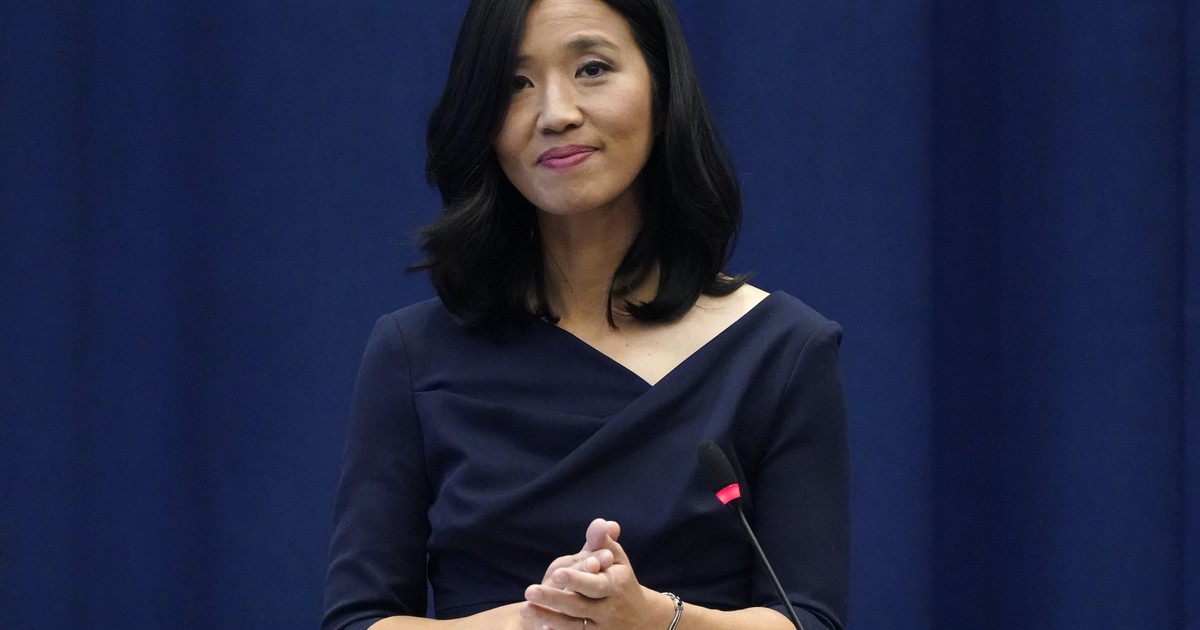
Boston politics hit a weird note when one city councilor argued that hiking Mayor Michelle Wu’s pay by $43,000 and boosting council salaries by $21,500 is the best safeguard against corruption amid a $70 million budget shortfall.
Boston’s City Council recently pulled back on a pair of pay increases after a sharp backlash, leaving a debate over whether more money for elected officials actually buys integrity. Councilor Sharon Durkan pushed back, saying the raises are needed so officers don’t “go towards something that’s really dark and negative.” That defense landed badly with voters watching city finances tighten.
The council voted to rescind the increases after concerns about priorities during a $70 million gap in the budget surfaced. Mayor Wu had her salary nudged up to $250,000 from $207,000, and councilors saw pay move to $125,000 from $103,500. Critics point out those figures while families and services face cuts and higher burdens.
Durkan claims higher pay prevents corruption, arguing that underpaid officials might resort to theft or kickbacks. That argument treats public service like a job that can be fixed only with cash instead of accountability, and it underestimates the role of ethics, oversight, and consequences. Suggesting a pay bump as the primary antidote to corruption is weak and, frankly, tone-deaf when budgets are strained.
The city council voted 9-3 on Wednesday against a measure to rescind the mayor’s $43,000 increase, and the council’s own $21,500 raise, amid a $70 million budget shortfall.
Woke Boston mayor must get $43,000 pay rise to her $200,000 salary to ensure she does not become CORRUPT, loyal colleague suggests
via @DailyMail https://t.co/nTMBFv7nSw pic.twitter.com/v8vsj8Qk9r
— Mass Daily News (@MassDailyNews) May 22, 2026
Wu, who won reelection last year, saw her pay increase to $250,000 from $207,000 in January. City councilors now earn $125,000, up from $103,500 last year.
During the meeting, Wu’s ally, Councilor Sharon Durkan, claimed the pay hikes were necessary to prevent politicians from resorting to theft or taking kickbacks.
‘We had a Council colleague … There was some corruption that took place on this body,’ Durkan said.
‘I do not want anyone that serves in this body to not be able to afford their life and to go towards something that’s really dark and negative.’
She appeared to be referring to the case of former councilor Tania Fernandes Anderson, who pleaded guilty last year to federal corruption charges.
The defense that pay solves corruption risks reads like an excuse: “Give me more money, or I’ll do illegal things,” isn’t a winning argument. That line crosses into a borderline threat dressed as policy. It suggests the problem is monetary rather than structural, which dodges real reform.
People often trot out the idea that crime and corruption spring from not having enough cash in their pockets, but that’s a shallow take on a complex issue. Plenty of folks raised with almost nothing never turned to theft or bribery; they made different choices because of values, community, and consequences. Pretending that a salary line item alone will fix ethical lapses ignores the need for strong oversight and swift punishment when lines are crossed.
Durkan pointed to past misconduct on the council, and that’s a fair concern in theory, but the cure should match the disease. You raise the standard for transparency, tighten procurement rules, fund independent audits, and make sure prosecutions follow fast when allegations arise. Tossing tax dollars at pay increases without reform is rearranging deck chairs while the ship lists.
Make no mistake: public service pays more than just a check — it comes with scrutiny, responsibility, and the public trust. If Boston wants to reduce corruption, it needs clear reporting, strong penalties, and a culture that rewards accountability rather than shielding insiders. Otherwise voters will rightly ask whether raises are a reward or a bandage.
At a minimum, any conversation about boosting pay should include concrete anti-corruption measures and a realistic accounting of city finances. If leaders want public buy-in, they have to show restraint when the budget is tight and prove reforms will follow any compensation changes. Until then, asking for big raises while services strain local wallets is a tough sell.