The Left will never stop rationalizing political violence, and that pattern shows up in shootings, assassination attempts, riots, and a double standard on law and order.
The trend is clear: violent attacks aimed at conservatives and public figures keep happening, and many on the Left respond with excuses or outright justification. From a Bernie supporter opening fire at the Congressional Baseball Game to multiple assassination attempts on high-profile conservatives, the incidents are not isolated. Those who point them out are dismissed as alarmists, while perpetrators are softened or given political context.
Consider recent cases that should unsettle anyone who values public safety. Luigi Mangione stands charged with murdering Brian Thompson, and some Democrats framed Thompson’s role as CEO of UnitedHealthcare — and routine denials of claims — as motive for murder. At the same time, there are attempts on Supreme Court Justice Brett Kavanaugh’s life and repeated plots against President Trump and other Cabinet members, which hardly fit the narrative of rare, accidental events.
There was also the killing of Charlie Kirk in Utah, an act that contradicts the narrative pushed by late-night commentary suggesting otherwise. When these crimes involve conservative figures, reaction from parts of the media and elite culture often minimizes the ideological angle. That selective outrage is part of the pattern: violent acts tied to left-wing causes get context or mitigation, while conservative protests generate labels like criminal insurrection.
Property destruction is treated the same way. Early in 2025, multiple Teslas were keyed and torched, which feels almost poetic given the Left’s push for electric cars as moral behavior. The question of who pays for the damage or how seriously it’s prosecuted often depends on the politics of the perpetrators and the political aims behind the vandalism. Arson, looting, and targeted destruction are sometimes recast as symbolic protest instead of criminal actions deserving of full enforcement.
That same selective framing showed up in 2020, when mass unrest tied to the Black Lives Matter movement unfolded during the pandemic. While many Americans were told to stay home and could not attend funerals for loved ones, large-scale riots went largely unchecked in many cities. Officials and pundits insisted such protests were exempt from the rules applied to everyone else, using euphemisms and moral priorities to explain the exceptions.
Critics were called names if they questioned lockdowns or mandates, accused of being ‘grandma killers’ and anti-science for objecting to sweeping public-health controls. But when riots followed the death of George Floyd, those same critics watched as curfews and bans seemed selectively unenforced. Suddenly, tactics that would be condemned in other contexts were framed as vital expression and even necessary to address systemic issues.
Supporters of those riots often described the damage as ‘very limited,’ even while the price tag and human toll told a different story. Estimates placed the cost at least $2 billion, surpassing the 1992 Los Angeles riots, and at least 42 people died in the unrest connected to that period. Critics who pointed to those figures were dismissed, while the moral framing around the protests overshadowed the material consequences for small businesses and neighborhoods.
Compare that to January 6, where property damage was relatively limited and there were no direct protest-related civilian deaths, yet the reaction from the political and media class was intense and sustained. The contrast is stark: identical or lesser harms attributed to conservatives drew criminalization and moral panic, while greater harms tied to left-wing protests were rationalized or minimized. This unequal enforcement and narrative shaping matters for public trust in institutions.
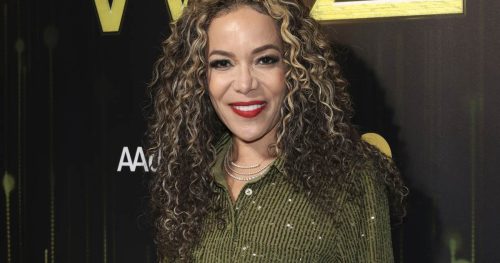
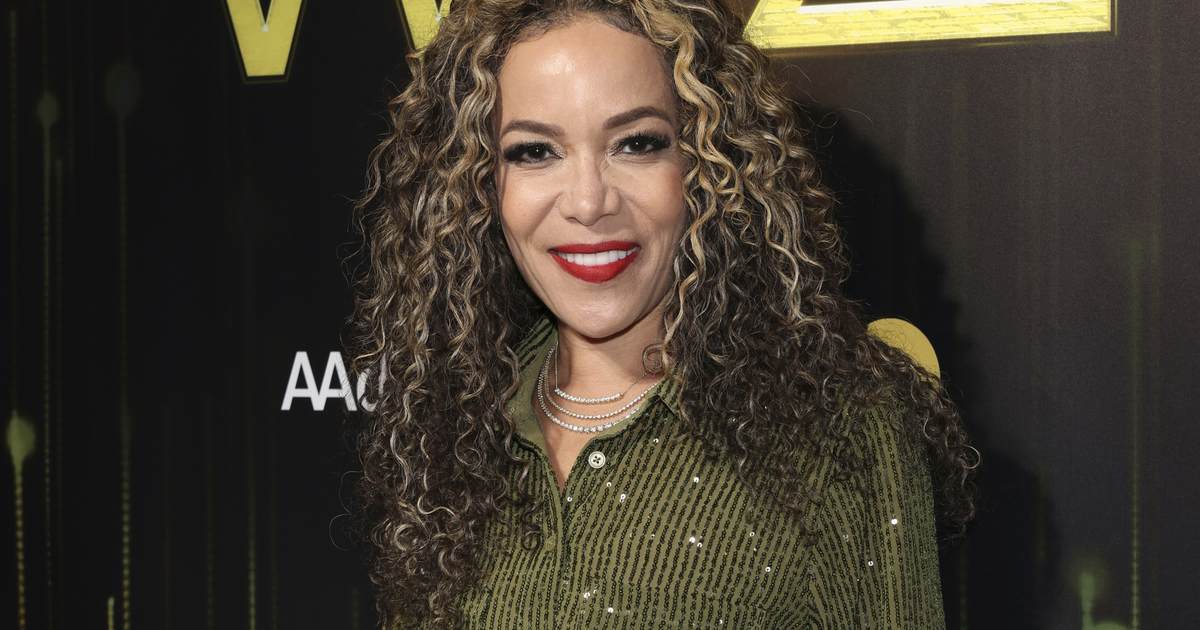
Sunny Hostin defends the deadly Black Lives Matter riots of 2020. She claims there was only "very limited destruction of property and violence." pic.twitter.com/8TWNsP2DEE
— Nicholas Fondacaro (@NickFondacaro) May 21, 2026
The pattern goes beyond riots. Left-wing activists have set up blockades and informal ID checkpoints in cities like Minneapolis, supposedly to protect migrants from immigration enforcement, and those actions were labeled ‘community safety’ rather than checkpoints or lawlessness. Meanwhile, political leaders on the Left, including figures who have promised to use government power against opponents, have signaled open willingness to weaponize institutions if they regain power. Names and promises from the center-left and left are now part of a wider concern that retribution, not reconciliation, will be the rule if political control flips.
That prospect shakes the foundations of a system where law and civil norms are supposed to apply equally. When media figures and elites applaud or excuse violence for reasons of politics or moral urgency, they normalize a dangerous double standard: violence and coercion for causes they approve, law and punishment for those they oppose. The result is a climate where threats and intimidation become tools of political struggle rather than aberrations to be universally condemned.