Personal experience from early 2020 and the policy chaos that followed explain why many Americans no longer trust public health authorities, and that loss of trust helps explain resistance to future guidance even when real threats arise.
I was working in a hospital at the start of 2020 and I’m convinced I had COVID in January. My unit was hammered by a contagious patient contact and I bounced back from an initial flu only to get a worse cough, fever spikes, and trouble breathing later that month. Staff shrugged it off as lingering influenza, and then everything changed in March.
From the beginning I warned that public health officials were eroding their own credibility by treating a survivable disease like a national emergency warranting sweeping social control. When leaders and agencies pushed heavy-handed rules, closed schools, and insisted on theater instead of targeted protection, they set a precedent that people remember. Trust is earned, and it was squandered on broad mandates instead of clear, proportionate measures.
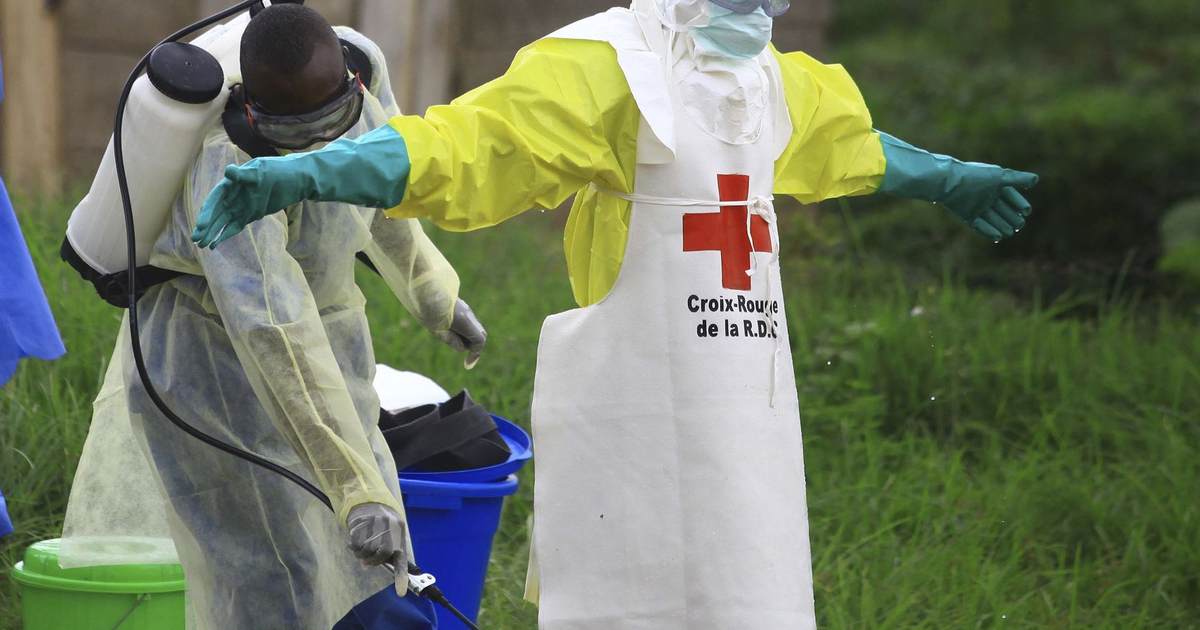
Now there are reports of Ebola outbreaks in parts of Africa and talk that people won’t comply with public health orders the way they did in 2020. The skepticism is not random; it’s the predictable result of the prior overreach and mixed messaging.
Public health depends on straightforward, honest communication. Instead, before COVID, political operatives and some media started labeling dissent as mis/disinformation, silencing critics and conflating political disagreement with public danger. That tactic convinced a lot of people that the real motive was control, not care, and once you think someone is acting out of politics, you stop trusting their science.
Part of that breakdown came from the culture wars bleeding into health policy. If speaking certain truths meant losing your job or being branded a pariah, many people saw censorship, not evidence, driving decisions. Saying basic things like “No, some women do not have penises.” became a career risk in some circles, which made whole swaths of Americans rightly suspicious of who was running the conversation.
If Ebola becomes a pandemic, it will be in no small part because millions of people now view public health measures as oppression rather than the most basic infrastructure of a functioning and sustainable civilization. https://t.co/al7OslXA2x
— Michael Moran | APC Injury (@internetuserf12) May 21, 2026
Social media amplified the problem. Instead of providing sober updates, some health officials and many providers leaned into performative content that looked more like entertainment than emergency response. Meanwhile units that were supposed to be overflowing sat empty for weeks and healthcare workers were reassigned to cover theater rather than critical need, which undercut credibility in real time.
The personal cost was real. My father was admitted with cellulitis that escalated to sepsis and renal failure, and hospital policies meant families were shut out. I brought him home on hospice so he wouldn’t die alone, and during that week the only clinical contact was a single nurse visit and an aide once. I handled most of the care myself, which left me physically drained for weeks.
Those stories are not rare. Families were forced to navigate dying and bereavement with minimal help because policy prioritized rules over bedside care. The images of clinicians dancing on social platforms didn’t help; they made it harder to believe the narrative that hospitals were overwhelmed and that strict, universal shutdowns were the only answer.
At the same time, political protests and violent unrest received a different kind of treatment, which reinforced the perception of selective enforcement and double standards. People noticed that mass demonstrations were tolerated while the everyday rituals of work, worship, and school were imperiled. That mattered more than officials seem to have realized.
We were told to accept sweeping measures for a disease with a 99 percent survivability rate for much of the population, yet the strategy could have been smarter and more humane. A targeted approach—protecting seniors and the medically vulnerable, encouraging outdoor activity and nutrition, and keeping children in school—would have limited harm without destroying normal life.
Instead, “two weeks to flatten the curve” stretched into months and then into policy inertia. Repeated extensions and moving goalposts created fatigue and resentment, and fostered a lasting reluctance to take orders from the same institutions next time. People learned to weigh guidance against prior failures, not just against abstract authority.
Ebola spreads differently than respiratory viruses, mostly through direct contact with bodily fluids, so the average person is unlikely to encounter it casually. That fact doesn’t mean you shouldn’t take sensible precautions like handwashing and avoiding infected contacts, but it does mean that common sense should guide personal behavior more than reflexive obedience to sweeping mandates.
When officials speak plainly and proportionately, people will often follow sensible advice. But after a long season of inconsistent rules, punitive censorship, and performative gestures, public health experts have a credibility deficit they created themselves. Many will now take precautions on their own terms rather than defer automatically to the same authorities who proved untrustworthy.