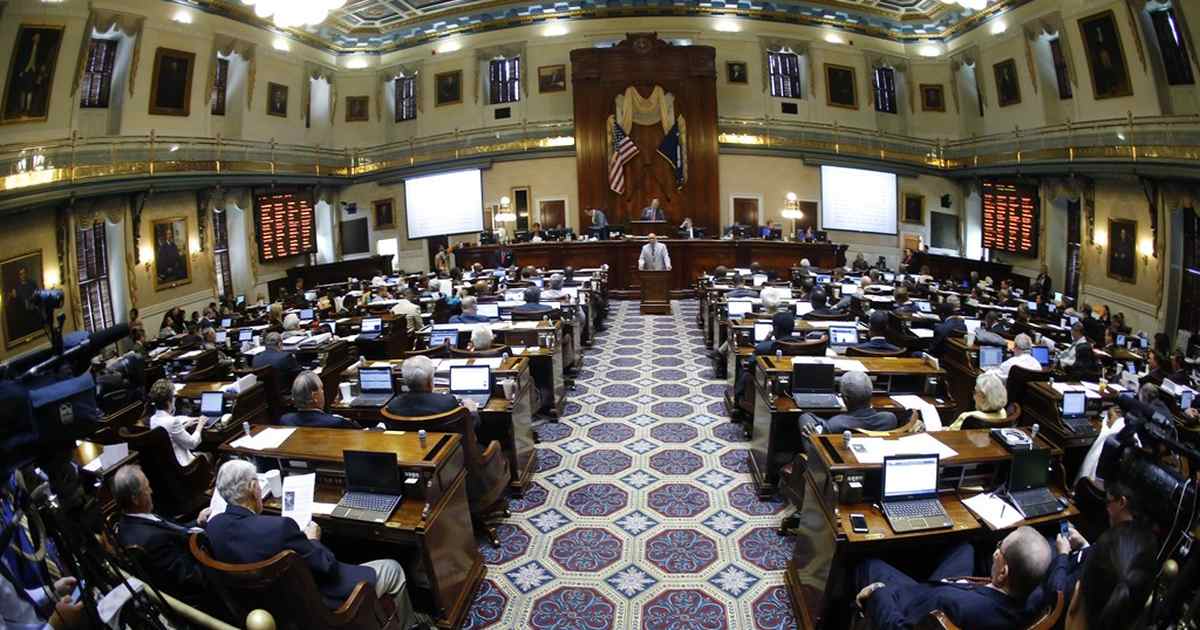
South Carolina’s redistricting effort cleared a major procedural hurdle today when a cloture vote passed, pushing a new legislative map closer to Gov. Henry McMaster for potential signature and setting up an intense State Senate schedule over the coming days.
The cloture vote that moved forward today removed a big procedural block and put momentum behind the new map, meaning that if the timeline holds, it could reach Governor McMaster’s desk by Wednesday. Republicans who favor the plan see this as proof that persistent legislative work can overcome delay tactics and finish the job on schedule. The atmosphere in Columbia is brisk and focused, and everyone knows the next procedural steps matter.
Former State Rep. Adam Morgan, who has been tracking this effort, noted that the vote accelerated the debate, but all 46 state senators will have the opportunity to speak for an hour, including on amendments. That floor time gives senators a real chance to air concerns while keeping the clock moving, which is exactly how a healthy legislative process should work. This is the second reading; there must be a third reading, and that also requires pro-redistricting Republicans to clear another cloture vote.
The State House already passed the map after Governor McMaster called a special session, and the proposal later moved through the SC Senate Judiciary Committee without major roadblocks. Now the full State Senate is considering the measure, with committee work and floor debate behind it and the decisive votes ahead. Republicans say the approval path so far shows the plan is legally sound and politically responsible.
🚨BREAKING: South Carolina Senate passes cloture by 1 vote—26-18!
7 GOP Nos—Massey, Bennett, Campsen, Davis, Hembree, Rankin, and Zell
This expedites debate, but ⏰ is running out! All 46 senators may speak for 1 hour & amendments must be cleared.
And note this is 2nd reading.… pic.twitter.com/tBrlJrYdzJ
— Adam Morgan (@RepAdamMorgan) May 23, 2026
Behind the scenes, this has been a test of discipline and process. Some members on both sides are using every tool available to slow progress, while proponents have been precise about timing and procedure to keep the proposal viable. In this kind of fight, procedural fluency is as important as policy arguments, and the cloture win demonstrates the majority’s readiness to operate under Senate rules.
There’s a practical timeline to watch: after a successful cloture motion comes the full floor debate, and then the mandatory third reading, which itself can be contested. That sequence means Republicans who support the map must maintain cohesion and be prepared to win another cloture vote to prevent extended delay. If those votes fall into place, the path to the governor is short and straightforward.
Republican lawmakers argue this redistricting effort is about protecting communities and preserving fair representation after census adjustments, not political gamesmanship. They point to the State House approval, the committee clearance, and the current pace in the Senate as signs that the process is anchored in law and legislative intent. For proponents, finishing the job is about delivering clarity to voters and candidates well ahead of the next election cycle.
Opponents have raised objections and filed amendments, which is normal in any major map debate, but the majority has focused on responding within the chamber instead of bogging the process down outside it. The ability to answer concerns on the floor—where every senator can speak and offer amendments—keeps the process accountable and transparent. That dynamic also forces a clear record for any future legal review or public scrutiny.
Buckle up, everyone:
Editor’s Note: Do you enjoy Townhall’s conservative reporting that takes on the radical left and woke media? Support our work so that we can continue to bring you the truth.
Join Townhall VIP and use promo code FIGHT to receive 60% off your membership.
Local trackers and observers will keep an eye on amendments, roll-call tallies, and any late procedural maneuvers that could change the timeline. The next 48 to 72 hours will be decisive: if pro-redistricting senators maintain discipline and procedural wins, the map moves quickly; if not, it could be stretched into a longer fight. Either way, the process now is public, rule-bound, and unfolding in plain view of voters and local media.
This phase of the legislative calendar makes clear how important it is for lawmakers to understand both policy and procedure. Passing a major piece of legislation like a redistricting map isn’t just about the final numbers on a map, it’s about navigating rules, building coalitions, and committing to a schedule that serves voters. The action in South Carolina today is one more example of how that work looks when a majority is laser-focused on finishing its constitutional duties.