The Ebola outbreak in eastern Africa is growing harder to control as attacks on treatment sites and community distrust force patients to flee, spreading the rare Bundibugyo strain and straining response efforts.
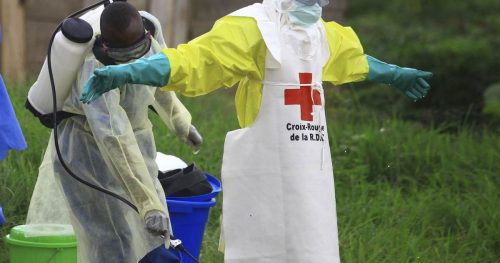
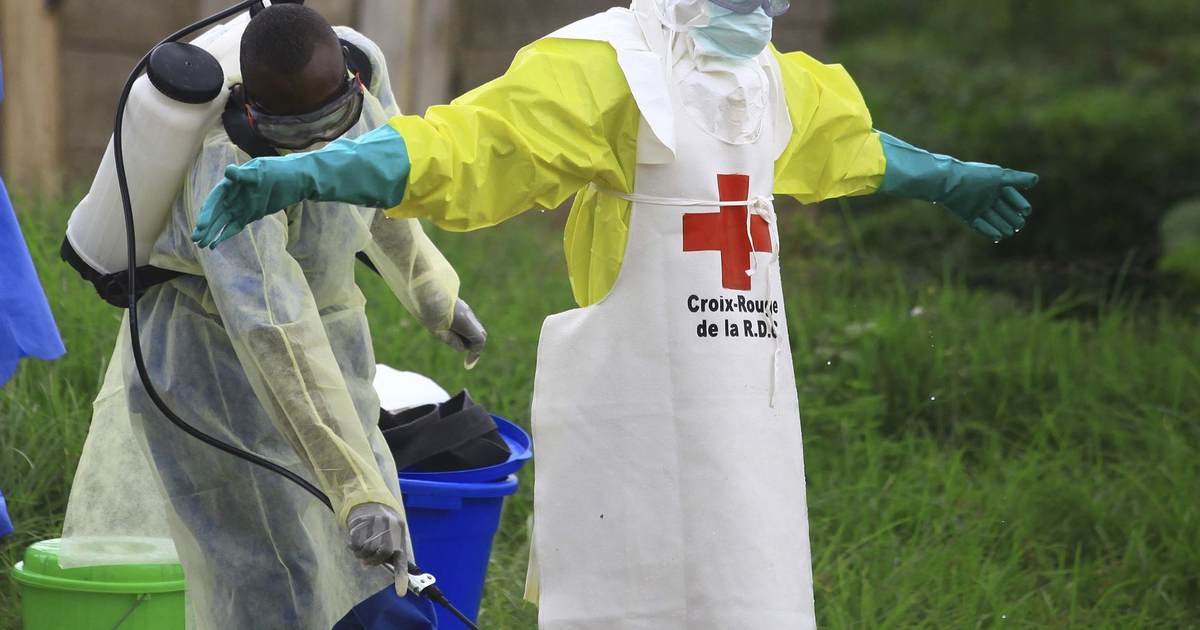
Health teams battling Ebola in parts of eastern Democratic Republic of the Congo are facing not just a virus but violent resistance from some local communities. Facilities that should be safe havens have been attacked, and in several incidents more than two dozen patients escaped, undermining containment efforts and exposing responders to new risks.
The outbreak has landed in a region long neglected by officials, and that history of neglect is feeding suspicion. Some residents believe the outbreak is a hoax, while others are furious at restrictions on traditional burials, which has been linked to how patient zero passed the disease along.
Doctors operating on the front lines of the fight against Ebola in the Democratic Republic of the Congo, already grappling with shortages of basic supplies, are now also having to deal with attacks on their facilities and fleeing patients as the virus spreads rapidly.
At least three such incidents have occurred in the northeastern province of Ituri where the first Ebola cases were reported, including two at the weekend targeting the same hospital that permitted more than two dozen patients to run away.
The attacks recall the widespread violence targeting health facilities during a 2018-2020 outbreak in eastern Congo that killed more than 25 health workers.
Some were perpetrated by civilians who were angry about not being able to bury their loved ones or were convinced that the outbreak was a hoax. The influx of money and manpower into an area that had felt neglected during decades of conflict and humanitarian crisis has spurred local suspicions about the real motives for the sudden spike of interest.
A similar dynamic seems to be playing out now, said Dr. Richard Lokodu, medical director of the Mongbwalu General Referral Hospital, which came under attack first Saturday and again Sunday.
“There is denial of the disease within the population, with some members wanting to claim the bodies of suspected and/or confirmed cases,” he said.
The World Health Organization has declared the outbreak of the rare Bundibugyo strain of Ebola, the third-largest such outbreak on record, a public health emergency of international concern.
JUST IN: 18 suspected Ebola patients fled a treatment facility in Congo during a mob attack and are now “unaccounted for.”
— Polymarket (@Polymarket) May 25, 2026
Community mistrust can sabotage any public health effort, and that dynamic is painfully visible here: response teams bring resources and attention to a place that has seen little help for years, and some locals react with hostility. When patients flee hospitals they can seed new chains of transmission far from where health workers are focused.
This recent outbreak is now the third largest in history, but it’s no more contagious or deadly than other strains, and the risk of spread to the US is low:
What is the rare strain causing the outbreak?
Bundibugyo is one of four species or strains of Ebola known to infect humans, named after a mountainous district in Uganda where the first outbreak took place in 2007.
It has caused only two previous outbreaks and is so rare that it wasn’t included in lab tests for Ebola where the latest outbreak occurred, which delayed its identification, according to international health officials. Bundibugyo virus was confirmed when samples were sent thousands of miles across the country to a government research lab.
Is Bundibugyo virus more dangerous or contagious than other Ebola viruses?
No. The virus replicates more slowly and appears to be less deadly than the more common Zaire ebolavirus, according to studies. The Zaire strain was responsible for an explosive epidemic in West Africa in 2014 that killed more than 11,300 people—the largest Ebola outbreak in history. But the Bundibugyo strain still killed more than 30% of those it infected in the past two outbreaks.
There are no approved vaccines or treatments, which makes the outbreak that much riskier.
What are the chances that Ebola will spread to the U.S.?
The risk is low, according to the Centers for Disease Control and Prevention. U.S. officials have prohibited foreigners who have been to Congo, Uganda or South Sudan in the past three weeks from entering the country. U.S. citizens who have been to those countries are being directed to Washington Dulles International Airport and screened there, the CDC said.
Still, travelers from the region where Ebola is spreading may have already entered the U.S. in the past three weeks. The country is also expecting a large influx of foreigners to several cities, including New York, for the World Cup.
The U.S. has a network of specialized treatment centers around the country to care for patients with dangerous pathogens like Ebola and hantavirus, at hospitals such as the University of Nebraska Medical Center and Emory University Hospital. U.S. authorities evacuated an American medical missionary who contracted Ebola in Congo to a hospital in Germany with similar capabilities.
Bundibugyo’s rarity helped delay diagnosis because local labs were not set up to test for it, and samples had to travel far for confirmation. That delay makes early containment harder, especially when cases appear in areas with limited lab capacity and stretched health systems.
There are no widely approved vaccines or targeted treatments for Bundibugyo, which raises the stakes for classic public health measures: contact tracing, safe isolation, and culturally sensitive burial practices. If teams can’t safely isolate cases because of attacks or community resistance, the virus can hop between households and villages, prolonging the outbreak.
Past experience shows containment can take time; the previous prolonged outbreak in the region lasted roughly two years before authorities brought it under control. Rapid, trusted engagement with local leaders and clear, consistent communication are crucial to stopping spread without inflaming tensions.
At the international level, authorities are screening travelers and redirecting arrivals to specific ports of entry for monitoring, while specialized treatment centers stand ready to manage rare, dangerous infections. For now the immediate risk outside the region remains low, but vigilance and support for local health workers are essential to prevent further escalation.