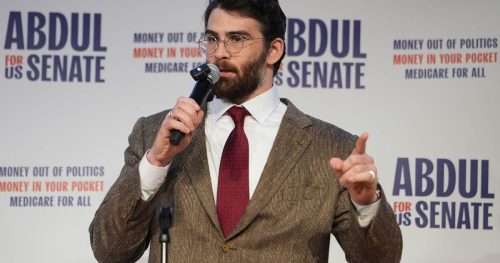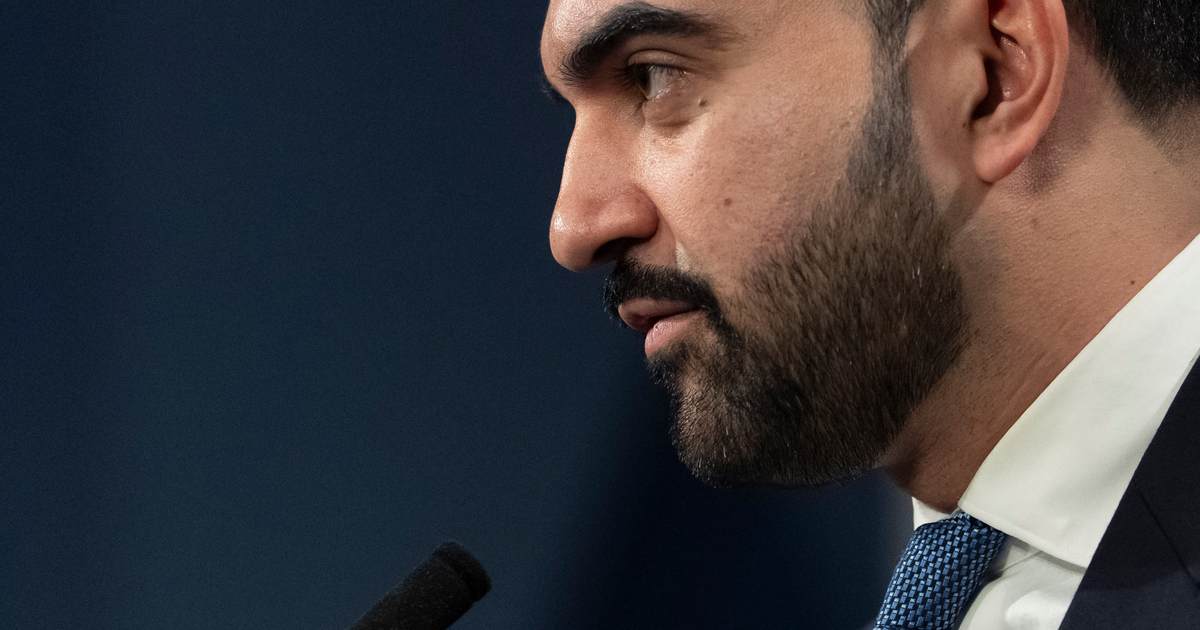
Hasan Piker says a federal subpoena has him rattled, and he’s publicly wondering why fellow socialist Zohran Mamdani isn’t stepping in to shield him.
Hasan Piker, a prominent left-leaning streamer and Democratic mouthpiece, is facing a federal subpoena tied to his public support for the Communist Cuban regime, and the reaction has been anything but composed. He aired his frustration on stream, casting about for political cover while the investigators do their work. The situation exposes a clash between celebrity leftist theatrics and real-world legal exposure.
Piker’s back-and-forth online made clear that he expected solidarity from fellow socialists, especially from elected figures who share his rhetoric and worldview. Now he’s publicly questioning whether Zohran Mamdani will intervene on his behalf, as if electoral office could short-circuit federal enforcement. The demand for someone to step in speaks to a belief among some on the Left that politics can rewrite legal consequences.
Piker put it bluntly on his stream: “I don’t think Zohran Mamdani is going to be doing that anytime soon,” Piker said in response to a question on his stream. “Because I’m not a ‘concerning incident’ that took place in the New York City region of America, you know what I mean? Highly doubt it. Maybe I’m wrong. Maybe he’ll prove me wrong.”
“Maybe he’ll prove me wrong.”
Hasan Piker whines that Zohran Mamdani isn’t intervening over his federal subpoena. pic.twitter.com/eC7hqpTn74
— Kaivan Shroff (@KaivanShroff) May 25, 2026
That hope is misplaced because Mamdani has no authority to quash a federal subpoena, and everyone in politics knows that separation of powers and federal jurisdiction matter. An elected city official cannot simply erase or override a federal grand jury action or investigative subpoena. The expectation that local political theater can influence federal legal processes reveals a naive view of how enforcement actually works.
On top of that, Piker surely understands the basics of federal authority, which makes his public pleading look more like posturing than genuine confusion. Claiming he is surprised that an ally won’t intercede stretches credulity, since the law doesn’t operate like political loyalty. For many conservatives watching, it reads as an attempt to manufacture outrage and score political points while legal exposure continues unchecked.
The exchange also shines a light on the broader ecosystem where celebrity commentators and activist politicians trade support and perform solidarity for followers. When scrutiny turns toward one of their own, the expected reflex is to circle the wagons, but federal processes don’t bow to factional loyalty. That tension between performative politics and real legal accountability is part of why this episode is getting attention beyond left-wing circles.
The ideological bond between Piker and Mamdani is obvious — both embrace socialist ideas and public posturing on economic and foreign policy matters — yet ideological kinship doesn’t grant legal power. For conservatives, seeing prominent figures act like their political identity should shield them from consequences is a familiar and frustrating spectacle. It underlines a double standard many on the right complain about when enforcement appears selective.
There’s also a credibility gap when leading voices on the Left insist on high-minded claims about equality before the law while simultaneously signaling that allies should receive special treatment. During the Biden years, Democrats repeatedly told the public that “no one is above the law,” but impressions differ when accountability seems to land unevenly. Piker’s public gripe invites scrutiny of whether his side truly believes their own slogans when push comes to shove.
Meanwhile, childish demands from some corners of the left for mayoral edicts on trivial cultural matters only make it easier to poke holes in their seriousness about governance. When activists push for symbolic rules — even ridiculous municipal fixes — it feeds the argument that their priorities aren’t about rule of law or effective administration. That contrast makes Piker’s attempt to drum up political protection look even less defensible.
At the end of the day, federal subpoenas don’t care about who tweets loudest or which mayor is more performative; they follow legal process. Piker’s public puzzlement over where his protection will come from plays as desperation to some and as a naked bid for sympathy to others. For political observers who value consistent application of the law, this episode is a reminder that ideology doesn’t alter jurisdiction.