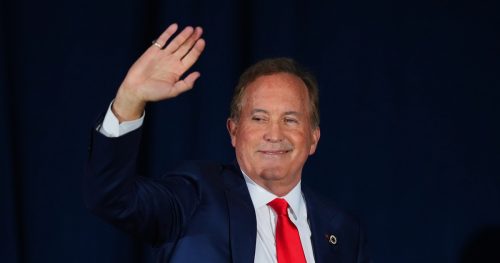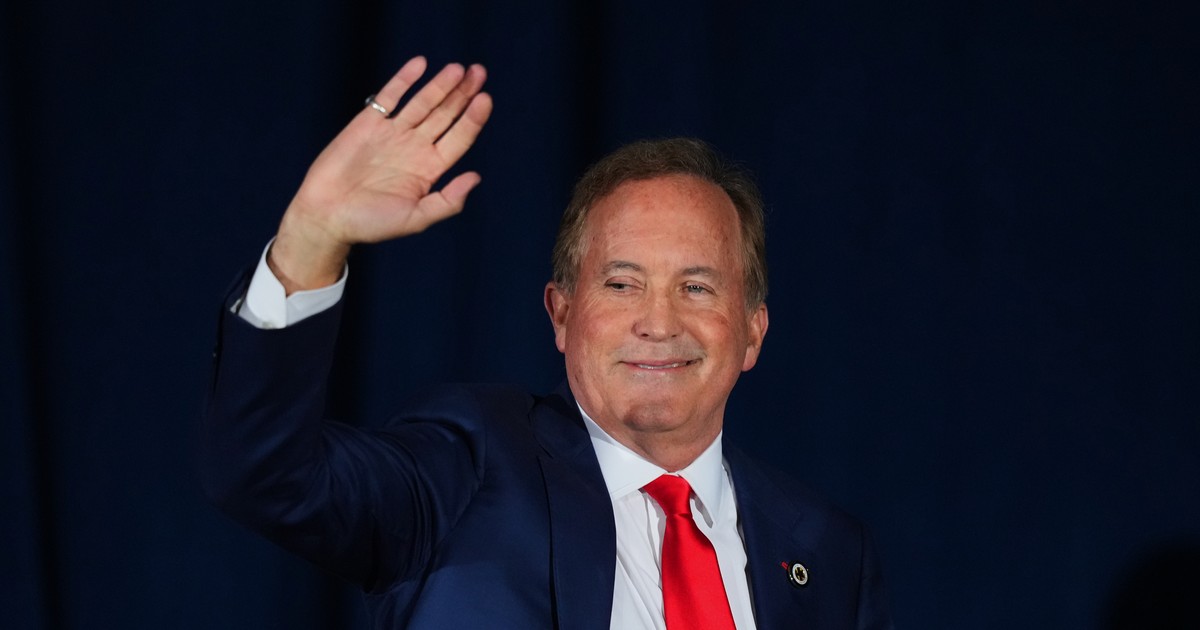
Ken Paxton has emerged as the Republican nominee for U.S. Senate in Texas, defeating incumbent Sen. John Cornyn in the runoff and setting up a fall matchup with Democrat James Talarico amid a campaign reshaping driven by Trump’s late endorsement and strong MAGA support.
It’s official: Texas Attorney General Ken Paxton won the GOP runoff to become the party’s Senate nominee after besting Sen. John Cornyn in Tuesday’s contest. The runoff was required because no Republican cleared 50 percent in March’s primary, forcing the top two into this head-to-head finish. Voter energy around this race reflected broader tensions between the party’s insurgent base and long-time establishment figures.
The campaigns moved into a last-minute blitz, turning the airwaves into the primary battlefield while public events took a back seat. Both sides spent heavily on messaging in the final full day before the runoff, pushing targeted ads and rapid-response spots. That strategy aimed to lock in turnout and sway undecided voters in a race decided by relatively small margins.
President Trump’s endorsement on May 19 changed the tenor of the contest and delivered a clear momentum shift toward Paxton. Trump posted on Truth Social explaining that Cornyn had been slow to sign on to the president’s agenda, and that hesitation cost him crucial backing. That public signal from the former president helped consolidate support among voters who prioritize loyalty and results over old-guard name recognition.
MAGA Voice (@MAGAVoice)
Paxton’s appeal to the Republican base was built on a record of fighting the Biden administration in court and a vocal allegiance to Trump-era priorities. As attorney general, he led or joined numerous lawsuits challenging federal policies, with immigration issues frequently at the center of his legal battles. That combative posture and visible willingness to press conservative causes made him a favorite among voters who want a senator willing to take on federal overreach.
Cornyn’s long tenure in Washington framed him as part of the GOP establishment, which increasingly finds itself out of step with a party trending toward populist priorities. Even supporters who agreed with his votes sometimes viewed him as too cozy with the old Senate ways, and that perception mattered in a primary environment that rewards outsiders and fighters. This result reinforces a national pattern where candidates aligned with Trump’s movement outperform traditional incumbents.
🚨 BREAKING: This reporter is blown away by how bad Ken Paxton is CRUSHING John Cornyn already
TEXAS IS MAGA COUNTRY 🔥 pic.twitter.com/EMqQ9ILYQF
— MAGA Voice (@MAGAVoice) May 27, 2026
Looking ahead to the general election, Paxton will face state Representative James Talarico, who has built a visible following on the Democratic side. A Texas Public Opinion Research survey showed Talarico leading Paxton 46 to 41 percent, with nine percent undecided, signaling a competitive matchup but not a runaway advantage. Other polls paint a close race as well, and the campaign will hinge on turnout, message discipline, and how national forces play in Texas this fall.
Democrats see opportunity and are already energizing donors and volunteers, pointing to shifting demographics and competitive polling as reasons to push hard in a state that has been reliably Republican at the Senate level for decades. Texas has not elected a Democratic senator since 1988, so the party’s strategists are treating this as a serious pickup attempt rather than a symbolic run. Republicans, meanwhile, are preparing to defend the seat by framing Paxton as a proven conservative who will continue to fight for border security and limited federal power.
Talarico’s record and past comments on religion and gender have become focal points in the early rounds of attack ads and debate prep. Opponents highlight past remarks about Christianity, sexuality, and gender ideology — including controversial statements suggesting God could be nonbinary and interpretations of the Virgin Mary that critics say affirm support for abortion. Those lines of attack are likely to define portions of the fall narrative as both sides try to make the race a referendum on values and governance.
The runoff outcome is part of a broader shift in Republican politics where loyalty to Trump and a readiness to challenge Washington orthodoxy often trump seniority. Paxton’s win will test whether that model can carry in a general election against a well-funded Democratic challenger in a state that is watching national trends closely. For now, Republicans in Texas see Paxton’s nomination as a clear, decisive moment that reshapes the path to November.