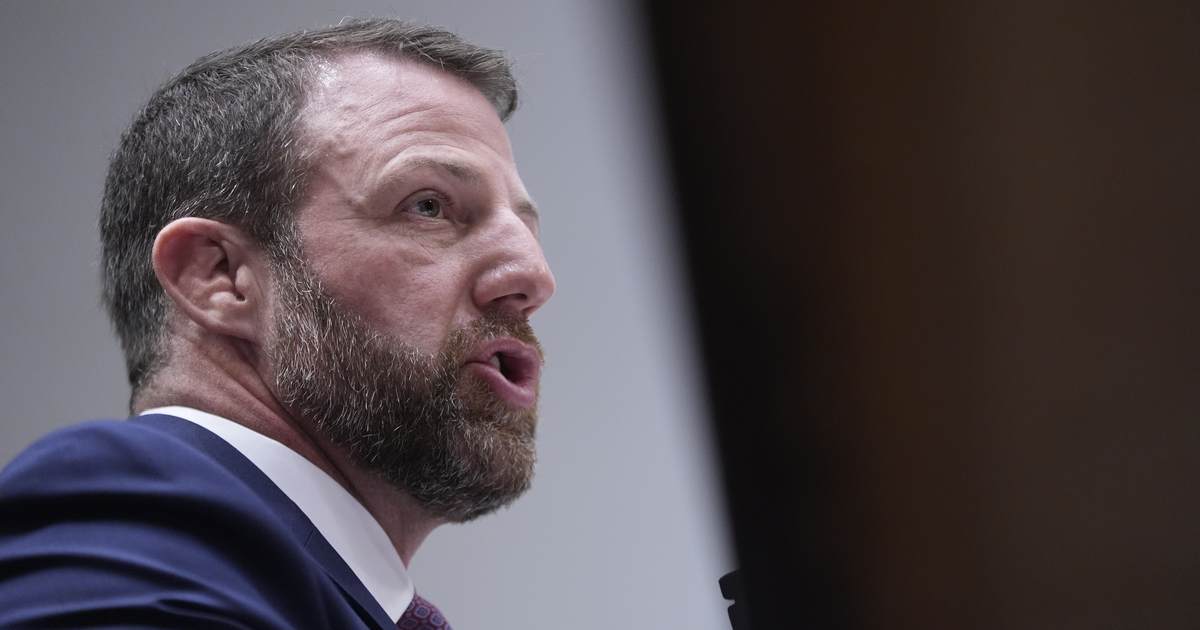
Markwayne Mullin ripped into the anti-ICE protesters outside a Newark detention center, called out sanctuary cities and local officials, and outlined a hardline response to the chaos around Delaney Hall as detainees staged a hunger strike.
The Department of Homeland Security is facing open confrontations at a private detention center in Newark, where detainees have been protesting conditions and mounting a hunger strike. What began as complaints about food, medical care, and overcrowding quickly drew large crowds of left-wing activists, some of whom clashed with immigration authorities and disrupted operations. The scene has become a flashpoint for a larger debate over enforcement, public safety, and the role of sanctuary jurisdictions. Federal officials are publicly frustrated and are talking about measures to reassert control.
Secretary Markwayne Mullin didn’t mince words when he addressed the situation, framing it as part of a pattern where radical activists and permissive local officials undermine immigration enforcement. He argued that many of the people in custody are dangerous offenders and that the protests are less about humanitarian concerns than about releasing those individuals. Mullin has said the administration is considering concrete steps to punish jurisdictions that actively frustrate federal law. That hard line reflects a broader Republican view that public safety must come before political appeasement.
“We have arrested thousands, tens of thousands, gang members that are in categories of terrorists. We have arrested known terrorists just in this facility alone,” Secretary Mullin said. “We have child rapists. We have sexual assault. We have murderers. We have drug traffickers, a long history of criminal activity, and they are sitting in this facility right now.”
DHS Secretary Markwayne Mullin sets the record straight:
“We have child rapists, murderers, drug traffickers sitting in this facility right now.”
And the “radical left Democrats want us to release them back on the streets.”
This is TEXTBOOK sanctuary city insanity:
Block ICE… pic.twitter.com/UtiHuynpm5
— Steve Guest (@SteveGuest) May 27, 2026
“These are the individuals that what these radical left Democrats want us to release back on the streets, so they would rather release them back on the streets and allow them to literally terrorize their own communities than to keep them locked up and deport them,” he continued. “And that’s what Antifa and these anti-ICE radical protesters are doing. And guess what? The people they elected are joining right beside them, and you just can’t make sense out of this, especially the fact that local law enforcement wouldn’t respond.”
The detainees at Delaney Hall say they are striking over spoiled food, inadequate medical attention, overcrowding, and alleged retaliation by guards. Those complaints feed legitimate questions about conditions inside private detention centers and the need for oversight. Still, officials insist that the detainees must be processed through the legal system and that violent offenders cannot simply be set loose because of pressure from demonstrators. The tension is amplified when protesters escalate to rioting and physical confrontations with federal personnel.
Beyond the immediate unrest, Mullin raised the prospect of targeting sanctuary cities with operational restrictions, including limiting international travel services tied to federal immigration control. He argued that cities that refuse to cooperate with federal law should not be allowed to benefit from services that depend on federal enforcement, and that such consequences could force local leaders to choose between politics and public safety. That proposal is squarely in line with a Republican emphasis on conditional cooperation between federal and local governments. It also signals an effort to use federal leverage where lawmakers think local policy undermines national rules.
Local law enforcement responses—or the lack of them—have become another flashpoint. Officials in some jurisdictions have been reluctant to intervene in protests labeled as civil rights actions, leaving federal agents and ICE staff to handle violent or disruptive behavior. Republicans see that reluctance as abdication of duty that endangers communities, while critics argue that federal interventions can inflame tensions and escalate violence. The standoff highlights a breakdown in communication and coordination that both sides claim is the other’s fault.
The unrest in Newark has broader implications for policy debates on detention, immigration courts, and the handling of criminal noncitizens. Republicans are pushing for firmer enforcement and clearer consequences for local leaders who create safe havens that, in their view, interfere with national sovereignty and public safety. Democrats and activist groups counter that oversight and humane treatment must guide detention policy, pressing the federal government to address legitimate grievances inside facilities. For now, the immediate fight centers on restoring order and ensuring detainees are processed according to law.
What happens next will be a test of federal resolve and local willingness to cooperate. If the administration follows through on measures targeting sanctuary jurisdictions, those moves will reshape how cities and counties interact with federal immigration authorities. Meanwhile, the situation at Delaney Hall remains tense, with protesters and detainees continuing to push their demands while federal officials maintain that law enforcement cannot be compromised. The debate is unlikely to cool down until operational control and legal processes are clearly reestablished.