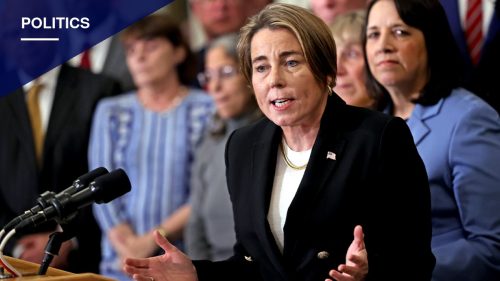
Quick take: New York Governor Kathy Hochul tried to score a political point about the Knicks and tripped over basic facts, handing critics a clear opening.
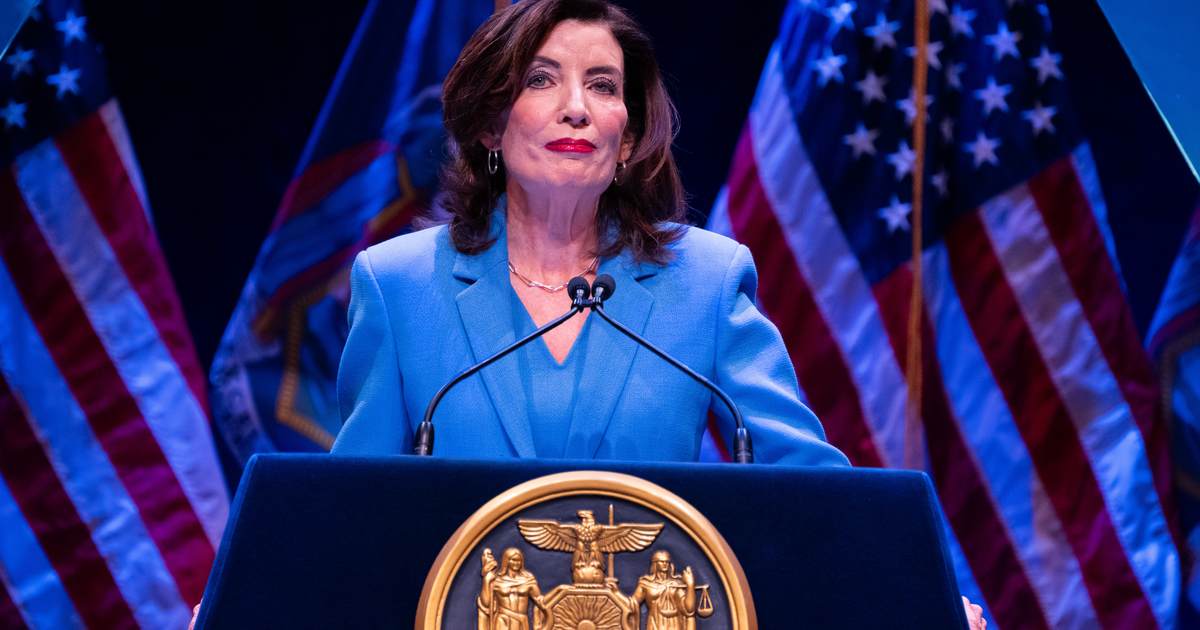
Kathy Hochul attempted a joke at former President Donald Trump’s expense during a press conference, but the punchline fell flat and exposed a factual error. She suggested the Knicks had a 1993 championship team, a claim that does not match the historical record. The gaffe became a fast target for conservatives and the president’s supporters.
The moment moved quickly from a local quip to a national talking point, because it involved two easy cultural touchstones: New York sports loyalty and Trump’s long-standing Knicks fandom. For many conservatives, the mistake confirmed a pattern of awkward political theater from Democratic leaders. It was an avoidable stumble that gave opponents fresh ammo.
https://x.com/greg_price11/status/2059675906730303519
Hochul’s remark was framed as a challenge, aimed at testing whether the president really knew his team, but it misidentified New York’s recent playoff history. The Knicks did not win a championship in 1993; Michael Jordan’s Chicago Bulls were the champions that season. That mismatch turned what was meant to be a zing into an embarrassing self-own for the governor.
She said the president should be asked to name “the starting lineup from the 1993 championship team and see how he does.” The line was supposed to land as a gotcha, but instead it exposed a lack of attention to the very facts the jab relied on. Political cracks like this stick because they are simple and easy to explain on social platforms and talk radio.
The Democratic governor inadvertently showed she wasn’t exactly bleeding orange and blue when she misstated the team’s most recent championship in an embarrassing self-own when a reporter asked her what she thought of the GOP leader saying he was a lifelong Knicks fan.
“I’d ask him to name the starting lineup from the 1993 championship team and see how he does,” Hochul said at an unrelated press conference in the Big Apple.
The Knicks last won a championship in 1973, but made it to the NBA Finals in 1994, losing to the Houston Rockets in a seven-game series after the 1993-94 season. In 1993, New York blew a 2-0 lead in the Eastern Conference Finals to the Michael Jordan-led Chicago Bulls.
[…]
Hochul’s air ball had critics pouncing, including the president’s eldest son Donald Trump Jr.
“Anyone who knows my father knows he probably knows more about Sports than just about any human being not in the business,” Trump Jr. tweeted in a shot at Hochul.
“Kathy’s failed soundbite ain’t gonna land well… just like her policies.”
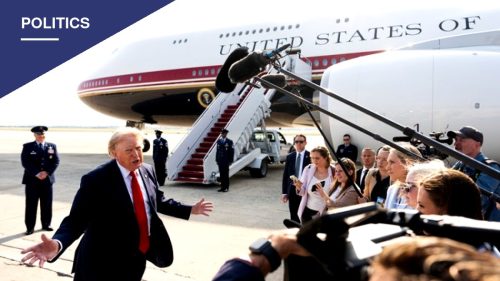
The flub comes as Trump, a Queens native and former Manhattan businessman, said he was hoping to head to Madison Square Garden to see the Knicks in the finals after a dominating playoff run that included sweeps of the Philadelphia 76ers and Cleveland Cavaliers in the last two series.
The reaction was predictable. Conservatives seized on the misstep as evidence that Democratic attacks can be sloppy, and that sloppy attacks suggest a broader lack of focus. In an era where soundbites spread instantly, a single factual slip can define a story for days.
Donald Trump Jr. called out the governor by name and defended his father’s knowledge of sports, arguing that Trump probably knows more about athletics than most people who are not in the business. That line resonated with many on the right because it reframed the exchange as tone-deaf posturing by a career politician. It also redirected attention back to Trump’s personal ties to New York and his longtime support for the Knicks.
Trump himself is a Queens native with deep roots in the city, and his relationship with team ownership is well known among local circles. Being a Knicks fan in New York is practically a civic identity, and critics say Hochul should have treated the subject with a little less flippancy. When you aim to mock a hometown claim, you better get the history right.
The Knicks’ run to the Finals after sweeping tough opponents revitalized the city’s sports conversation, and some expected Trump to attend a game at Madison Square Garden. He had considered heading to the Eastern Conference Finals, but the team’s sweep of Cleveland made those earlier plans unnecessary. Either way, the team’s success narrowed the room for partisan grandstanding about fandom.
Political jabs that hinge on trivia are risky because the margin for error is tiny and the payoff is limited when they fail. Hochul’s comment played into that risk and handed opponents a clean talking point about competence and focus. For Republicans, it was an easy hit that fit a larger narrative about the Democrats’ priorities.
At bottom, this is a simple media moment turned political theater: a governor tried to land a quick joke, missed, and opponents amplified the miss. Small moments like these matter because they shape impressions more quickly than long policy debates do. In the battleground of public perception, a wrong fact can matter as much as a right argument.