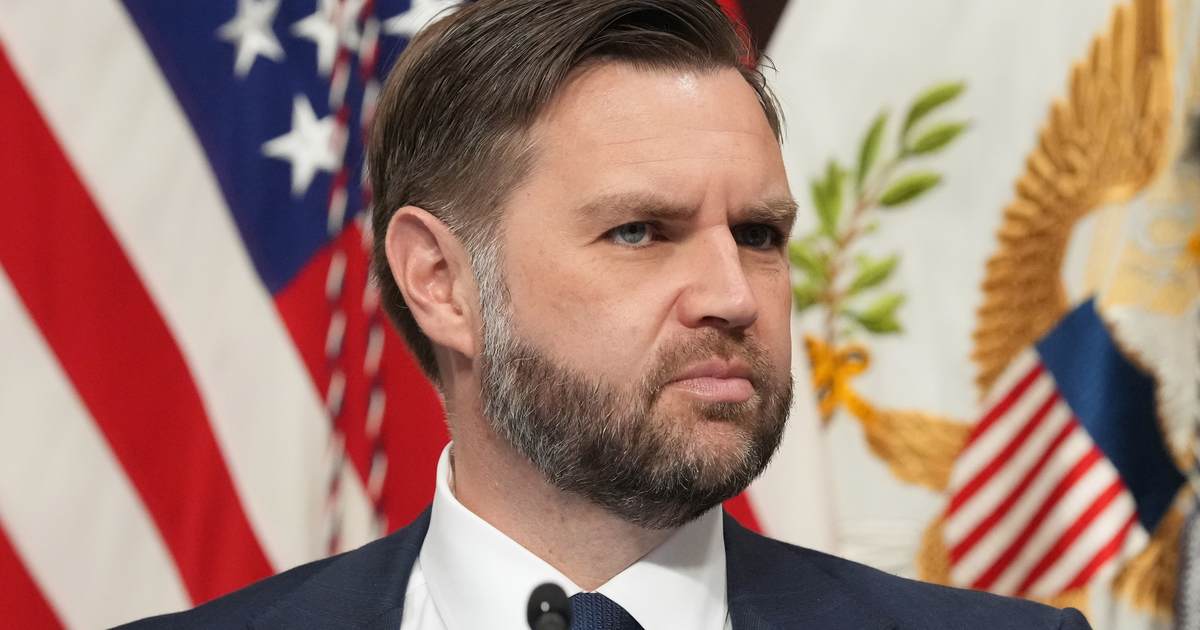
The White House pushed back hard against a New York Times piece that said Susie Wiles told Vice President J.D. Vance to step away from social media, calling the reporting false and the sourcing questionable.
The White House response was blunt and fast, dismissing the NYT story as unreliable. Officials said the paper got the facts wrong and mischaracterized internal conversations, and they labeled the coverage as ‘Complete Fake News’.
The NYT reported: “In meetings, Mr. Vance frequently scrolls his phone, and he uses social media to fight with his critics. The president frequently posts to Truth Social, but he does not spend time replying to people online, as Mr. Vance does.”
Susie Wiles, Mr. Trump’s chief of staff, recently advised Mr. Vance to take a break from social media, as have other officials in the West Wing, according to people familiar with those interactions, because the fighting was beneath his office. (Mr. Vance said he took a break for Lent.)
The report aimed to portray Vance as immature and too combative online, but the White House says that depiction is flat-out incorrect. Instead of solid sourcing, the NYT relied on vague attributions and unnamed voices, which only feeds skepticism about the piece.
Critics in the administration pointed out that the story offered no on-the-record sources willing to stand behind the claims. It also included the odd phrasing that it had spoken to “families with those interactions,” which readers and officials found puzzling and undermining of credibility.
Those who back Vance say the narrative is part of a pattern where legacy outlets try to shape how conservative figures are seen. The White House response framed the article as partisan and sloppy, arguing that it unfairly targeted a vice president who is still new to the role.
https://x.com/StevenCheung47/status/2060771142672023853
Vance, one of the youngest vice presidents in recent memory, attracts attention because he is seen as a potential future presidential contender. Supporters say that a hit piece attempting to paint him as unserious or impulsive is an obvious play to blunt his rising profile.
Behind the scenes, officials insist the conversation about social media was typical staff guidance, not a scandal. Advising a public official to be selective about public posts during sensitive times is standard practice, they say, and hardly the news the Times made it out to be.
From a conservative perspective, the bigger problem is how the story was framed and amplified. When a national paper publishes a piece based on unnamed accounts and unclear sourcing, it risks misleading readers and coloring public opinion on thin evidence.
The White House reaction also underlines a larger distrust of media institutions perceived to be hostile to conservative leaders. That distrust is what fuels immediate pushback and demands for clearer sourcing when allegations about staff or behavior surface.
For now, the dispute centers on credibility: the Times published a narrative; the White House calls it false; the public is left to weigh competing claims. The episode highlights how quickly internal memos or casual guidance can become political ammunition when reported without airtight sourcing.
That dynamic matters because reputations are on the line and the stakes include who voters trust in national leadership. Conservatives watching this marked the NYT story as an example of a publication prioritizing narrative over verification, while Vance allies framed the rebuttal as a necessary defense of a rising figure.