Florida’s governor is pushing a bold property tax overhaul and the reaction says as much about the left as it does about the policy.
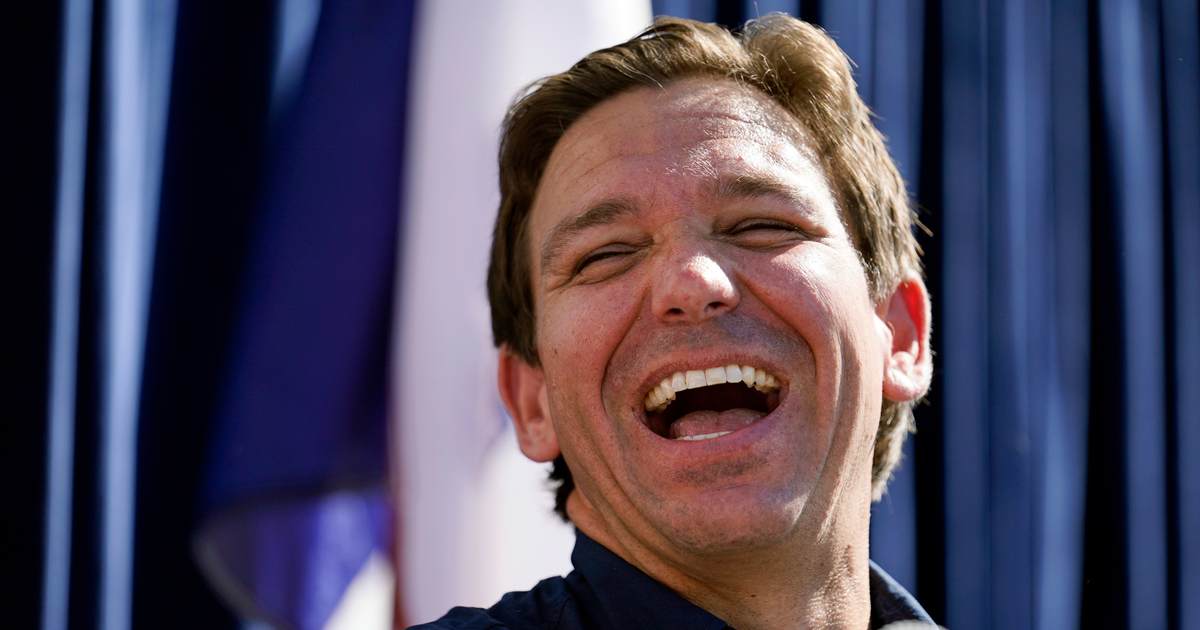
Florida has changed dramatically since the disputed 2000 election, moving from chaos to a model of conservative governance under Governor Ron DeSantis. He is term-limited and will leave office in January of next year, but he has used his remaining time to lock in reforms. Lawmakers and the governor have pursued a package that reshapes the political map and targets property taxes for elimination.
DeSantis and his allies argue removing property taxes will lock in fiscal discipline and make government less hungry for citizens’ earnings. The plan is wrapped in a broader push to reduce the tax burden, limit government, and show voters a clear contrast with Democratic priorities. For Republicans, this is about proving conservative governance can deliver lower taxes and more freedom without gimmicks.
Predictably, the reaction from national media and left-leaning opinion writers has been loud and scornful, which only underlines the political stakes. Bloomberg opinion writer Mary Ellen Klas famously called the move a ‘Soviet power grab.’ That line landed like a political grenade and revealed how desperate establishment outlets are to paint tax relief as something sinister.
That framing deserves a closer look because it tells you more about the framers than the policy itself. Critics reach for alarmist language when they lack an argument about outcomes like lower bills for homeowners or more efficient local spending. Conservatives see this as smart governance: reduce a major tax lever and force cities and counties to prioritize spending or return money to residents.
https://x.com/ChristinaPushaw/status/2062239244328800754
Press secretary Christina Pushaw and other DeSantis allies have pointed out the practical differences between central planning and decentralizing tax authority to citizens and elected officials. Pushaw laid out the difference:
When you remove a revenue source that local politicians treat as a license to spend, you change incentives fast. Bloomberg and similar outlets worry about shrinking tax bases because they profit from big-government narratives and frequent crisis framing. For conservative leaders, reducing property taxes is about restoring ownership and responsibility, not increasing state control.
That tension is why the debate has gone beyond spreadsheets and into culture war territory, with rhetoric replacing sober policy analysis. Supporters say cutting property taxes prevents future grabs on wealth under the guise of fiscal necessity, and weakens arguments for ever-expanding local taxation. Opponents try to scare voters with slippery-slope claims instead of offering better budgeting proposals.
Democrats and left-leaning commentators are not just angry about revenue losses; they fear Florida setting an example for the rest of the country. If Republican leadership can show durable fiscal responsibility, smaller government and measurable results, it undermines the main selling points of the Democratic coalition. That’s why they push back so hard: power and patronage depend on maintaining tax flows.
The inability of many progressives to debate the policy on merits exposes their weakness on basic economic trade-offs. Rather than contesting whether lower property taxes could spur growth and ownership, the response often defaults to scare tactics and moral panic. Conservative messaging focuses on pocketbook benefits and the principle that people should keep more of what they earn and own.
Meanwhile, Democrats in other states show signs of doubling down on intrusive policies that seize assets or expand taxation under different pretexts. The contrast between those moves and Florida’s approach is intentional and instructive. Look at what socialist officials in places like New York are proposing and you see a fundamentally different view of private property and fiscal limits.
For voters who care about liberty and practical results, Florida’s proposal is a live test of conservative governance. It forces elected officials to justify every dollar they spend instead of relying on automatic tax growth, and it gives homeowners a clearer stake in the fiscal health of their communities. That political test explains why media and the left are working overtime to delegitimize the idea before people see the results for themselves.