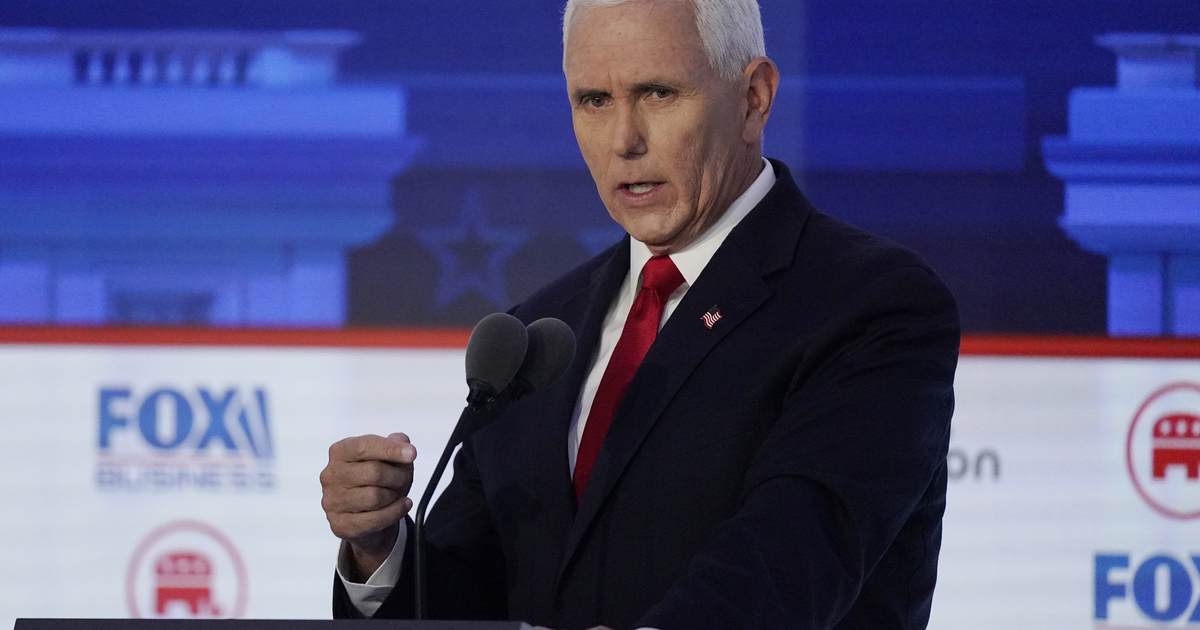
Mike Pence has hit the road to promote his new book and is warning fellow conservatives about a rising “populist right,” arguing for a return to traditional conservative principles while questioning some modern shifts in the movement.
Mike Pence is touring to promote his book, What Conservatives Believe: Rediscovering the Conservative Conscience, and he used national interviews to push his message. He wants to remind conservatives of long-standing principles on economics, foreign policy, and values while staking out a role as a voice for the party’s traditional wing. The tour is an attempt to influence the debate inside the Republican coalition as 2028 looms.
One of his earliest stops was CNN, an odd venue for many on the right, but Pence chose the platform to outline concerns about a faction he calls the “populist right.” He singled out policy trends he sees as dangerous to conservative orthodoxy, including protectionist economics and challenges to established foreign policy commitments. That critique is meant to steer the conversation back toward open markets, steady alliances, and restrained government.
He emphasized that the current administration has done many things conservatives wanted done, but he warned those gains could be undermined by new policy impulses. Pence framed his argument as a call to preserve gains like border security and tax policy while resisting policies that would broaden government control over the economy. He believes conservatives need to be clear about what they stand for if they expect to lead again.
He said that while the Trump administration has gotten much right, he has grave concerns about the future direction of conservatism and believes he can help sound the alarm.
https://x.com/theblaze/status/2062564677192691946
“A new threat to conservatism has emerged from within our movement. I call it the populist right,” Pence said on Thursday. “It essentially advances policies of protectionism, isolationism, marginalizing traditional values.”
“And while they’ve had some success prevailing on the second Trump administration, not all. I think the second Trump administration has gotten a lot right, secured the border, extended all those Trump tax cuts, stood up to Iran, stood with Israel,” he said. “But when you look at the stops and starts on Ukraine by this administration, when you look at voices on the outside that have even questioned our support for Israel, and the economic policies, Kate, nationalization of businesses, broad-based tariffs against friend and foe alike, price controls…”
Pence says his book is intended to be a reminder of conservative principles, not a rejection of recent policy wins. He told audiences that his motivation was to urge the party back toward those founding ideas so it can win and govern consistently. That blend of admonition and praise positions him as both a critic and an ally of Republican successes.
He has also launched a new think tank, Advancing American Freedom, to promote policies he believes led to recent prosperity and strength overseas while elevating traditional values at home. The organization is meant to institutionalize his vision and create policy zeroes to debate conservatives on strategy and priorities. It has already drawn attention for taking a different tone than some established conservative institutions.
Still, Pence’s influence faces limits as many Republicans have embraced a different political approach that prizes boldness and outsider instincts. Some voters and leaders prefer the direction set by the current dominant figures in the movement, leaving traditionalists to argue for course corrections rather than wholesale rejection. That gap shapes where Pence can persuade and where he will struggle.
The broader fight is over how the Republican Party presents itself to voters ahead of pivotal midterms and the 2028 cycle. Pence is staking a claim for a conservative center that defends free markets, steady alliances, and cultural institutions, and he wants those priorities to shape the party’s next chapter. How active conservatives choose to balance principle and pragmatism will decide which voices lead the movement forward.