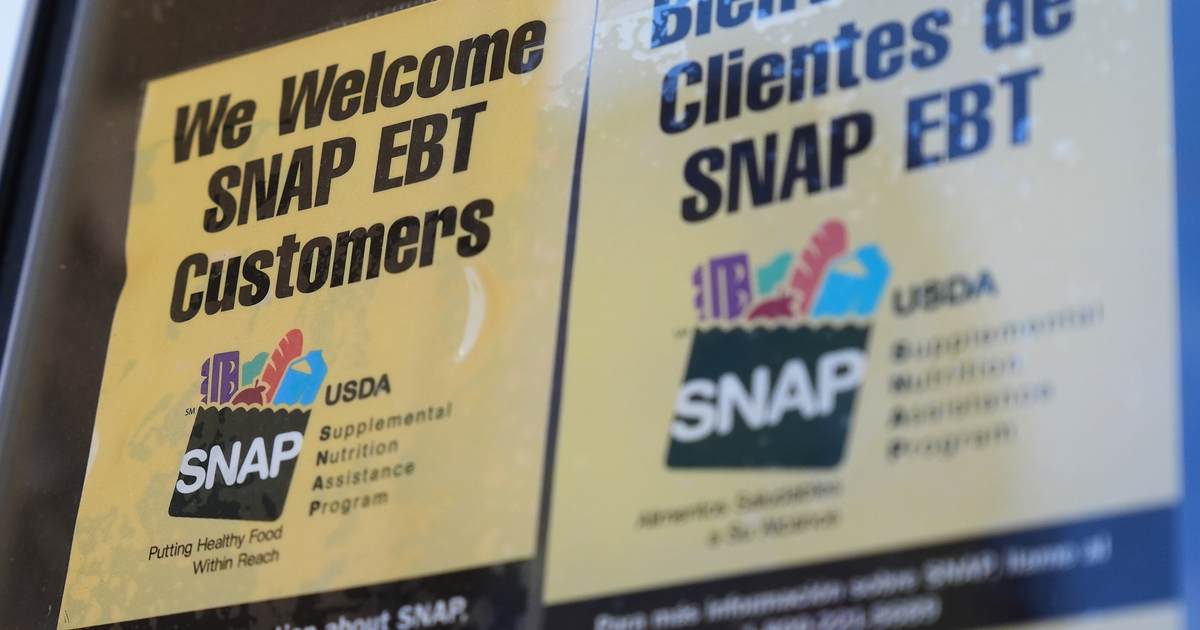
Federal and state investigators have targeted 19 Ohio retail locations for alleged Supplemental Nutrition Assistance Program violations, launching formal enforcement actions in early June 2026 that prosecutors and regulators say aim to stop benefit trafficking and protect both program recipients and taxpayers.
The U.S. Department of Agriculture’s Food and Nutrition Administration and the Ohio Department of Public Safety’s Ohio Investigative Unit, working with the USDA Office of Inspector General, issued violation notices to 19 retailers on June 3 and 4, 2026. The sweep covered stores in Cleveland, Cincinnati and Columbus and signals an intensified focus on retail-level SNAP abuse. Officials say these notices start administrative and enforcement processes meant to hold vendors accountable for blatant wrongdoing.
Investigators allege a range of trafficking behaviors, including exchanging SNAP benefits for cash and for nonfood items like alcohol and tobacco. These practices divert taxpayer-funded assistance away from families who need groceries and toward illicit commerce. The reported patterns are straightforward examples of the kinds of abuses enforcement teams are trying to stop.
- A Cleveland convenience store allegedly trafficked more than $14,000 in SNAP benefits, undermining support for needy families.
- A Columbus retailer is accused of exchanging over $800 in benefits for $300 in cash and of trading benefits for a glass bong and bottles of wine.
- Another Columbus outlet allegedly accepted SNAP benefits in exchange for beer, which is explicitly outside program rules.
Potential consequences for the retailers named in these notices include extended suspensions, permanent disqualification from SNAP participation, and hefty civil monetary fines. Those penalties are designed both to punish violators and to deter other vendors from risking program integrity. Prosecutors and administrators emphasize that enforcement is about protecting limited taxpayer funds and ensuring SNAP serves its intended purpose.
This enforcement action is part of a longer-running USDA–Ohio partnership that has already produced criminal convictions in past cases of large-scale trafficking. In one earlier investigation by OIU and FNA, a Cleveland retailer trafficked more than $17,000 in benefits; subsequent probes uncovered additional fraudulent activity. The owner in that case was convicted on charges including trafficking, money laundering, and theft, received an 18-month prison sentence, and was ordered to pay $63,000 in restitution, demonstrating real criminal exposure for egregious offenses.
“This joint operation was vital in disrupting these illicit schemes. Not only will these retailers face repercussions from the Food and Nutrition Administration, but OIU has taken further action as well, both administratively and criminally,” said OIU Senior Enforcement Commander Greg Croft. “Because several of these businesses also held liquor permits, it allowed us to hold them accountable on multiple fronts by issuing administrative citations against their permits for the illegal use of benefits.”
The sweep underscores the Trump Administration’s whole-of-government approach to enforcement, which leaders describe as necessary to protect vulnerable SNAP participants and the taxpayers who fund the program. At the federal level, FNA routinely evaluates tens of thousands of retailers and conducts nearly 50,000 undercover compliance visits each year to detect and document violations. Those large-scale compliance efforts feed state and federal investigations that can lead to administrative sanctions or criminal charges.
At the state level, OIU focuses on retail outlets that accept benefits fraudulently and on people who illegally obtain or resell SNAP benefits. The Office of Inspector General works alongside both agencies to coordinate evidence collection and prosecute serious offenders. Officials frame these combined efforts as a zero-tolerance posture intended to preserve SNAP for legitimate participants while removing bad actors from the system.
https://x.com/WHFraudTF/status/2063055123496989052
For communities and taxpayers, the message from enforcement teams is clear: benefit trafficking will be pursued aggressively, and those who exploit social safety nets will face consequences. Republican policymakers and enforcement officials stress that protecting program integrity is a practical way to help families truly in need and to ensure public funds are used as intended. Continued cooperation between federal and state agencies, they argue, is the most effective path to stopping retailers that treat government benefits like a cash commodity.