New Jersey lawmakers moved forward with a bill that would make it a crime to interfere with abortion and gender-affirming medical procedures, expanding legal protections to patients and providers and setting up a closely watched vote in the state Assembly before reaching Governor Mikie Sherrill.
The measure, first introduced in 2024 and later amended to align with a Senate version, cleared an important committee hurdle and now heads to a full Assembly vote. Supporters say the bill is meant to protect people seeking care and the clinics and professionals who provide it, while critics warn it creates dangerous new criminal exposure. This debate lands squarely on questions of free speech, state jurisdiction and how far government should go to shield medical services from outside interference.
According to Fox, the bill’s protections would extend to outsiders seeking abortions in the state of NJ, as well as healthcare providers and facilities, and would reach acts of interference that allegedly began outside New Jersey. That means people or groups allegedly obstructing or disrupting care from other states could face penalties if the conduct is tied to services performed inside New Jersey. The extra-territorial reach is part of what has conservatives sounding alarms about overreach and enforcement complexity.
https://x.com/40daysforlife/status/2064366377016631669?ref_src=twsrc%5Etfw
Republicans argue the proposal risks trampling First Amendment rights and parental authority, and they are blunt about the real-world consequences they expect to see on sidewalks, in clinics and in conversations between parents and kids. Gregory Quinlan, the founder and leader of the conservative advocacy organization Center for Garden State Families, told the New Jersey Monitor of his concerns for “sidewalk servants,” saying, “We could be 100 feet away and just praying, and still be found in violation.” That line captures why many conservatives view the measure as a threat to basic civic freedoms.
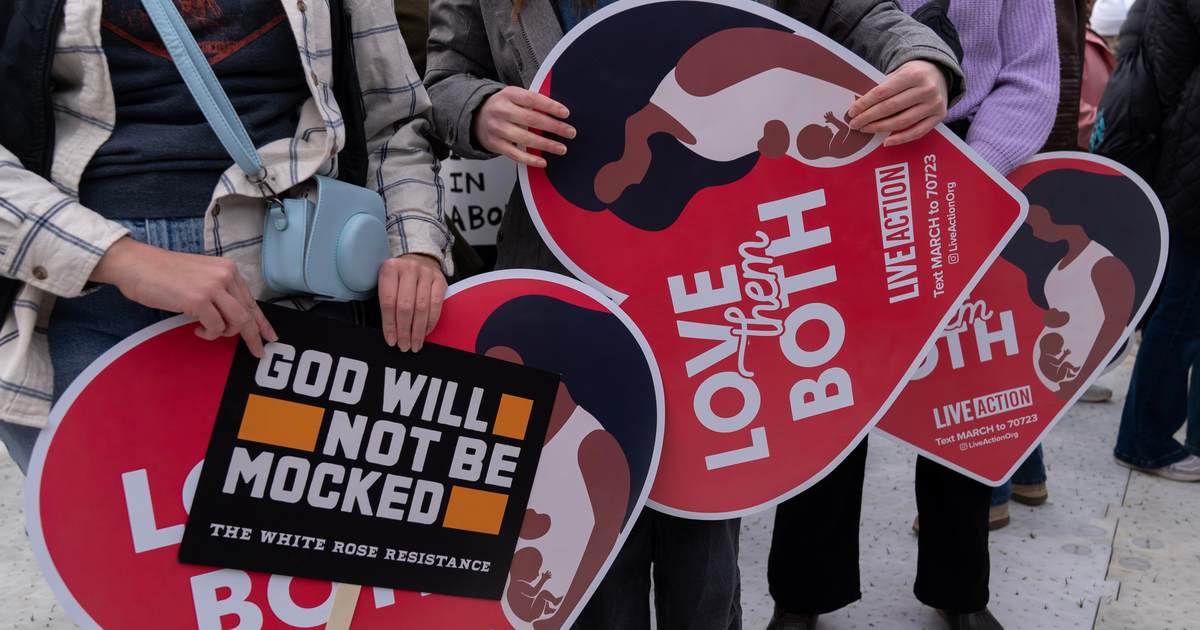
Pro-life and parental-rights advocates are also worried about the chilling effect this law could have on lawful expression and peaceful protest at clinics or public spaces. “The threat of prosecution is enough to silence lawful speech. And that happens to be exactly what this bill is designed to accomplish,” said Marie Tasy, Executive Director of NJ Right to Life, in a statement to the New Jersey Monitor. For critics, criminal penalties are not just about punishment; they are about deterring dissent and civic engagement.
Democrats backing the bill reject those charges and argue the policy is necessary to stop harassment and violence aimed at patients and medical staff. Trenton Councilwoman Jennifer Williams, a man identifying as a woman, said the bill would “protect the young, the adults like me, and our senior citizens who are transgender. We deserve it, and we are worth it.” Supporters say the law closes gaps left by local ordinances and gives state authorities tools to respond to coordinated, cross-border campaigns targeting vulnerable people.
The bill carries stiff criminal penalties for certain violations: individuals who cause bodily injury could face up to 10 years behind bars or fines up to $150,000, and the package includes potential civil liabilities on top of criminal exposure. It also authorizes the state attorney general to pursue injunctions and financial penalties against alleged violators, and it allows private civil suits by affected parties. Those layers of enforcement make the statute a broad deterrent, but also raise questions about prosecutorial discretion and the threshold for bringing charges.
Republicans also warn the legislation could turn New Jersey into a refuge for out-of-state patients and providers whose care is restricted elsewhere, effectively creating a medical sanctuary policy for transgender treatments and abortion-related services. That concern ties into a larger national debate over state sovereignty and whether states with expansive protections are enabling circumvention of other states’ laws. Opponents say this dynamic fuels interstate legal conflict and encourages politically charged litigation.
Procedurally, the bill moved forward on partisan lines and faces a politically charged vote in the Assembly before any decision by Governor Mikie Sherrill, who would have the final say if it reaches her desk. Lawmakers and activists on both sides are gearing up for a hard fight that will include courtroom challenges if the law becomes reality. Expect the next steps to be as much about messaging and constitutional tests as about the nuts and bolts of enforcement.