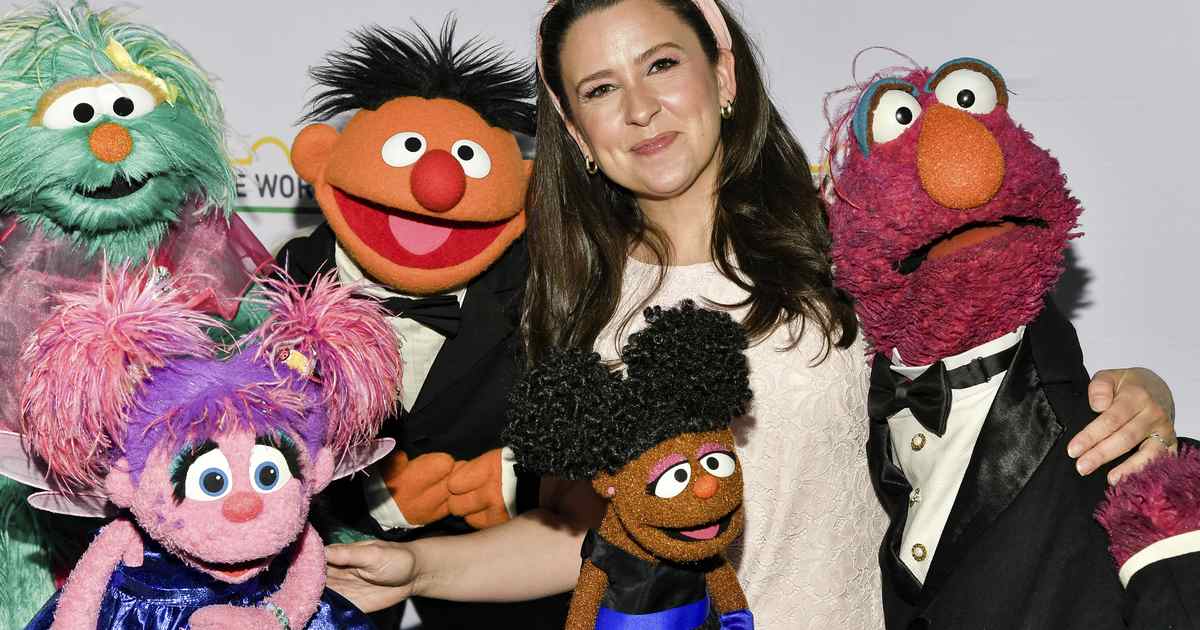
Ms. Rachel, a popular children’s creator, sang with kids outside Delaney Hall, the Newark ICE detention center, alongside protesters and Democratic officials, sparking criticism from those who say children’s programming should not be used for political theater.
Rachel Accurso, known as Ms. Rachel, showed up outside Delaney Hall in Newark, New Jersey, a facility tied to ICE operations and recent unrest. The scene drew families and protesters and put a well-known kids’ entertainer in the middle of a heated immigration debate. Her presence has prompted sharp reactions from parents and conservatives who see this as politicizing children.
“Together, we’ll sing until everyone’s free,” she sings. That lyric was captured in video and shared widely, framing the event as a feel-good moment for some. For critics, however, the line felt like more than music — it was a clear political endorsement delivered to a child audience.
https://x.com/libsoftiktok/status/2064777964760318172
Accurso posted a video that included Sen. Andy Kim (D-NJ) and thanked him for his work at Delaney Hall, and local politicians were visible at the event. Governor Mikie Sherrill was also present on Memorial Day as tensions around the facility peaked, and reports say Sen. Kim was pepper-sprayed during the crowd activity. Accurso says she was “up until 2 a.m. worried about the kids and their families.” This mix of elected officials and a beloved kids’ host made the gathering impossible to read as anything but political theater.
The stunt fits a pattern: using children and family-friendly formats to draw sympathy for broader political causes, especially around immigration. Accurso has previously appeared at events with progressive politicians, including public reading appearances in New York City with local leaders and prominent lawmakers about childcare policy. Those moves have convinced critics that her brand has shifted from neutral education to active advocacy.
When conservative voices pushed back after an effort to shut down a Texas ICE facility in March, Accurso responded by owning the political nature of her work. She declared, “It’s political to believe that children are worthy of love and care… and that our care shouldn’t stop at what we look like, our family, at our religion, at a border,” and framed her actions as a moral stance. Many parents and conservative commentators accepted her stated values but questioned the choice to fold young viewers into controversial demonstrations.
There are real questions about priorities. When will Ms. Rachel begin advocating for the hundreds of women and children who have been murdered by illegal aliens in the United States? That direct question underscores a wider worry among Republicans: selective outrage that highlights some victims and overlooks others, all while pushing policy agendas through emotionally charged performances.
Celebrities and influencers routinely step into causes, but children’s programming carries added responsibility because parents trust creators with early education. Turning storytime or sing-alongs into protest platforms undermines that trust and blurs the line between entertainment and recruitment. Families expect educators and creators to protect childhood innocence, not use it as leverage in political fights.
The involvement of state and federal lawmakers at the scene only deepens the problem for those who want clear, enforceable immigration policy and orderly, humane processing at the border. Scenes of chaos, including reports of pepper spray, are not the kind of backdrop parents expect for preschool-friendly content. Republicans argue that advocacy should happen in adult forums, not staged where young children are the audience.
Ms. Rachel commands a large, loyal following among families with toddlers, and that reach brings real influence over impressionable viewers. That influence should come with restraint: teach, entertain and support children without using them to score political points. Conservatives calling for stronger border enforcement also want clear boundaries so children’s media remains an escape and a place of learning, not another front in America’s culture wars.