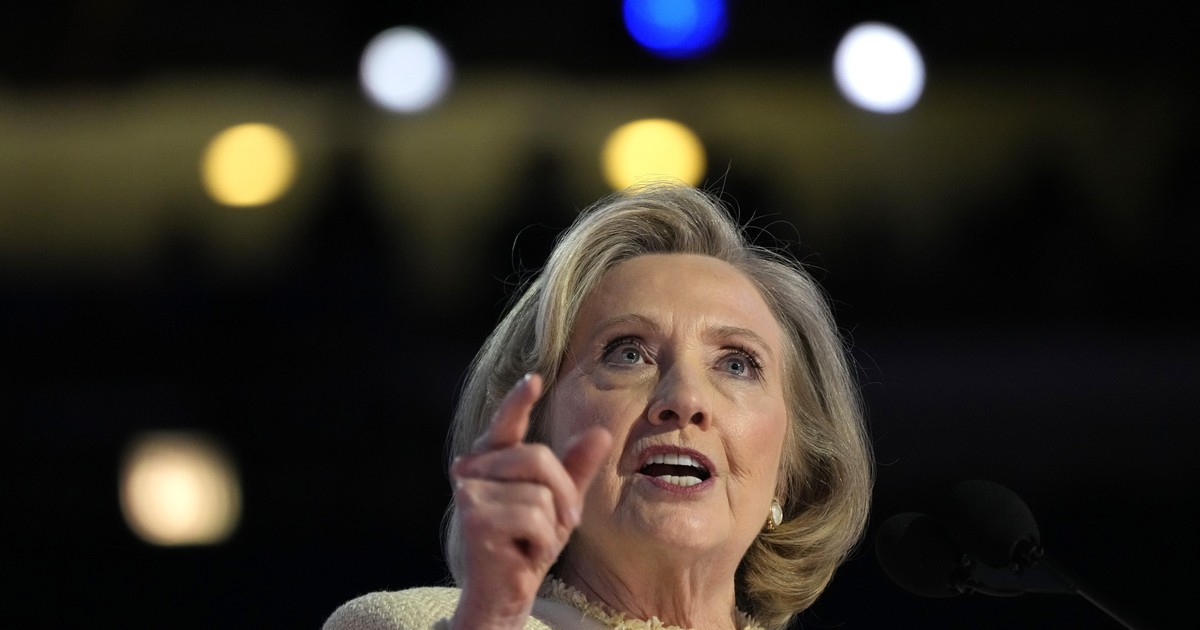
Hillary Clinton returned to the spotlight with familiar attacks on election integrity, recycling claims about voter ID and access while dismissing the ability of ordinary Americans to secure basic identification.
She framed the debate as a fight over who counts as a “real person” and argued that efforts to verify voters are part of a broader scheme to suppress turnout. That tone is the same one Democrats use whenever common-sense safeguards get serious attention. The rhetoric ignores practical measures and focuses on fear and division instead of facts.
“They’re trying to kick people off of voter rolls,” Clinton said of Republicans promoting basic election integrity measures. “They’re trying to demand…you know…forms of identification most real people don’t have, and most older people, and most rural people don’t have. They are certainly redistricting to make it difficult to elect black representatives or Latino representatives or Democrats. So, that means that we have to be even more intentional in showing up and voting.”
https://x.com/RNCResearch/status/2065479204112630263
That quotation is a clear example of how language can turn a reasonable policy conversation into an attack on civic responsibility. Voter ID proposals are not about excluding people; they are about ensuring a trustworthy process where each ballot belongs to a real, verified voter. Framing ID laws as a plot to shove anyone off the rolls plays into a narrative that dismisses personal responsibility.
Practical ID options already exist for most Americans, and the argument that ordinary people cannot obtain identification simply does not hold up. Military IDs, passports, and state-issued REAL ID driver’s licenses are available to millions, and registration systems have multiple pathways to accommodate different circumstances. Approximately half of all Americans maintain a valid passport, which undermines the claim that ID is out of reach for “most real people.”
The attack on rural Americans is particularly thin. Critics suggest that people living outside dense urban centers cannot scan or present identification, yet rural citizens routinely handle complex tasks without special help. Even prominent Democrats have leaned on this same talking point; Kamala Harris once warned it would be “almost impossible” for non-urban residents to meet ID requirements, a phrase that treats self-reliant communities as helpless.
Arguments about access should be met with policy solutions rather than theatrical claims of widespread incapacity. If there are genuine barriers, lawmakers can fund mobile ID units, extend hours at county offices, or authorize alternative verification methods tied to the SAVE Act’s goals. But too often the response is to reject any requirement at all, which invites chaos and undermines confidence in elections.
Public opinion does not fall neatly along party lines on this issue. Even among Democrats, support exists for stronger ID standards when framed as anti-fraud protections rather than partisan tools. Even 50 percent of registered Democrats support passing the SAVE Act, which suggests that practical reforms can win backing across the aisle when presented honestly.
California’s delay in counting ballots exposed how slow, opaque processes can corrupt public trust, to the point of making critics compare the state’s pace to regimes known more for secrecy than speed. Democrats who lecture the country about democratic norms while defending such systems invite justified skepticism. Any cowardly RINOs ignoring the SAVE Act are complicit in their insanity.
Political theater from former officials distracts from real work that keeps elections secure and accessible, like updating voter rolls, improving ID access, and increasing transparency in counting. Voters want clear rules that prevent fraud and preserve confidence without turning everyday citizens into collateral in partisan fights. The path forward is straightforward: adopt sensible, practical measures and stop pretending that basic verification is an assault on democracy.