The New York Times’ handling of allegations against Graham Platner drew sharp criticism after a prominent reporter framed those accusations as unlike classic MeToo cases, prompting debate over media priorities and partisan protection.
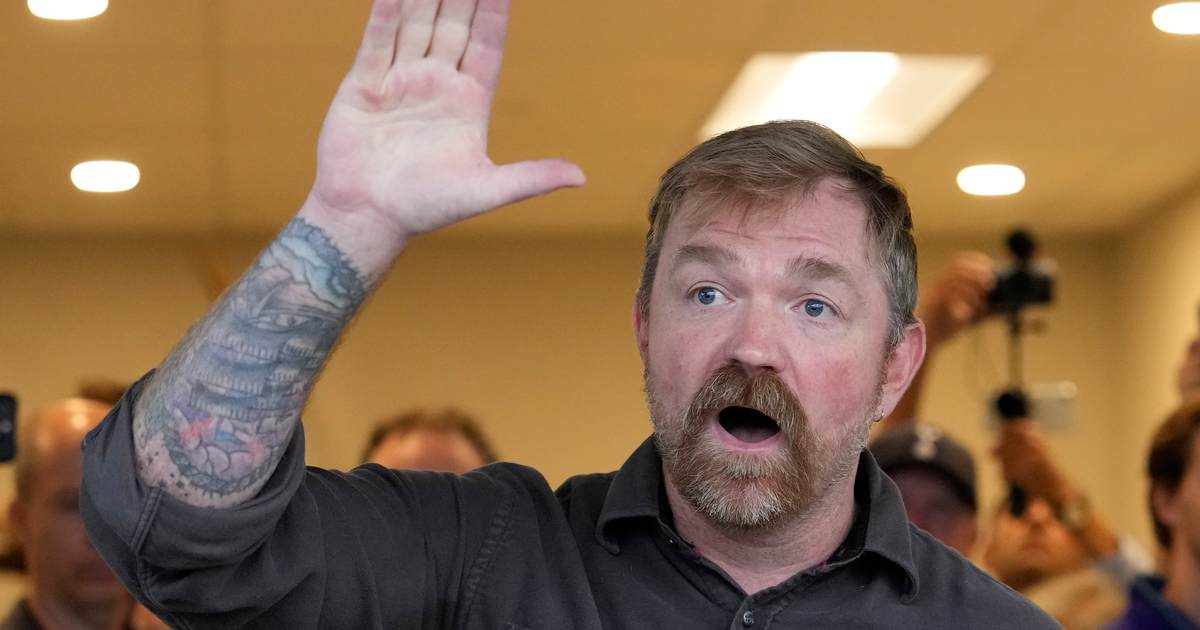
This week the story around Graham Platner shifted from a raw set of allegations into a test of how the media treats powerful narratives when political stakes are high. Platner has been described in reports as having a Nazi tattoo, troubling sexting behavior, a misleading personal backstory, and accusations of domestic abuse brought forward by multiple former partners. Those details, amplified by opposition research, met defensive coverage that many on the right see as protective rather than probing. The result was a clash between survivors’ accounts and a newsroom eager to distinguish these claims from what is traditionally labeled MeToo.
Conservative readers will note how quickly establishment outlets try to reframe stories that threaten candidates or allies. Here, the New York Times’ own framing suggested the allegations were mostly about consensual relationships and sensational texts, not workplace coercion or the kind of predatory conduct MeToo originally exposed. That distinction matters to the paper, and to Democrats who fear collateral political damage ahead of tough races. But critics argue calling these accounts anything other than serious domestic abuse minimizes the lived experiences of the women who stepped forward.
The pushback is not abstract. Multiple former partners described patterns that include emotional control and physical intimidation, even if they didn’t use the legal language of severe injury. Those firsthand accounts are central to why readers and conservative commentators say the story deserves full gravity, not dismissal on technicalities. When coverage appears calibrated to limit political fallout, trust in mainstream outlets erodes further among skeptical audiences. Citizens expect consistent standards, not situational edits that tone down uncomfortable truths.
https://x.com/JoeConchaTV/status/2064868802777510297
On television, the Times’ reporter Jodi Kantor attempted to parse the allegations in a way that drew fire from many conservatives who view the move as running interference. Kantor argued some accusations were not “classic MeToo” claims and emphasized differences from high-profile cases tied to workplace power dynamics. Her words fed a broader narrative that the paper was sanitizing a messy political file rather than treating it as an assault on women’s safety and credibility. That stance reinforced the sense that media elites decide which victims get full solidarity.
“Well, let’s talk about what they may or may not be willing to overlook the accusations against Graham Platner are not classic MeToo accusations. They’re not about a boss and a young female employee being subjected to sexual advances. They’re — they were mostly made in the context of consensual relationships. There are these, like, very sensational texts about sex. There are allegations from former girlfriends that are not — the way my colleagues reported them were not like classic abuse allegations. They were mostly like being his boyfriend gave me a view into him and I did not like what I saw. His character was scary. He had this Nazi tattoo. Et cetera.”
“There was one allegation of crossing a line physically, but I think that means that these are pretty different accusations than, say, the one that — the ones that President Trump faced. And, of course, in the Access Hollywood tape, President Trump bragged about grabbing women against their will. And so I think it speaks to the kind of confusion of the long post MeToo moment in which, like, gender related accusations get bundled together. But they’re actually very different.”
What matters to conservatives is consistency: if an allegation threatens one political side, major outlets must not reflexively downplay it because of ideological alignment. The substantive claims against Platner—ranging from concerning tattoos to patterns of questionable behavior and alleged domestic violence—ought to be investigated and reported without partisan slant. When reporters lean on narrow definitions to exclude certain claims from established movements like MeToo, it looks less like careful nuance and more like editorial protection. That approach weakens public confidence in journalistic neutrality.
Voices from the people involved underscore the stakes. One former girlfriend, Lyndsey Fifield, pushed back against characterization that would make her story seem less serious. She described minimizing her own injuries and trying to avoid exaggeration while acknowledging the lasting harm she experienced. Her statements highlight the reality that survivors often downplay abuse out of fear or shame, not because their experiences are trivial. Those dynamics are exactly why reporting should be attentive, not defensive.
This week I’ve heard from dozens of women who have been victims of domestic violence.
Many have remarked not just how much they relate to my story overall but how they, too, once qualified their abuse in the same way I did in my interview with the Times: Clarifying that Graham didn’t break my arm, didn’t ever punch or slap me.
I didn’t realize that was what I was doing—I just didn’t want to exaggerate. If anything I wanted to downplay his violence and the deep, lasting impact it has had on my life.
I also have felt I need to be clear that I was never, ever antagonistic, never picked a fight, and took great pains to try to keep him from becoming enraged.
My friends have pointed out that that’s not normal. I shouldn’t feel the need to insist to the public that I didn’t do anything to deserve or provoke physical intimidation, control, or abuse. No one does.
I forgave Graham years ago and was glad to see that he had gotten sober and seemingly had gotten help for his mental health issues—I sincerely wished him well but when I realized I was not the only woman he had done this to, that he has a lifelong pattern of deep contempt for women, I realized he had suckered me once again.
And instead of support for coming forward, Jenny and I have been met with horrific smears, told it was “karma,” or that it wasn’t “that bad.”
So… yeah, that is actually pretty classic.
Beyond the personal accounts, observers say the handling reveals a pattern: when political actors are involved, media organizations sometimes shift their language to soften consequences. That tendency is dangerous because it conditions public response and legal scrutiny. Conservative audiences want reporting that treats allegations seriously regardless of who benefits politically, and they see this episode as a reminder that media bias still shapes coverage. Consistent standards, not selective empathy, are the only path to credible journalism.
At the end of the day, readers expect straight reporting on troubling claims and clear distinctions between nuance and excuse. When a major outlet appears to cushion accusations coming from opposition research, it fuels skepticism from voters and undermines trust. The women who came forward deserve to be heard fully and fairly, and the press should be judged on whether it meets that basic obligation without partisan steering.