Republicans say liberals tried to stage a rival live event to blunt the impact of President Trump’s White House UFC appearance, but the counter-programming fell flat and revealed how out of touch much of Hollywood’s political spectacle has become.
Liberal organizers set up a competing livestream to the America 250 UFC event outside the White House and it failed to attract a meaningful audience. The alternative broadcast never gained traction and looked amateurish compared with the main event. That mismatch made the contrast obvious to anyone paying attention.
The opposing show, Rise Up, Sing Out, had originally been billed as “a concert for the First Amendment,” but the final product played more like a dull political stream with tiny view counts on YouTube. Instead of drawing broad support, it mostly drew tired lectures and predictable talking points. The turnout online suggested the message wasn’t landing.
https://x.com/WesternLensman/status/2066324780488294749
By contrast, conservative-leaning events have demonstrated real reach in recent months, including a Turning Point USA half-time show that racked up massive streaming numbers. That kind of audience engagement makes Rise Up, Sing Out look like a costly flop. When rivals outpace you on distribution and excitement, it’s a clear signal the playbook needs changing.
Part of the problem was tone. The lineup leaned heavily into woke platitudes and preachy monologues that sounded recycled from earlier culture wars. Audiences have moved on from moralizing performances that read like classroom lectures. Authenticity and entertainment value win, and this event offered little of either.
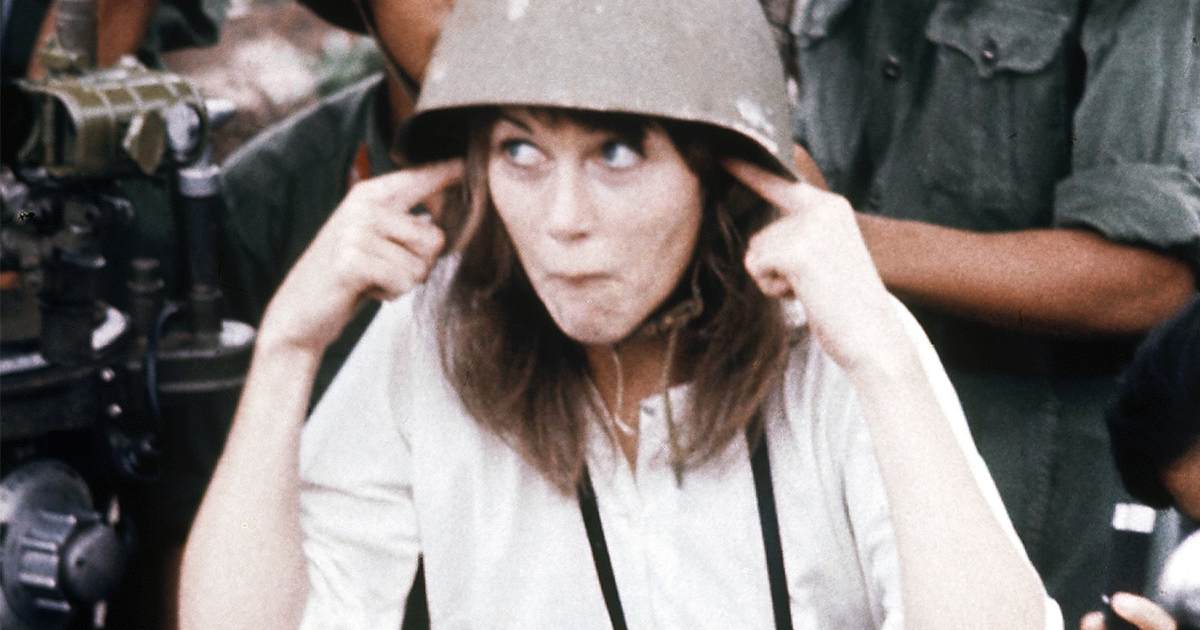
The show’s host was a figure with longtime ties to the left and Hollywood’s activist circles, and that association only underscored how insular the production felt. People expect a cultural offering, not a partisan sermon packaged as art. That kind of packaging works for a narrow base but does not create a viral cultural moment.
On the ground, Trump’s UFC celebration was part spectacle and part political theater, and it delivered moments that energized supporters. When the opposition tries to match spectacle with sermons, the audience rewards the side that understands entertainment and momentum. The GOP side leveraged both star power and populist energy to dominate the conversation.
Strategically, Democrats appear to be adjusting their candidate mix in response to voter sentiment, running straight White males in several battleground Senate races like Jon Ossoff, Roy Cooper, Graham Platner, and James Talarico. That shift shows party leaders recognize the limits of loud identity-first messaging in general elections. It also signals a broader reaction to 2024’s election lessons.
There’s a cultural reset happening among many voters who rejected bitter, self-loathing narratives at the ballot box last cycle. Put simply, the market for sanctimonious protest songs and broadcast lectures has shrunk. No one wants your crappy song about “fascism” or your community college-level sociology lecture on your political opinions.
Political theater still matters, but the audience is picky. Events that mix entertainment, clear messaging, and a sense of optimism cut through better than those that double as grievance therapy. The counter-programming attempt was a practical illustration: style matters and delivery matters even more.
For conservatives, the takeaway is straightforward: show up with confidence, stage memorable moments, and let the voters decide. The rivals’ livestream proved that hollow posturing cannot replace crowds, buzz, or cultural relevance. The political contest will continue to be fought in the arena of ideas and on the stage of public attention, and whoever masters both will shape the narrative going forward.