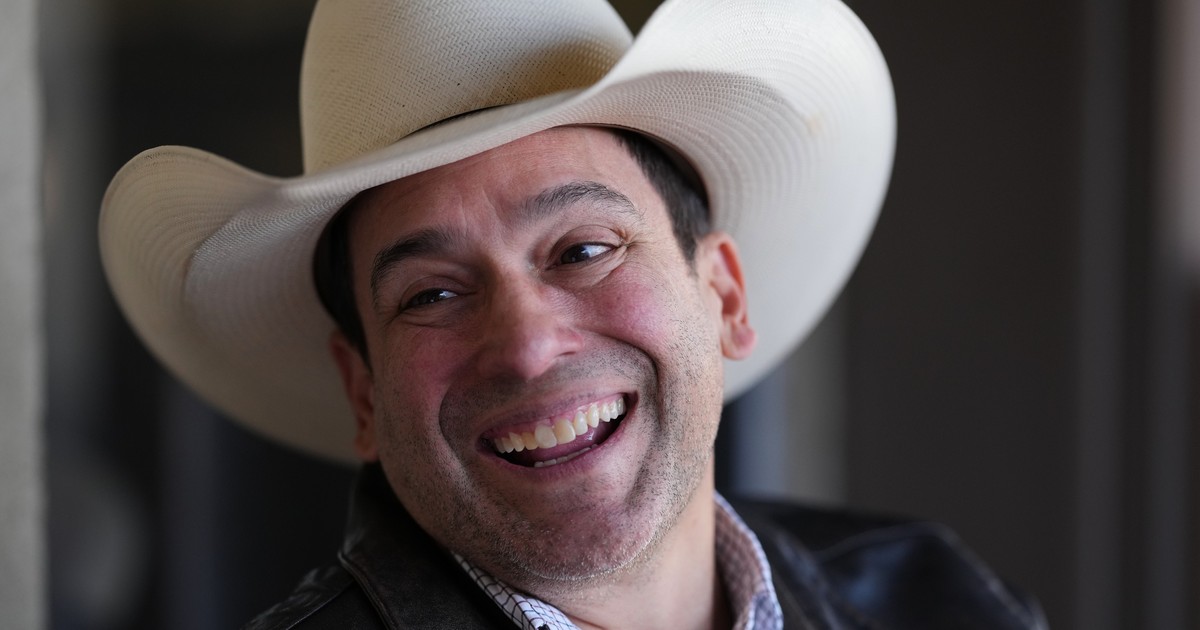
Bobby Pulido’s old, out-of-touch remarks have reappeared amid fresh controversy, raising questions about judgment and priorities as new allegations swirl around the Texas Democrat.
Bobby Pulido, who recently drew attention for bragging about getting a sex-offender released from jail, is back in the headlines as an old newspaper clipping resurfaces. The piece paints him as someone detached from routine life, and critics say that detachment now looks troubling next to the new accusations against him. Voters are hearing the same themes: privilege, poor judgment, and a tone-deaf persona from a candidate asking for trust.
A Mexican newspaper clipping from 2010 ran under the headline “Bobby Pulido: Doesn’t Go Shopping.” That line has been replayed across social feeds and conservative circles as evidence that Pulido saw himself above everyday errands. The original translation included blunt language about his habits and priorities that many find jarring in a would-be public servant.
https://x.com/maxpcohen/status/2066512128882708569?ref_src=twsrc%5Etfw
“While he was in college, Bobby Pulido set foot in a supermarket on occasion — but since his career began 15 years ago, he hasn’t stopped in one since,” a translation of the article read. “’El Golden Boy’ notes that he doesn’t have time to deal with the running of his household. ‘I don’t have the time; I’ve never gone to the supermarket to shop…well, very rarely. When I was in college I did go, but ever since I started singing, not anymore.’”
That quote alone would be awkward coming from any candidate, but it takes on new weight when paired with recent revelations about his behavior. The man who admitted to arranging for a sex-offender to be freed now faces criticism that goes beyond policy and into basic character. This mix of privilege and questionable choices is exactly what opponents highlight when pushing voters to think twice.
Pulido’s campaign language hasn’t helped calm nerves. His issues page talks about everyday costs “in the grocery store when we buy fajitas, milk and eggs,” which reads like an attempt to connect while also revealing how little day-to-day chores figure into his life. “In the Valley and across South Texas, the economy we care about is not a bunch of numbers and letters flashing on a board on Wall Street,” the opening paragraph reads. “It’s in our pockets, at the pump, in the grocery store when we buy fajitas, milk and eggs – and for some it’s when they have to choose between paying the rent or for their health insurance.”
That messaging rings hollow next to accounts that Pulido used his influence to help an alleged offender in his band, described in reporting as his sex-offender accordionist, get out of jail. Critics argue that actions speak louder than campaign prose, and arranging favors for friends or bandmates isn’t the same as representing working families. For Republicans watching this unfold, it’s a clear example of why character matters as much as policy.
The resurfaced clipping and the string of allegations also include disturbing behavior reported elsewhere, including mocking post-partum female genitals and publicly supporting policies that critics say would let men into daughters’ restrooms. Those incidents feed a larger narrative that Pulido is out of step with mainstream concerns about safety and decency. Opponents are seizing on these episodes to make the case that the candidate’s instincts and priorities are misaligned with voters.
Beyond personal scandal, there’s a practical concern: can voters trust someone who brags about influence and admits to avoiding ordinary responsibilities to handle the serious duties of office? Republicans are framing this as an accountability issue, arguing that public life requires common-sense judgment and respect for community standards. Pulido’s past statements and recent controversies give that argument fuel.
As this story continues to spread, the debate will center on whether voters weigh a candidate’s cultural fit and character as heavily as their policy positions. For many conservative voters, actions like helping an alleged offender and mocking vulnerable people aren’t side notes; they’re disqualifying. The resurfaced comments are less a nostalgic curiosity than a reminder to look closely at who seeks power and what they value.